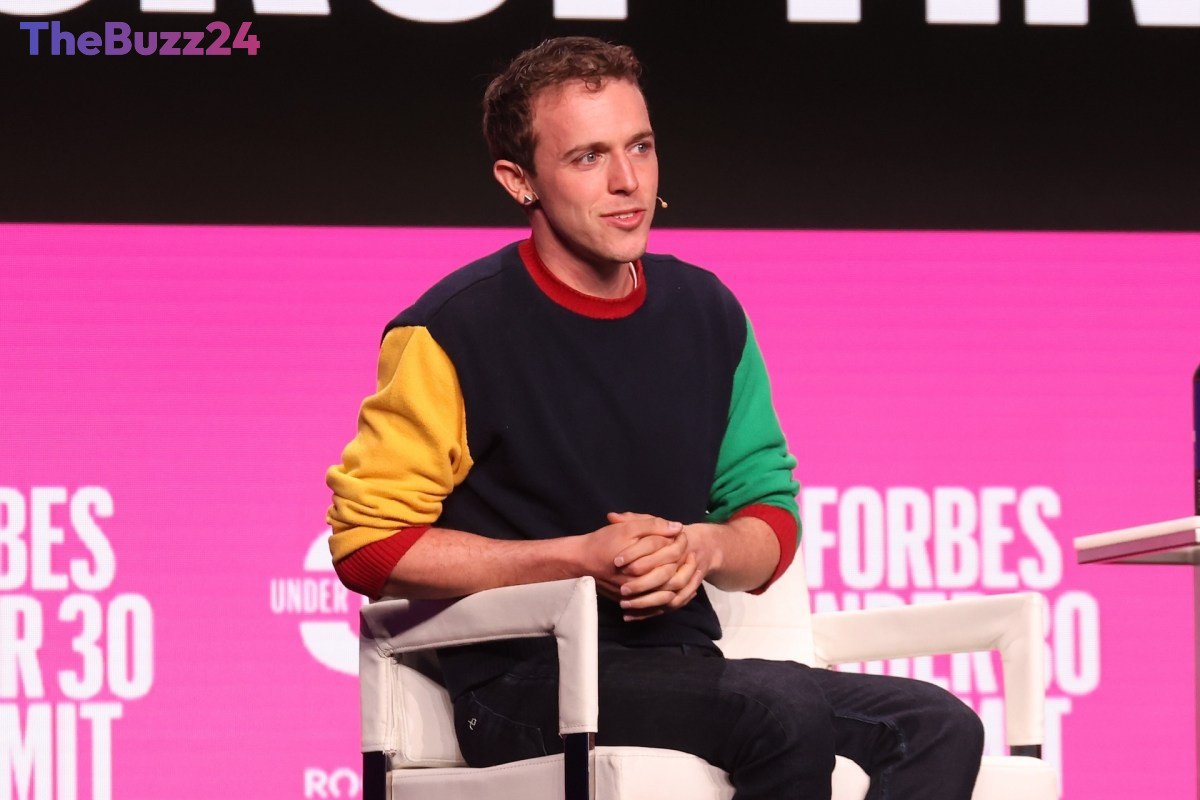
Bolt Founder Ryan Breslow Bets Big on Survival with $27M ‘Pay-to-Play’ Funding Round
Ryan Breslow, the co-founder of checkout processing startup Bolt, is spearheading a critical fundraising effort to secure the company’s future. Breslow, who controversially returned as CEO last year, is aiming to raise up to $27 million in a bridge financing round. This short-term capital infusion is designed to keep Bolt operational until it can secure a more substantial Series E2 funding round.
The funding strategy includes a unique and potentially contentious “pay-to-play” clause. This provision incentivizes existing investors to participate by threatening a significant dilution of equity for those who opt out. Breslow himself is demonstrating strong conviction by personally committing $5 million to the round, signaling his belief in Bolt’s potential for recovery and future success.
Bolt, once valued at $11 billion in early 2022, experienced a dramatic valuation drop to $300 million, a 97% decline. The company is now navigating a challenging period, with Breslow stating the new financing will help capitalize on recent operational achievements, settle outstanding obligations, and facilitate a smooth transition towards the larger Series E2 round. While the exact nature of these “legacy obligations” remains undisclosed, the move suggests a critical juncture for the decade-old startup.
Breslow asserts that Bolt is nearing profitability and experiencing revenue growth after a period of decline. He attributes the company’s current operational efficiency and rapid development to the integration of artificial intelligence, claiming a tenfold increase in productivity. Despite a significant reduction in workforce from 900 employees in 2021 to approximately 60 today, Breslow believes Bolt’s unique technology and market position, particularly its “super app” offering integrated financial services, crypto, and payments, provide a defensible advantage that cannot be easily replicated.
Key Takeaways
- Bolt is seeking up to $27 million in a bridge financing round, led by CEO Ryan Breslow, to ensure its continued operation.
- The funding round features a 'pay-to-play' provision, requiring investors to participate or risk significant equity loss.
- Despite past valuation struggles, CEO Ryan Breslow expresses strong confidence in Bolt's recovery, citing AI advancements and a unique product offering.
Editor’s Analysis & Impact
This bridge round represents a high-stakes gamble for Bolt and its founder, Ryan Breslow. The ‘pay-to-play’ structure underscores the urgency and potential desperation to secure capital, while also highlighting the deep divisions that may exist among investors. Breslow’s personal investment and strong rhetoric suggest a belief that Bolt can still carve out a significant niche, potentially as a challenger to established players like Stripe. The company’s reliance on AI for efficiency gains is a common narrative among tech startups, but Bolt’s ability to translate this into sustainable profitability and a successful Series E2 round will be the ultimate test of its survival strategy. The market will be watching closely to see if this maneuver can indeed save the ‘fallen unicorn’ or if it merely delays the inevitable.
Frequently Asked Questions
Q: What is a bridge financing round?
A: A bridge financing round is a type of short-term funding that companies, particularly startups, use to cover operational costs and bridge the gap between major funding rounds. It's often used when a company needs additional capital to reach specific milestones or profitability before securing a larger investment.
Q: What does 'pay-to-play' mean in a funding round?
A: In a 'pay-to-play' funding round, existing investors are given the option to invest more capital. If they choose not to participate, they may face penalties, such as a significant reduction in their ownership stake (equity dilution) in the company. This mechanism encourages existing investors to reinvest.
Q: What is Bolt's 'super app'?
A: Bolt's 'super app' is a product introduced by the company that aims to consolidate various financial services, including peer-to-peer payments, cryptocurrency transactions, and credit card processing, into a single, seamless one-click checkout experience.
AI Disclosure: This article is based on verified data and official reports. Our Team and AI have cross-referenced every financial detail with primary sources to ensure total accuracy.
More from this Category