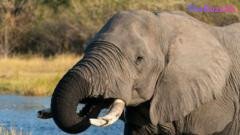
Botswana Faces Backlash Over Culling 23 Elephants for Diamond Jubilee Celebrations
Animal welfare advocates and conservation groups have sharply criticized the government of Botswana following the authorization to kill 23 elephants to supply meat for nationwide independence festivities. The southern African nation, which hosts the globe’s largest elephant population, organized extensive celebrations to mark its 60th anniversary of independence from Britain, featuring carnivals, cultural performances, and traditional feasts where the game meat was distributed.
According to official licensing documents issued by the Ministry of Environment and Tourism, the specialized hunt spanned eight districts to provide complimentary provisions for the public. However, local conservationists and regional organizations have warned that utilizing protected wildlife for celebratory consumption risks undermining long-term preservation efforts. Critics argue that sanctioning the slaughter of these animals for festivities normalizes killing and could inadvertently fuel illegal poaching activities by blurring the lines of lawful wildlife interaction. Additionally, community health concerns were raised regarding the distribution of game meat amidst ongoing regional measures to contain foot-and-mouth disease outbreaks.
The decision has once again ignited intense domestic debate regarding how Botswana balances its massive elephant population—estimated at over 130,000—with the economic and social realities of rural communities. While local residents frequently grapple with human-wildlife conflict, including crop destruction and infrastructure damage, critics pointed out logistical flaws in the meat distribution process. Images shared online depicted chaotic scenes of citizens gathering directly around carcasses with knives, prompting calls from local leadership for more structured, hygienic packaging and distribution methods in future events.
Government officials have consistently defended regulated hunting programs as a vital tool for managing population densities, mitigating human-wildlife friction, and generating essential revenue for local development. Past parliamentary data indicated that special wildlife quotas generated millions of pula for community projects in affected regions. Despite these economic defenses, the friction between preserving iconic wildlife and satisfying the immediate demands of rural development remains a central challenge for the nation’s administration.
Key Takeaways
- Botswana authorized the hunting of 23 elephants to provide meat for its 60th independence anniversary celebrations.
- Conservationists and animal rights groups warn the culling sets a dangerous precedent and could encourage poaching.
- The decision highlights ongoing tensions between managing a massive elephant population and addressing human-wildlife conflict in rural communities.
Editor’s Analysis & Impact
The controversy in Botswana underscores the delicate economic and ecological balancing act required in regions managing massive megafauna populations. While the government views regulated hunting and quota distribution as a pragmatic mechanism to fund local development and placate rural communities suffering from crop damage, conservationists argue that using protected species for festive consumption damages international optics and conservation messaging. Moving forward, the African tourism and conservation sectors will need to innovate more sustainable community-incentive programs that do not rely on the physical culling of iconic species. The logistical failures in meat distribution also point to a broader need for modernization in handling game meat allocations to ensure public health safety and orderly civic participation.
Frequently Asked Questions
Q: Why did Botswana authorize the killing of 23 elephants?
A: The government authorized the hunt to provide game meat for traditional feasts during the country's 60th independence anniversary celebrations.
Q: How many elephants live in Botswana?
A: Botswana is home to the world's largest elephant population, boasting more than 130,000 of the animals.
Q: What are the primary arguments in favor of regulated hunting in Botswana?
A: Supporters argue that hunting helps manage the overpopulation of elephants, mitigates human-wildlife conflict such as crop destruction, and generates vital financial revenue for rural community development.
AI Disclosure: This article is based on verified data and official reports. Our Team and AI have cross-referenced every financial detail with primary sources to ensure total accuracy.
More from this Category