California AG Demands Structural Changes to Approve Paramount-Warner Bros. Discovery Merger
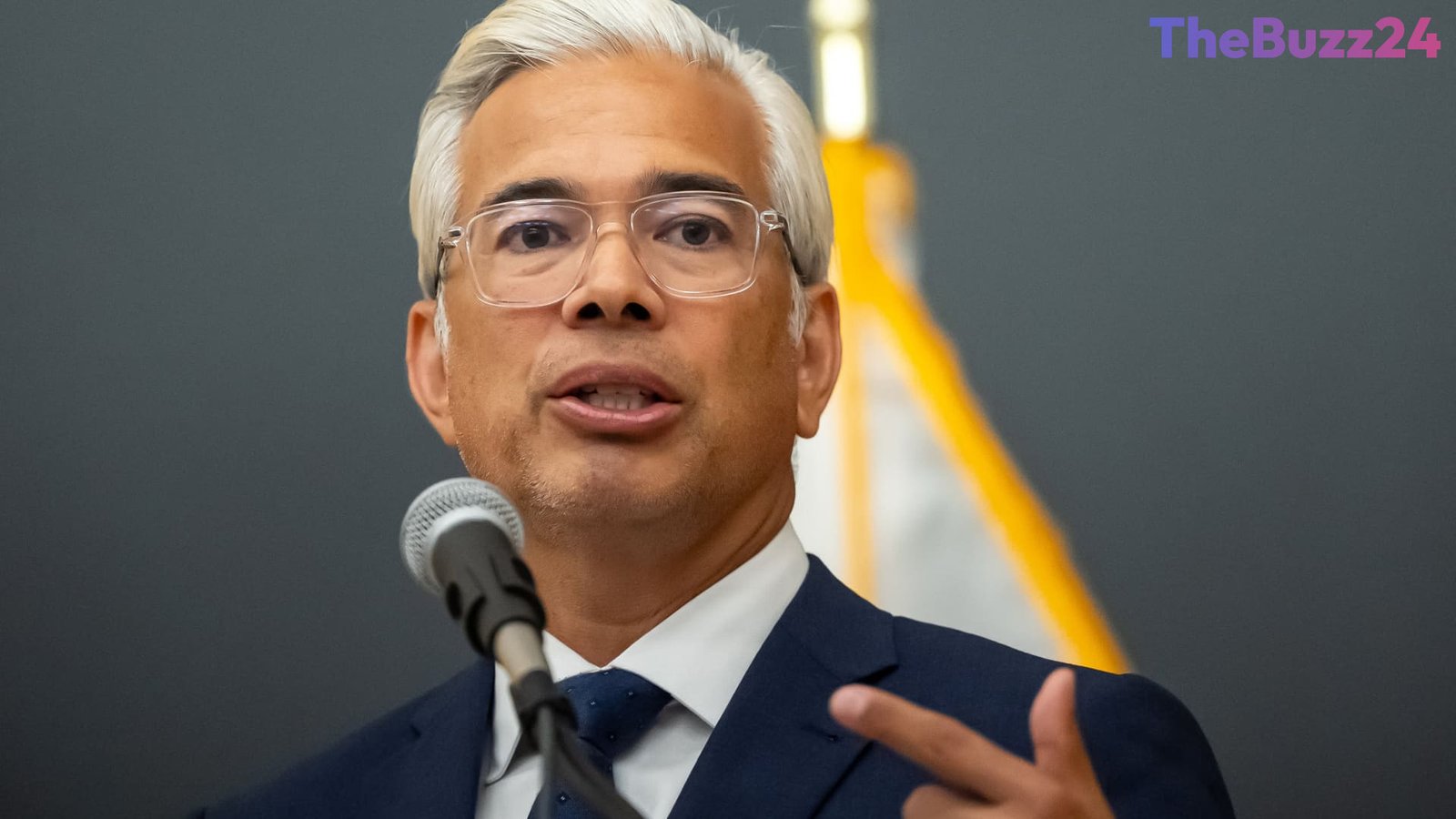
California Attorney General Rob Bonta has signaled that a potential settlement regarding the proposed merger between Paramount and Warner Bros. Discovery will only be considered if the companies agree to ‘robust structural remedies.’ Bonta, leading a coalition of 12 states, maintains that the current antitrust lawsuit is a straightforward legal challenge based on the Clayton Antitrust Act, aimed at preventing illegal market concentration in the film and television sectors.
The lawsuit, filed in July, argues that the combined entity would exert excessive control over nearly one-third of the film industry and a significant portion of basic cable programming. While Paramount has expressed a desire to discuss the deal, Bonta noted that the company has previously attempted to steer conversations toward streaming and foreign regulatory issues rather than the specific antitrust concerns outlined in the states’ complaint. Despite these tensions, Bonta indicated an openness to boardroom negotiations, provided the company addresses the core allegations.
Paramount has consistently defended the transaction, labeling the states’ legal challenge as a misunderstanding of modern media competition. The company has prepared for a lengthy legal battle, with trial proceedings currently scheduled for March. While Paramount has pushed back its expected closing date for the acquisition to as late as June 2027, leadership remains confident in the deal’s ultimate success, even suggesting they are prepared to escalate the matter to the Supreme Court if necessary.
Key Takeaways
- A coalition of 12 state attorneys general is suing to block the Paramount and Warner Bros. Discovery merger, citing antitrust concerns.
- California AG Rob Bonta insists that any settlement must include 'robust structural remedies' to address market concentration.
- The legal dispute centers on the Clayton Antitrust Act, with a trial date set for March 2025.
Editor’s Analysis & Impact
The standoff between state regulators and media giants Paramount and Warner Bros. Discovery highlights a growing trend of aggressive antitrust enforcement in the entertainment sector. By focusing on the Clayton Act, regulators are signaling that traditional media consolidation—even in a landscape shifting toward streaming—remains a high-priority target for oversight. If the states successfully force structural divestitures, it could set a precedent for future media mergers, potentially discouraging large-scale consolidation. Conversely, if Paramount prevails, it would validate the industry’s argument that traditional market definitions are obsolete in the age of global streaming competition. The outcome of this case will likely dictate the pace and feasibility of future M&A activity within the legacy media landscape, as companies struggle to achieve scale while facing heightened regulatory scrutiny.
Frequently Asked Questions
Q: Why are state attorneys general suing to block the Paramount-Warner Bros. Discovery merger?
A: The states argue that the merger would create an illegal market concentration, giving the combined company control over nearly one-third of the film and basic cable television markets.
Q: What does 'robust structural remedies' mean in this context?
A: It refers to significant, permanent changes to the company's structure, such as selling off specific assets or business units, to ensure that the merger does not result in a monopoly or unfair competitive advantage.
AI Disclosure: This article is based on verified data and official reports. Our Team and AI have cross-referenced every financial detail with primary sources to ensure total accuracy.
More from this Category