Cameroon’s Anglophone Crisis: A Decade of Shattered Lives and Unhealed Wounds
A brutal conflict simmering for nearly a decade in Cameroon’s English-speaking regions has left a trail of devastation, shattering lives and forcing hundreds of thousands to flee their homes. What began as peaceful protests against alleged marginalization by the French-speaking government has escalated into a protracted and violent struggle, with both state forces and separatist groups accused of serious human rights abuses.
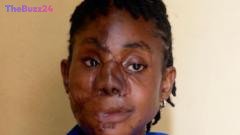
One harrowing account comes from Median, now 23, who survived a brutal attack in her family’s compound. Woken by gunfire, she attempted to flee but was shot twice at close range, sustaining severe injuries to her thigh and face. The attack left her jawbone damaged, most of her teeth destroyed, and her mouth severely injured. For eight years, she relied on a tracheostomy tube to breathe, undergoing multiple reconstructive surgeries in Cameroon, Ghana, and India. Her story is a stark illustration of the personal toll of the Anglophone crisis, which has seen widespread violence, displacement, and disruption of essential services.
The conflict, which ignited in October 2016, saw initial protests by lawyers and teachers evolve into an armed separatist movement seeking independence for the Northwest and Southwest regions. By 2017, numerous armed groups had emerged, leading to a brutal confrontation with government forces. Human rights organizations have documented widespread atrocities, including targeted killings, kidnappings, torture, and attacks on civilian infrastructure by separatists, while government forces face allegations of arbitrary arrests, detention, and unlawful killings. The United Nations estimates that nearly half a million people have been displaced, and thousands have lost their lives.
Beyond the immediate violence, the crisis has had a profound impact on education and livelihoods. Thousands of children have been forced out of school due to separatist-imposed boycotts and the general insecurity. Many families, like Glory Akom, have been forced to seek refuge in neighboring Nigeria, relying on meager humanitarian aid to survive. Despite government initiatives aimed at fostering dialogue and encouraging fighters to disarm, the path to lasting peace remains uncertain, with survivors like Median striving to rebuild their lives amidst the lingering trauma and the ongoing struggle for normalcy.
Key Takeaways
- Cameroon's Anglophone crisis, ongoing since 2016, has resulted in widespread violence, displacement, and severe human rights abuses by both state forces and separatist groups.
- Survivors like Median face life-altering injuries and long-term medical needs, while thousands of children are out of school due to the conflict.
- Despite government efforts to promote dialogue and reintegration, the conflict's root causes remain largely unaddressed, hindering prospects for lasting peace.
Editor’s Analysis & Impact
The prolonged Anglophone crisis in Cameroon highlights the devastating consequences of unresolved ethnic and political grievances. The conflict’s persistence, despite international attention and various peace initiatives, underscores the deep-seated nature of the issues and the challenges in achieving reconciliation. The widespread displacement and disruption of education point to a generation at risk, with long-term implications for the nation’s development. For lasting peace, a comprehensive approach addressing the underlying causes of marginalization and ensuring accountability for abuses on all sides is crucial. The international community’s role in facilitating genuine dialogue and supporting reconstruction efforts will be vital in helping Cameroon navigate towards stability and recovery.
Frequently Asked Questions
Q: What triggered the Anglophone crisis in Cameroon?
A: The crisis began in October 2016 with protests by lawyers and teachers in the English-speaking Northwest and Southwest regions against the perceived marginalization by the French-speaking government, particularly concerning the appointment of French-speaking judges and teachers.
Q: What are the main consequences of the conflict?
A: The conflict has led to widespread violence, thousands of deaths, mass displacement of nearly half a million people, severe disruption of education, and significant human rights abuses documented by various organizations against both government forces and separatist fighters.
Q: What efforts are being made to resolve the conflict?
A: The Cameroonian government has launched community dialogue initiatives and established Disarmament, Demobilization, and Reintegration (DDR) centers for former fighters. However, past initiatives have had limited success, and analysts suggest the government needs to better address the core grievances driving the conflict.
AI Disclosure: This article is based on verified data and official reports. Our Team and AI have cross-referenced every financial detail with primary sources to ensure total accuracy.
More from this Category