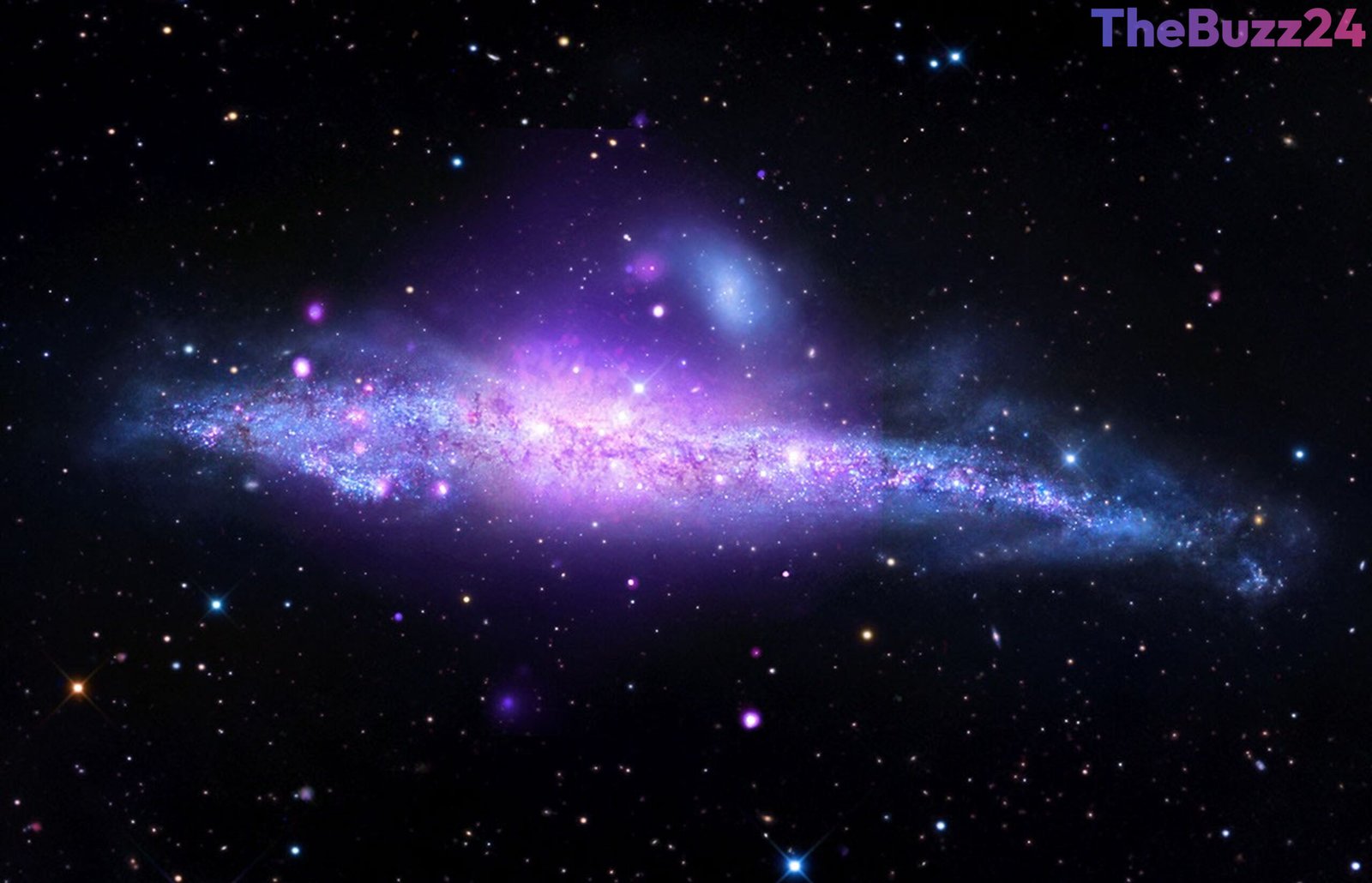
Chandra X-ray Observatory Illuminates the Universe’s Galactic Tapestry
The cosmos is adorned with galaxies, each a unique celestial entity defined by its size, shape, and evolutionary history. A captivating new gallery, compiled from observations by the Chandra X-ray Observatory and an array of other advanced telescopes, offers an unprecedented look at this galactic diversity.
Astronomers typically classify galaxies into three primary categories: spirals, characterized by their distinct arms emanating from a central core, much like our own Milky Way; ellipticals, which are generally older and often the result of galactic mergers; and irregulars, a broad category encompassing a wide range of less structured galactic phenomena. This latest collection proudly showcases examples from all these types, providing a comprehensive visual journey through the universe’s varied galactic forms.
Each of the 16 stunning images in the gallery is a mosaic of multi-wavelength data. Crucially, they integrate high-energy X-ray observations from Chandra, collected over decades, with data from other prominent space and ground-based observatories. These include NASA’s James Webb Space Telescope, Hubble Space Telescope, the Imaging X-ray Polarimetry Explorer (IXPE), the Neil Gehrels Swift Observatory, and the Nuclear Spectroscopic Telescope Array (NuSTAR). This combined approach allows scientists to piece together a more complete picture of galactic life, interaction, and evolution.
X-rays are indispensable for studying galaxies, as they unveil phenomena invisible in other light spectra. Chandra’s observations highlight gas superheated to millions of degrees by stellar winds, powerful outflows from supermassive black holes, and the debris left behind by exploded stars. These energetic processes are fundamental to understanding how galaxies grow, how elements essential for life are forged and dispersed, and ultimately, our own place within the vast cosmic expanse. By examining these ‘cosmic gems,’ we gain profound insights into the past and future of our home galaxy and the universe at large.
Key Takeaways
- The Chandra X-ray Observatory has released a new gallery featuring 16 multi-wavelength images showcasing the diverse forms of galaxies.
- Each image combines Chandra's X-ray data with observations from other major telescopes like Webb, Hubble, and IXPE, providing comprehensive views of galactic phenomena.
- The gallery offers crucial insights into galaxy evolution, star formation, black hole activity, and the distribution of elements essential for life throughout the universe.
Editor’s Analysis & Impact
This new gallery from the Chandra X-ray Observatory underscores the critical role of multi-wavelength astronomy in unraveling the universe’s complexities. By integrating X-ray data with optical and infrared observations, scientists gain a comprehensive view of galactic processes, from the dynamics of supermassive black holes to intense star formation and galaxy mergers. This approach is vital for understanding how galaxies evolve, how elements are dispersed, and the ultimate fate of cosmic structures. The future of astronomy will increasingly rely on such synergistic observations, pushing the boundaries of our knowledge and offering unprecedented insights into the universe’s past, present, and future.
Frequently Asked Questions
Q: What is the Chandra X-ray Observatory?
A: The Chandra X-ray Observatory is a NASA telescope designed to detect X-ray emissions from very hot regions of the universe, such as exploded stars, clusters of galaxies, and matter around black holes.
Q: Why is X-ray data important for studying galaxies?
A: X-ray data reveals high-energy phenomena invisible to optical telescopes, such as superheated gas, powerful outflows from black holes, and the remnants of supernovae. This information is crucial for understanding the most energetic processes that shape galaxies and distribute heavy elements throughout the cosmos.
Q: What types of galaxies are featured in the new gallery?
A: The gallery features all three main categories of galaxies: spirals (like our Milky Way), ellipticals (often older and formed from mergers), and irregular galaxies, showcasing the vast diversity of galactic structures and evolutionary stages.
AI Disclosure: This article is based on verified data and official reports. Our Team and AI have cross-referenced every financial detail with primary sources to ensure total accuracy.
More from this Category