China Curbs Public Mourning for Reform-Era Premier Zhu Rongji, Highlighting Generational Divide
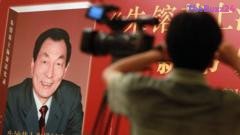
China has officially marked the passing of former Premier Zhu Rongji, who died last week at the age of 97, with a low-key funeral in Beijing. Flags at government sites flew at half-mast, and security presence was notable in the capital, reflecting the state’s careful management of public sentiment surrounding the death of a significant reformist leader. The ceremony, attended by senior figures including President Xi Jinping, was notably subdued, with no public footage released.
Zhu Rongji, who served as China’s premier from 1998 to 2003, is widely remembered as a pivotal architect of the nation’s economic transformation. His tenure saw China push through profound changes, including the shuttering of unprofitable state-owned enterprises, the overhaul of the housing system, and the country’s landmark entry into the World Trade Organization in 2001. Alongside former President Jiang Zemin, Zhu was known for a distinctive, candid style that resonated with the public, often employing direct language and even humor, a stark contrast to the more controlled communication prevalent today.
Despite official tributes hailing Zhu as a “loyal Communist fighter,” the state has actively contained public expressions of mourning and nostalgia for his era. Online posts and essays reflecting on Zhu’s time, including one by economist Zhao Jian that described a period of “properly poor” but hopeful living, were swiftly removed from platforms like WeChat. This censorship underscores the Communist Party’s long-standing apprehension that public grief for past leaders could evolve into veiled criticism of current governance, a concern rooted in historical events such as the widespread protests following the deaths of Zhou Enlai in 1976 and Hu Yaobang in 1989.
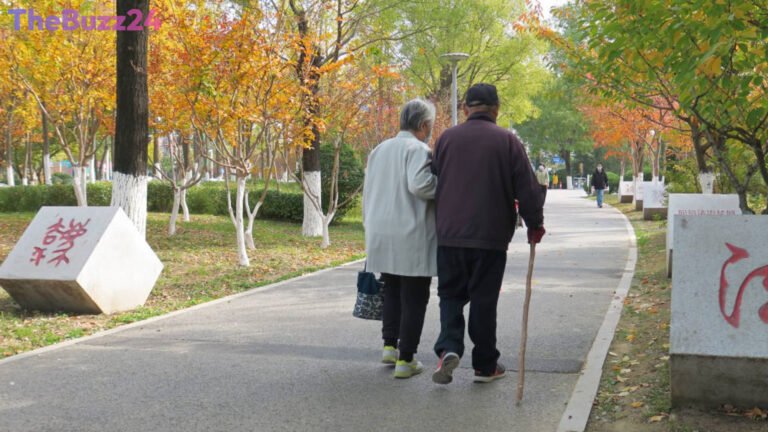
The passing of Zhu Rongji, following that of Jiang Zemin in 2022, marks a definitive end to an era characterized by rapid economic liberalization and a perceived openness to the world. This contrasts sharply with President Xi Jinping’s current focus on greater central control, state-driven economic policies, and technological autonomy. As China grapples with significant challenges like slowing economic growth, high youth unemployment, and a property market downturn, the nostalgia for Zhu’s era reflects a yearning among many Chinese for a time when hard work seemingly guaranteed a better future—a certainty that, for some, has diminished amidst contemporary uncertainties.
Key Takeaways
- China officially mourned former Premier Zhu Rongji, a key economic reformist, with a low-key ceremony and heightened security.
- Public expressions of grief and nostalgia for Zhu's era of reform and candid leadership have been actively censored online.
- The controlled mourning highlights the current leadership's efforts to manage historical narratives and maintain stability amidst contemporary economic challenges and a shift away from past reformist policies.
Editor’s Analysis & Impact
The controlled public mourning for former Premier Zhu Rongji underscores a significant ideological and economic shift within China. His era represented a period of bold market-oriented reforms and a more open, albeit still authoritarian, leadership style. The current administration’s suppression of public nostalgia for this period signals a continued commitment to a state-centric economic model and tighter ideological control, potentially impacting foreign investment and the private sector. This dynamic suggests a future where stability and party-defined narratives take precedence over individual expression and market liberalization. The underlying public sentiment, as evidenced by the censored online discussions, reveals a growing disconnect between official narratives and the lived experiences of many Chinese citizens facing economic uncertainties. This could pose long-term challenges for social cohesion and governance.
Frequently Asked Questions
Q: Who was Zhu Rongji and what was his significance?
A: Zhu Rongji served as China's Premier from 1998 to 2003 and is widely regarded as one of the country's most important economic reformers. He oversaw significant changes, including the dismantling of state firms, housing system reforms, and China's landmark entry into the World Trade Organization.
Q: Why is public mourning for Zhu Rongji being censored?
A: The Chinese government is wary that public mourning for reform-era leaders like Zhu Rongji can easily turn into veiled criticisms of the current administration and its policies. Historically, public outpourings of grief for senior officials have sometimes escalated into protests, which the Communist Party seeks to prevent.
Q: How does Zhu Rongji's era contrast with current Chinese leadership?
A: Zhu Rongji's premiership was characterized by rapid economic liberalization, an emphasis on private entrepreneurship, and a more candid leadership style. In contrast, President Xi Jinping's era emphasizes greater central control, state-driven economic policies focused on technological autonomy, and a more carefully choreographed public image, alongside a unified historical narrative.
AI Disclosure: This article is based on verified data and official reports. Our Team and AI have cross-referenced every financial detail with primary sources to ensure total accuracy.
More from this Category