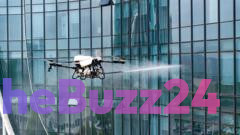
China’s Capital Grounds Drone Sales Amid Tightening Security Measures
Beijing has implemented stringent new regulations, effectively banning the sale, rental, and import of drones and their key components within the Chinese capital. The comprehensive measures also mandate that all drone owners register their devices with local police, marking a significant escalation in the nation’s oversight of unmanned aerial vehicles. These restrictions are primarily driven by escalating public safety and security concerns, transforming the operational landscape for drone enthusiasts and businesses alike.
This latest move follows a trend of increasingly tight controls on drone usage across China in recent years. While the country champions the “low-altitude economy”—a strategic sector encompassing drones and flying taxis projected to exceed two trillion yuan ($290 billion) by 2035—it simultaneously presents one of the most challenging environments globally for drone operation. Existing rules already require prior approval for outdoor flights in Beijing, online training, and a passing grade on regulatory tests, alongside strict registration protocols for devices entering or leaving the city.
The sweeping restrictions, which were approved in March, are poised to significantly disrupt China’s vast drone sector, which boasts over three million registered devices. Major manufacturers, including DJI, the world’s largest drone maker, are directly impacted, with reports indicating that DJI stores in Beijing are already removing drones and related products from their shelves. Officials from the Beijing Municipal People’s Congress have articulated the goal as achieving an optimal balance between ensuring public safety in low-altitude airspace and fostering technological and economic advancement, though exceptions exist for approved uses such as counter-terrorism and disaster relief.
Key Takeaways
- Beijing has banned the sale, rental, and import of drones and components, requiring mandatory registration for existing owners.
- The new rules are part of China's broader tightening of drone regulations, despite the country's strategic focus on the "low-altitude economy."
- The restrictions are expected to significantly impact China's large drone industry, including major players like DJI, due to heightened security concerns.
Editor’s Analysis & Impact
Beijing’s stringent new drone regulations signal a significant shift in China’s approach to managing emerging technologies, prioritizing national security over unfettered market growth. For the domestic drone industry, particularly consumer and commercial segments in the capital, this represents a substantial hurdle, potentially leading to reduced sales and operational complexities. While China aims to lead the “low-altitude economy,” these restrictions could paradoxically stifle innovation in civilian applications, pushing manufacturers like DJI to focus more on export markets or government-approved uses. The move also sets a precedent that other Chinese cities might adopt, creating a fragmented regulatory landscape. Globally, it underscores the increasing challenge of balancing technological advancement with security concerns, potentially influencing how other nations approach drone governance and urban airspace management.
Frequently Asked Questions
Q: Why is China implementing these strict drone regulations?
A: The regulations are primarily driven by public safety and national security concerns, aiming to strengthen the management of low-altitude airspace and address potential challenges posed by unregulated drone use.
Q: How will these restrictions impact the drone industry in China?
A: The restrictions are expected to significantly disrupt China's large drone sector, potentially leading to reduced sales and operational challenges for manufacturers and retailers, particularly in Beijing. Companies like DJI are already reportedly removing products from shelves.
AI Disclosure: This article is based on verified data and official reports. Our Team and AI have cross-referenced every financial detail with primary sources to ensure total accuracy.
More from this Category