Clearing Skies: Storms Expected to Improve Air Quality for World Cup Final
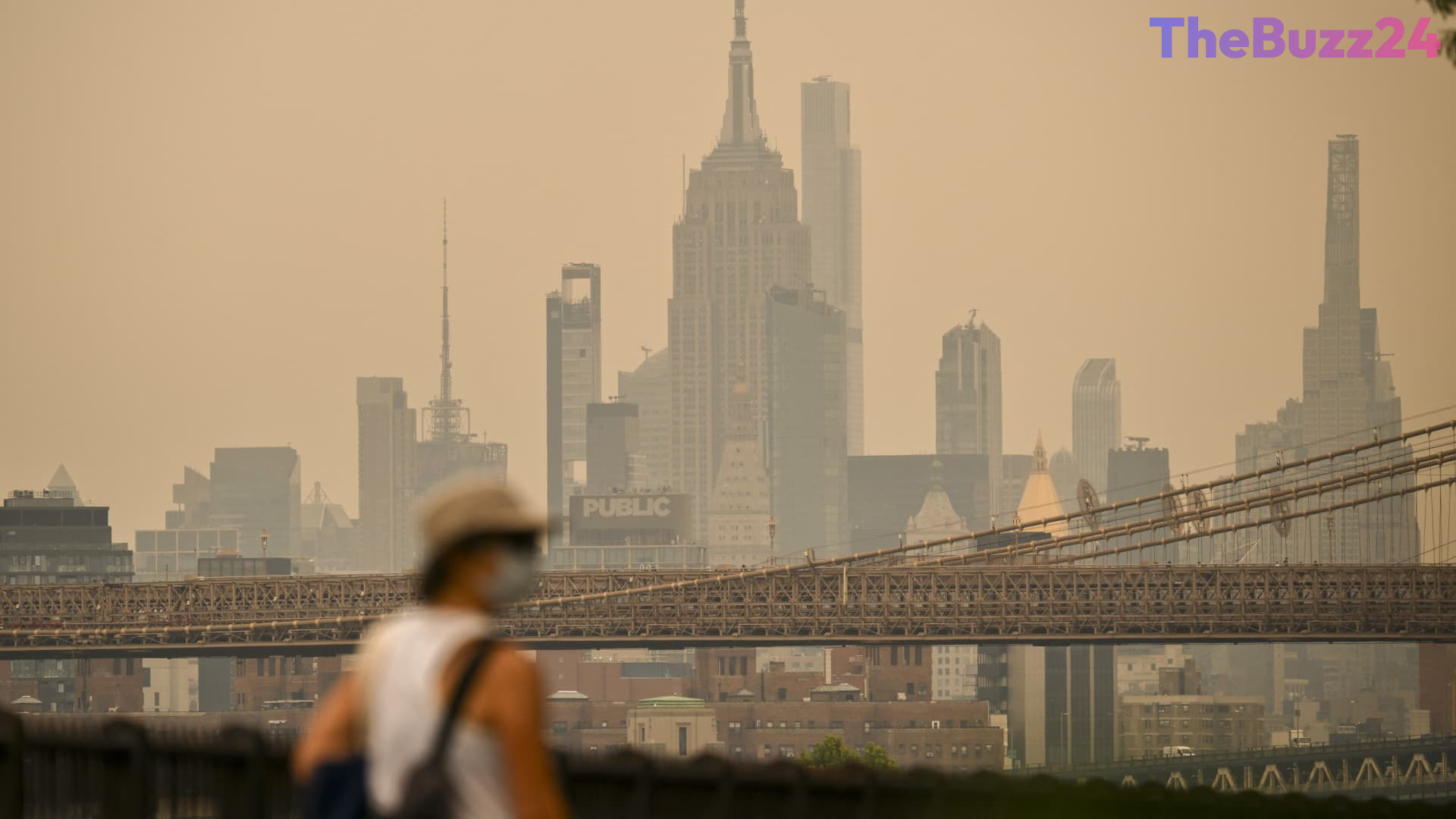
As the World Cup final approaches at the New York/New Jersey Stadium, meteorologists are forecasting a significant improvement in air quality for the Northeast. A series of thunderstorms moving through the region is expected to sweep away the thick haze caused by Canadian wildfires, which has plagued the area for several days. While some faint smoke may linger, experts anticipate that conditions will shift from unhealthy to moderate, posing little to no risk to the general public by the time the match kicks off.
The environmental shift comes as a relief to organizers and fans alike, following days of hazardous air quality readings that forced the Spanish national team to adjust their training schedule. Despite the improvement, officials continue to advise those with respiratory sensitivities to monitor local air quality indices. The forecast for the final remains favorable, with temperatures expected to hover around 80 degrees Fahrenheit under manageable humidity levels.
Beyond the immediate weather outlook, the situation has ignited a diplomatic firestorm. Political leaders have traded barbs over the source of the pollution, with threats of tariffs being leveled against Canada. Canadian officials have pushed back against these claims, emphasizing that climate change is a shared global responsibility and highlighting the history of cross-border cooperation during natural disasters. Meanwhile, the underlying cause of the crisis—a record-breaking wildfire season across Canada—continues to challenge emergency services, with hundreds of active fires still burning across multiple provinces.
Key Takeaways
- Thunderstorms are expected to clear the majority of wildfire smoke from the Northeast just in time for the World Cup final.
- Air quality is projected to improve to 'moderate' levels, significantly reducing health risks for spectators and athletes.
- The environmental crisis has sparked diplomatic tension, with U.S. officials threatening tariffs against Canada over the cross-border smoke.
Editor’s Analysis & Impact
The intersection of extreme weather events and international diplomacy highlights a growing trend where climate-related disasters are increasingly driving geopolitical friction. As wildfire seasons become more intense and prolonged due to climate change, the economic and political fallout—such as the threat of trade tariffs—demonstrates that environmental issues are no longer isolated domestic concerns. The situation at the World Cup final serves as a microcosm for the broader challenge of managing transboundary pollution. Moving forward, nations will likely face increased pressure to establish formal frameworks for climate-related disaster response and air quality management to prevent such environmental events from escalating into full-scale trade or diplomatic disputes. The reliance on meteorological forecasting to protect high-profile public events also underscores the increasing integration of climate data into urban planning and event management.
Frequently Asked Questions
Q: Will the air quality be safe for the World Cup final?
A: Meteorologists expect air quality to improve to 'moderate' levels by Sunday, which is considered safe for the general public, though sensitive individuals should remain cautious.
Q: Why are there so many wildfires in Canada this year?
A: Experts attribute the unprecedented number and intensity of the fires to the impacts of climate change, which have created conditions that allow fires to burn faster and longer.
AI Disclosure: This article is based on verified data and official reports. Our Team and AI have cross-referenced every financial detail with primary sources to ensure total accuracy.
More from this Category