Climate Shift Forces Historic Early Champagne Harvest, Threatening Iconic Flavor Profile
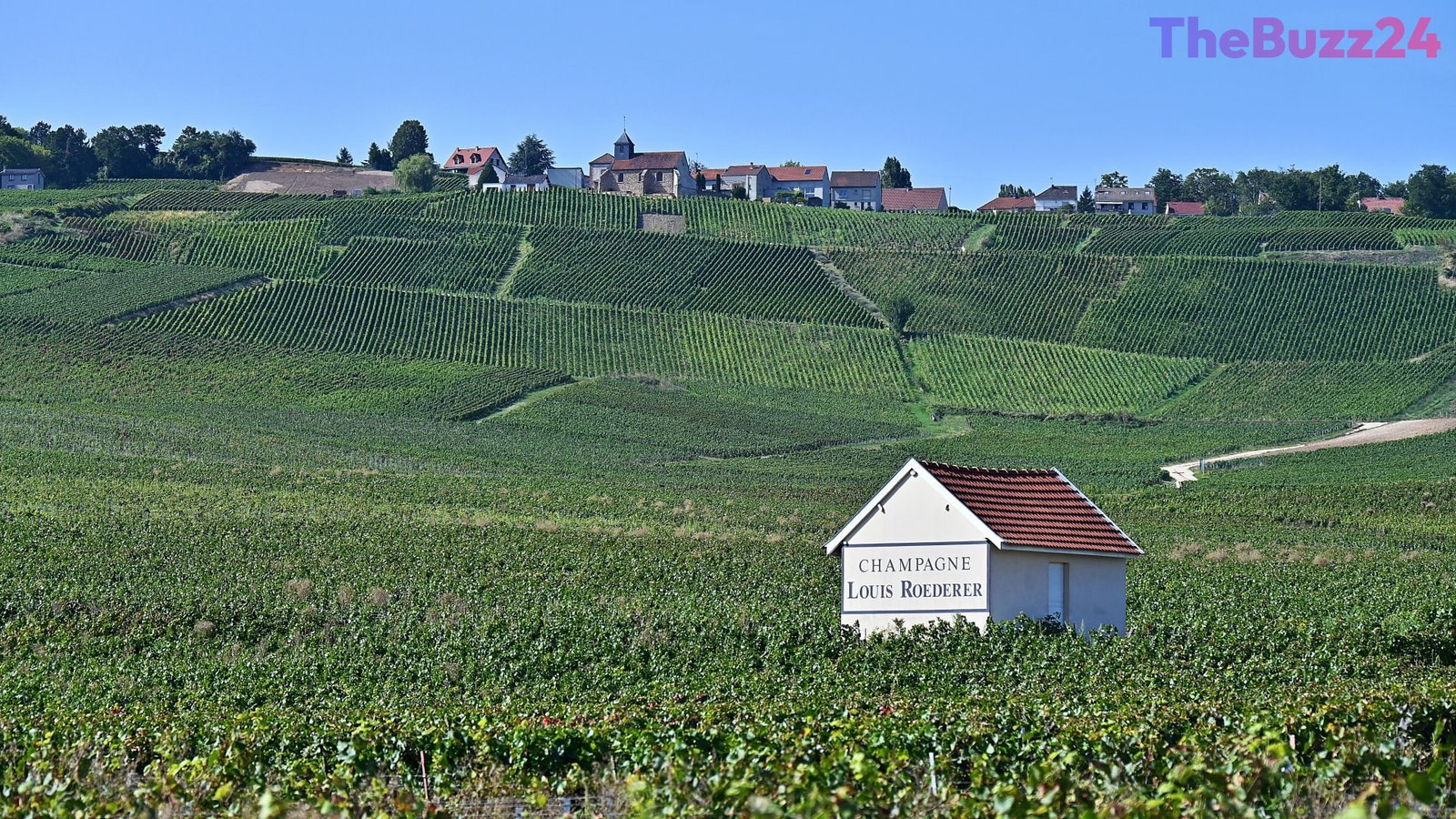
The Champagne region of France is facing its earliest harvest on record as unprecedented summer heatwaves sweep across Europe. Officially commencing in mid-August, the grape-picking window has shifted forward by nearly two weeks compared to recent years, and by more than a month compared to pre-2000 historical norms when harvests typically occurred in September or October. This rapid shift is forcing winemakers to navigate a delicate balance between rising sugar levels and the signature acidity that defines the world’s most famous sparkling wine.
High temperatures accelerate the ripening process, resulting in grapes with elevated sugar content but potentially lacking the complex phenolic ripeness and sharp acidity required for high-quality Champagne. Beyond climate pressures, producers are grappling with a complex macroeconomic landscape, including rising labor and fuel costs, shifting consumer demand, and trade tariffs in key export markets like the United States. In response, the trade association Comité Champagne has adjusted permitted yield quotas to stabilize inventories and maintain quality standards amid these challenging conditions.
To safeguard the prestigious appellation, which strictly regulates irrigation and grape varieties, producers are investing heavily in research and development, exploring insect-proof greenhouses, and testing climate-resilient grape varieties. Meanwhile, the warming climate is opening new frontiers for viticulture further north. The United Kingdom’s wine industry is experiencing a significant boom, leveraging chalky soils in southern England that mirror those of northern France. This potential has even prompted historic French houses, such as Taittinger, to acquire land in regions like Kent to establish English sparkling wine operations.
Key Takeaways
- Unprecedented summer heat has pushed the Champagne harvest to its earliest start date on record, beginning in mid-August.
- Accelerated grape ripening threatens the signature high-acidity, low-sugar flavor profile essential to traditional Champagne.
- Warming temperatures are simultaneously boosting the UK wine industry, attracting investment from major French Champagne houses like Taittinger.
Editor’s Analysis & Impact
The shifting viticultural landscape in Europe highlights a broader climate-driven disruption facing high-end luxury agricultural products. Champagne’s strict geographical appellation rules, which historically guaranteed quality and exclusivity, now act as a double-edged sword, limiting producers’ ability to adapt through traditional means like irrigation or relocation. As a result, the industry must rely heavily on rapid scientific innovation and agricultural technology to preserve its flavor profile. Concurrently, the rise of English sparkling wine represents a structural shift in the global wine market. While Champagne will likely maintain its premium status due to heritage and brand equity, the geographical boundaries of premium sparkling wine production are permanently expanding northward, creating new investment opportunities and competitive dynamics in the luxury beverage sector.
Frequently Asked Questions
Q: Why does extreme heat pose a problem for Champagne grapes?
A: Champagne relies on a slow maturation process to achieve its signature high acidity, low sugar, and delicate flavor. Extreme heat accelerates ripening, making the grapes overly sugary and reducing the acidity necessary for the wine's crisp, elegant profile.
Q: How are Champagne producers adapting to climate change?
A: Producers are establishing research centers to test climate-resilient grape varieties, experimenting with protective insect-proof greenhouses, and adjusting annual yield quotas to manage inventory quality.
Q: Why is the UK wine industry benefiting from these climate shifts?
A: Warmer temperatures and longer growing seasons are making viticulture highly viable in southern England, which features chalky soil conditions very similar to those found in the Champagne region of France.
AI Disclosure: This article is based on verified data and official reports. Our Team and AI have cross-referenced every financial detail with primary sources to ensure total accuracy.
More from this Category