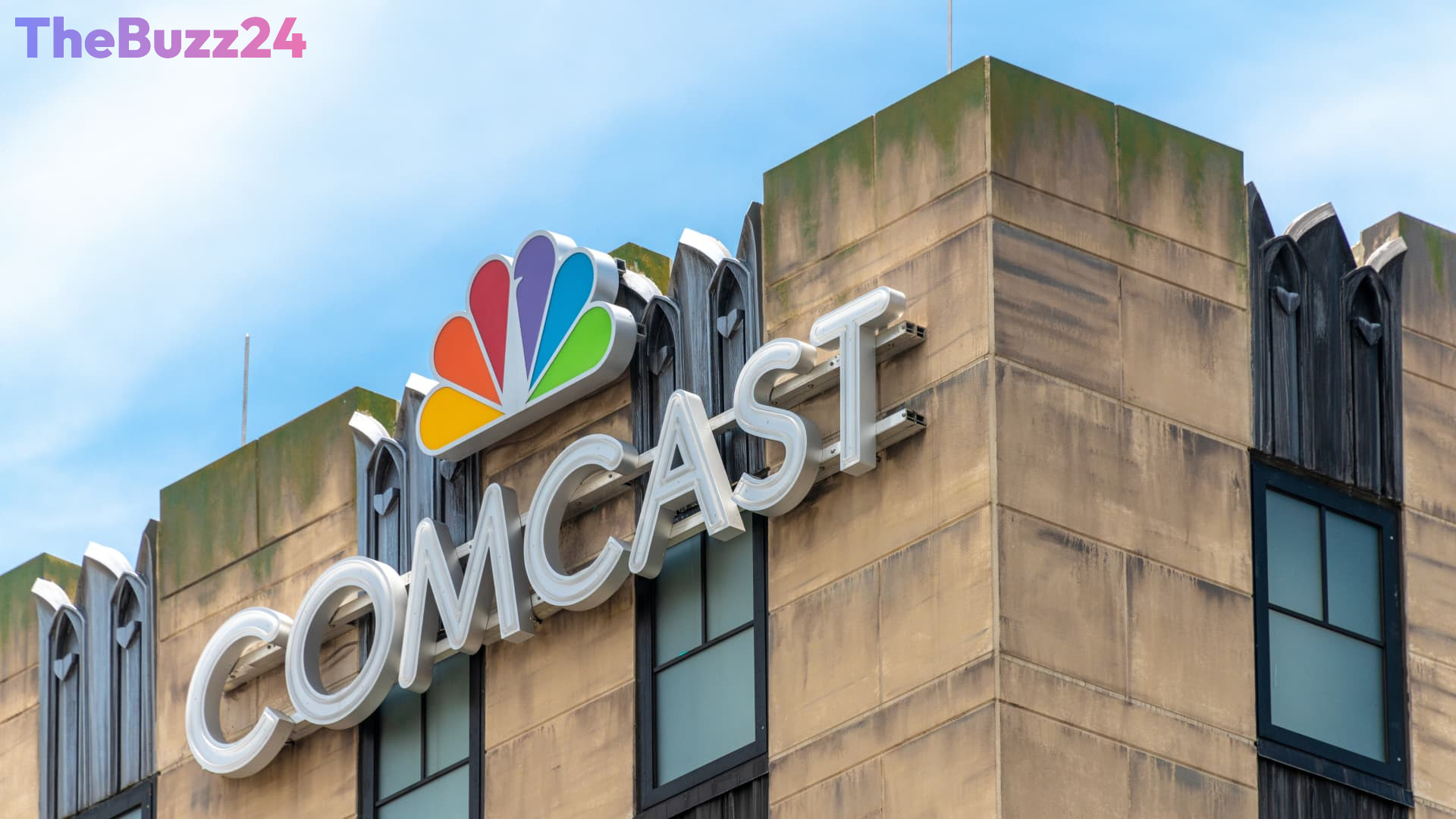
Comcast Splits Media and Broadband Arms, Sparking M&A Speculation Amid Limited Options
Comcast has announced plans to separate its NBCUniversal and Sky media divisions into a distinct, publicly traded entity. This strategic move, occurring shortly after the company spun off its cable networks into Versant, has immediately ignited discussions about potential mergers and acquisitions within the media and telecommunications landscape.
Despite the anticipation from industry observers and Wall Street analysts who suggest Comcast is positioning itself for future deals, company leadership has firmly pushed back against such speculation. Comcast co-CEO Brian Roberts stated that the separation is intended to empower each business to maximize its value and pursue independent growth strategies, rather than serve as a precursor to a sale or merger. His sentiment was echoed by co-CEO Mike Cavanagh, who emphasized that the NBCUniversal and Sky segment is being set up for internal investment and expansion.
However, the landscape for significant media mergers appears increasingly constrained. Potential deals involving NBCUniversal and Sky would likely encounter substantial regulatory hurdles, particularly due to NBC’s ownership of a national broadcast network, which would preclude mergers with rivals like Disney or Paramount Skydance. Other major players, such as Fox, have recently engaged in significant acquisitions like Roku and may not have the appetite for further large-scale transactions. Netflix, while showing interest in media assets, has historically focused on streaming and film studios, making a move into linear television via NBCUniversal less probable.
On the broadband side, the possibility of a merger between Comcast and Charter Communications has emerged as a focal point for speculation, partly due to Charter’s stock surge following Comcast’s announcement. Both companies are major players in the U.S. cable market and have invested heavily in broadband and mobile services. However, such a combination would face intense regulatory scrutiny, reminiscent of Comcast’s abandoned bid for Time Warner Cable in 2014. Furthermore, the substantial debt load associated with such a merger, especially considering Charter’s ongoing acquisition of Cox, presents a significant financial challenge. Analysts also question the strategic benefits, as the synergies from scale in the cable TV business have diminished with the shift towards broadband and streaming.
Key Takeaways
- Comcast is spinning off its NBCUniversal and Sky media businesses into a separate company.
- Company leadership denies the move is a precursor to future mergers or acquisitions.
- Potential M&A opportunities for the spun-off media entity are limited by regulatory challenges and a lack of suitable partners.
Editor’s Analysis & Impact
Comcast’s strategic separation of its media and broadband operations signals a significant shift in its corporate structure, aimed at unlocking value and fostering independent growth. While the company downplays immediate M&A intentions, the move inevitably fuels speculation in a media industry ripe for consolidation. However, the path to any major deal for the newly formed NBCUniversal entity appears fraught with regulatory obstacles and a scarcity of logical partners. The broadband segment, while potentially eyeing a merger with Charter, faces its own set of complex regulatory and financial hurdles. This split, therefore, may be more about long-term strategic positioning and operational efficiency than an immediate catalyst for blockbuster deals.
Frequently Asked Questions
Q: Why is Comcast splitting its NBCUniversal and Sky businesses?
A: Comcast is separating its media divisions to allow each business to focus on its specific growth strategies, monetize assets independently, and better navigate the competitive media and streaming landscape.
Q: Are there any potential buyers for the spun-off NBCUniversal and Sky company?
A: While speculation exists, potential buyers face significant regulatory challenges due to NBC's broadcast network ownership. Major players are either already consolidated, have different strategic focuses (like Netflix), or may not have the appetite for such a large acquisition.
Q: What are the challenges for a potential Comcast-Charter merger?
A: A merger between Comcast and Charter would face intense regulatory scrutiny from antitrust authorities and individual state commissions. Additionally, the combined entity would carry a substantial debt burden, and the strategic synergies for a cable-focused merger are less compelling than in the past.
AI Disclosure: This article is based on verified data and official reports. Our Team and AI have cross-referenced every financial detail with primary sources to ensure total accuracy.
More from this Category