Legislative Deadlock Threatens Future of National Park Infrastructure
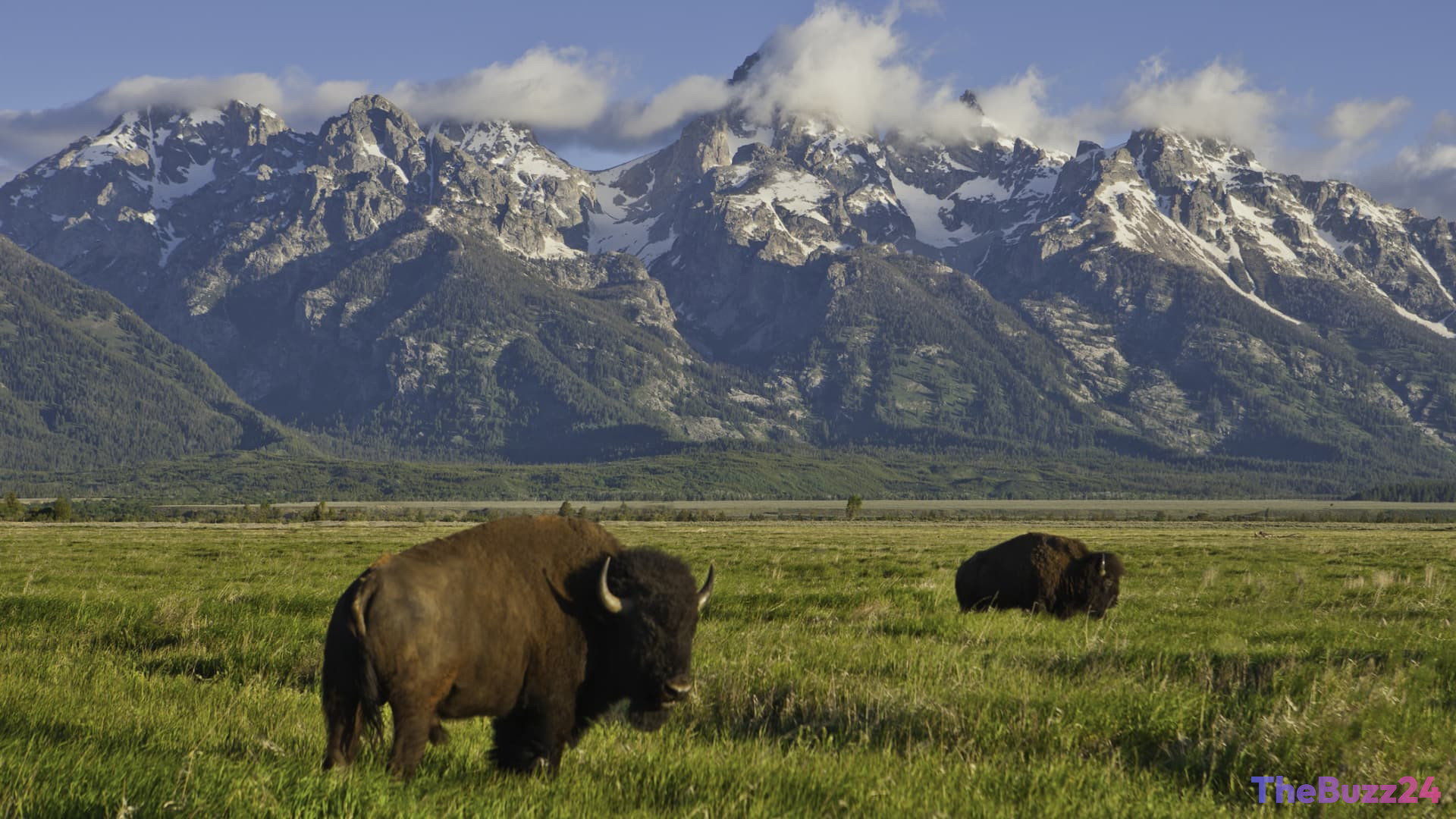
As the United States approaches its 250th anniversary, a significant legislative impasse has stalled efforts to secure long-term funding for the nation’s national park infrastructure. With the expiration of the Great American Outdoors Act, lawmakers are struggling to find a path forward to address a multi-billion dollar backlog of deferred maintenance across federal lands. The current debate underscores deep ideological divisions regarding how to generate the revenue necessary to preserve these vital public assets.
In the House of Representatives, Republican leadership has proposed a funding model that includes controversial measures, such as implementing tolls on federal roads in the Washington, D.C. area and introducing new fees for international tourists. These proposals have faced stiff opposition from Democrats, who argue that such measures unfairly burden local commuters and that the federal government should prioritize maintenance through existing budgetary allocations rather than imposing new taxes.
Meanwhile, the Senate is considering a strategy that would utilize royalties from federal oil and gas energy development to replenish the Legacy Restoration Fund. This proposal is being debated alongside potential budget cuts to the National Park Service, a prospect that has drawn sharp criticism from conservationists and the outdoor recreation industry. Major retailers, including REI, Patagonia, Walmart, and Target, are monitoring these negotiations closely, as the economic health of the outdoor sector is directly tied to the accessibility and quality of national park facilities.
As discussions continue on Capitol Hill, concerns remain regarding the potential for funds to be diverted toward non-essential construction rather than critical repairs. While the White House has signaled support for specific components of the proposed funding packages, such as international visitor surcharges, the final legislative framework remains uncertain. The resolution of these negotiations will likely serve as a critical indicator for the future of public land management and the long-term economic vitality of the outdoor retail industry.
Key Takeaways
- Congress is currently deadlocked over finding a successor to the expired Great American Outdoors Act to address a massive maintenance backlog.
- Proposed funding solutions include controversial measures like road tolls, international visitor fees, and royalties from federal energy development.
- The outdoor retail industry is closely watching the outcome, as park accessibility is a primary driver for gear and apparel sales.
Editor’s Analysis & Impact
The legislative struggle over national park funding reflects a broader tension between fiscal conservatism and the necessity of maintaining public infrastructure. For the outdoor recreation industry, which has recently faced sluggish growth, the resolution of this funding gap is not merely an environmental issue but an economic imperative. If Congress fails to secure a stable, long-term funding mechanism, the resulting degradation of park infrastructure could lead to decreased visitor numbers, negatively impacting retailers like REI and Patagonia. Conversely, a successful bipartisan agreement could serve as a vital stimulus for the outdoor economy. The reliance on energy royalties versus direct taxation remains the primary friction point, and the final compromise will likely set a precedent for how the federal government balances environmental stewardship with fiscal responsibility in the coming decade.
Frequently Asked Questions
Q: Why is there a debate over national park funding?
A: The debate stems from the expiration of the Great American Outdoors Act and the urgent need to address a massive backlog of deferred maintenance in national parks, with lawmakers disagreeing on whether to use new fees, tolls, or energy royalties to fund the repairs.
Q: How does this impact the outdoor retail industry?
A: The outdoor retail sector relies on well-maintained parks to encourage consumer engagement in outdoor activities. If parks fall into disrepair, it could lead to lower demand for outdoor gear, apparel, and equipment, further impacting an industry already experiencing slow growth.
AI Disclosure: This article is based on verified data and official reports. Our Team and AI have cross-referenced every financial detail with primary sources to ensure total accuracy.
More from this Category