Controversial Funeral for ‘Butcher of Bosnia’ Ratko Mladić Draws Thousands in Belgrade
Thousands of mourners gathered in Belgrade, Serbia, to pay their final respects to Ratko Mladić, the former Bosnian Serb general who died at age 84 while serving a life sentence for war crimes. Mladić, who was convicted by a UN tribunal for his role in the 1995 Srebrenica massacre and the brutal siege of Sarajevo, remains a polarizing figure, viewed by many in Serbia and the Republika Srpska as a national hero rather than the war criminal identified by international courts.
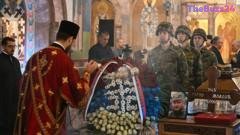
The funeral proceedings were marked by a significant public display of reverence, with the Serbian Orthodox Church leadership officiating the service. Despite international condemnation regarding the glorification of a man responsible for the deaths of thousands, the event saw participation from high-ranking Serbian government officials and military veterans. The coffin was transported to Serbia on a government-sanctioned flight, and organized transport was provided for supporters traveling from across the region to attend the memorial.
International observers and European Union officials have sharply criticized the event, warning that the public veneration of Mladić undermines fundamental European values and hinders regional reconciliation. The EU emphasized that the celebration of individuals convicted of genocide and crimes against humanity stands in direct opposition to the standards required for EU membership. As Serbia continues its path toward potential integration, the persistent divide between the official historical record of the 1990s conflicts and the nationalistic narrative surrounding Mladić remains a significant point of tension.
For survivors and victims’ families, the public display of support for Mladić serves as a painful reminder of the atrocities committed during the Bosnian War. While the UN tribunal established a comprehensive legal record of his actions, the cultural divide persists, fueled by local media and educational systems that often frame the conflict through a lens of national defense. This funeral highlights the ongoing struggle for post-conflict societies to reconcile with their past and address the deep-seated trauma that continues to influence regional politics.
Key Takeaways
- Ratko Mladić, convicted of genocide and war crimes, was laid to rest in Belgrade amidst a large public funeral attended by government officials and supporters.
- The European Union condemned the event, stating that the glorification of war criminals contradicts fundamental values and complicates Serbia's EU integration process.
- While international courts recognize Mladić as the 'Butcher of Bosnia,' he continues to be perceived by many in Serbia and the Bosnian Serb entity as a heroic defender of the nation.
Editor’s Analysis & Impact
The public funeral of Ratko Mladić serves as a stark illustration of the ‘memory wars’ currently defining the Balkan political landscape. From a geopolitical perspective, the event highlights the fragility of regional stability and the significant gap between international legal standards and domestic nationalist sentiment. By allowing high-level government participation, Serbia faces increased scrutiny from the European Union, potentially stalling its accession process further. The broader implication is that without a concerted effort toward a shared historical narrative, the region remains susceptible to ethnic polarization. Future outlooks suggest that as long as war criminals are treated as national icons in public discourse, the path to genuine reconciliation and long-term stability in the Balkans will remain obstructed, keeping the region in a state of perpetual historical grievance.
Frequently Asked Questions
Q: Why was Ratko Mladić convicted by the UN?
A: Mladić was convicted of genocide, war crimes, and crimes against humanity, most notably for his command role in the 1995 Srebrenica massacre and the multi-year siege of Sarajevo.
Q: How has the international community reacted to the funeral?
A: The European Union has strongly denounced the funeral, stating that the glorification of convicted war criminals is incompatible with European values and undermines efforts toward regional peace.
AI Disclosure: This article is based on verified data and official reports. Our Team and AI have cross-referenced every financial detail with primary sources to ensure total accuracy.
More from this Category