Cornell Sexual Assault Scandal Deepens as Defense Demands Special Prosecutor’s Recusal
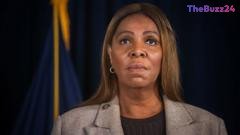
Legal representatives for one of the defendants in the high-profile Cornell University gang rape case have formally requested the removal of the assigned special prosecutor, pointing to prior public statements as a conflict of interest. The defense argues that recent social media remarks made by New York Attorney General Letitia James compromise the perceived independence and neutrality required for a thorough investigation into the allegations.
The controversy stems from an October 2024 incident where a student, identified in court documents as Jane Doe, was allegedly drugged and assaulted by seven men during a fraternity gathering. The ongoing fallout has triggered intense national scrutiny, campus protests, and scrutiny of the Ivy League institution’s initial handling of the report. In response to mounting pressure, New York Governor Kathy Hochul previously appointed James to oversee an independent probe into both the crime and the subsequent institutional response.
Simultaneously, Cornell University’s administration faces severe internal backlash. The Faculty Senate has scheduled a no-confidence vote targeting university leadership over their alleged mishandling of the crisis. To mitigate the fallout, Cornell has retained former Deputy Attorney General Sally Yates to spearhead an independent examination of the school’s protocols concerning sexual misconduct. While university officials defend the ongoing investigations, the legal challenges regarding impartiality threaten to prolong a deeply contentious chapter for the campus community.
Key Takeaways
- Defense counsel for one of the accused men has called for the recusal of special prosecutor Letitia James.
- The request follows public social media statements made by James regarding the victim, which defense attorneys argue threaten the investigation's impartiality.
- Cornell University is concurrently facing a faculty no-confidence vote and has hired former Deputy Attorney General Sally Yates to conduct an independent review.
Editor’s Analysis & Impact
The legal maneuvers in the Cornell University sexual assault case highlight the delicate balance between public empathy and judicial neutrality in high-profile crimes. When public officials comment prematurely on active investigations, it opens the door for defense teams to challenge the integrity of the proceedings, potentially delaying justice and fueling procedural battles. For Cornell University, the institutional fallout serves as a stark reminder of how mishandled misconduct allegations can severely damage a prestigious brand, provoke faculty rebellion, and necessitate costly external oversight. The outcome of both the legal challenges and the upcoming faculty vote will likely set a precedent for how elite academic institutions handle similar crises in the future.
Frequently Asked Questions
Q: Why is the defense demanding the special prosecutor's recusal?
A: The defense argues that social media comments made by New York Attorney General Letitia James expressing sympathy for the victim compromise the requirement for an independent and unbiased evaluation of the evidence.
Q: What actions is Cornell University taking in response to the scandal?
A: Cornell has hired former Deputy Attorney General Sally Yates to lead an independent review of the university's response to the allegations and its overall sexual assault policies.
Q: What is the significance of the upcoming Faculty Senate vote?
A: The Faculty Senate is holding a no-confidence vote regarding the university administration's handling of the incident, which serves as a symbolic gesture of discontent and puts additional pressure on leadership.
AI Disclosure: This article is based on verified data and official reports. Our Team and AI have cross-referenced every financial detail with primary sources to ensure total accuracy.
More from this Category