Curiosity Rover Shifts Focus to Valle Grande After Navigating Martian Hazards
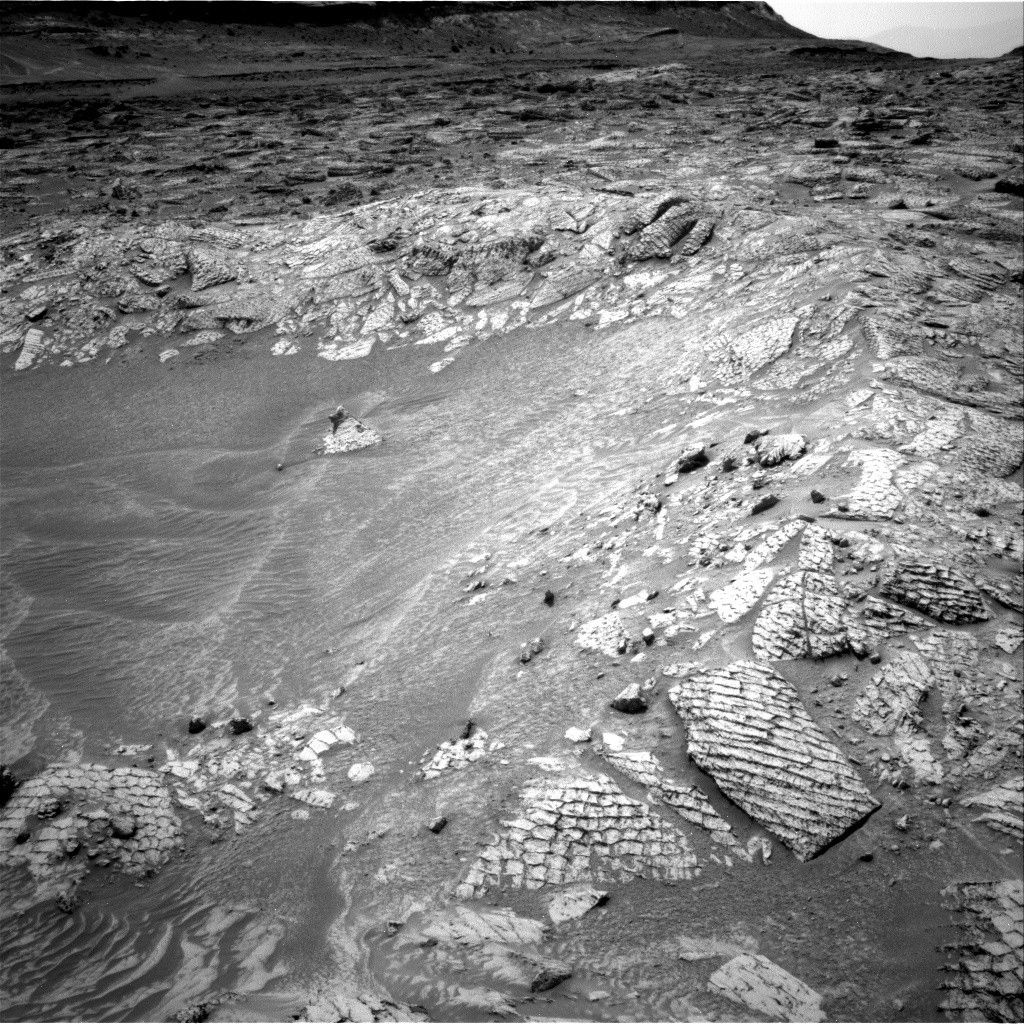
The Curiosity rover has successfully navigated a challenging phase of its Martian mission, opting to bypass the Antofagasta crater after identifying significant environmental risks. While the site initially appeared to be a prime location for geological research, mission controllers determined that the crater floor was composed of deep, unstable sand that could have immobilized the vehicle. Furthermore, the terrain’s geometry would have severely limited the functionality of the rover’s onboard scientific instruments, making a full-scale drilling operation impractical.
Demonstrating tactical flexibility, the mission team pivoted to a remote sensing strategy. By focusing on the crater’s rim, the rover was able to capture high-resolution images of unique polygonal rock formations and collect valuable data on local atmospheric conditions, including cloud patterns and dust-devil activity. This secondary objective provided essential insights into the current Martian climate without compromising the safety of the hardware.
Following the successful completion of these observations, Curiosity has transitioned to the ‘Valle Grande’ region. The team is now preparing for a new drilling campaign targeting layered sulfate strata, a geological feature that has remained largely unexplored since early 2024. Researchers have identified a promising bedrock block, designated ‘Atacama,’ as the primary target for upcoming drilling. Preliminary geochemical testing is currently underway to ensure the site is suitable for a full-scale investigation into the planet’s ancient environmental history.
Key Takeaways
- Curiosity avoided the Antofagasta crater due to hazardous, deep sand and poor positioning for its scientific instruments.
- The mission team successfully adapted by performing remote imaging and atmospheric monitoring at the crater rim.
- The rover is now moving to the 'Valle Grande' region to drill into sulfate-rich strata at a site named 'Atacama'.
Editor’s Analysis & Impact
The Curiosity rover’s recent tactical pivot underscores the inherent unpredictability of autonomous planetary exploration. By prioritizing the preservation of the rover over a specific geological target, the mission team demonstrated the operational maturity necessary for long-term space missions. The shift toward the ‘Valle Grande’ region is scientifically significant, as the study of sulfate strata is vital for reconstructing Mars’ transition from a potentially habitable, water-rich environment to its current arid state. This flexibility ensures that the mission continues to yield high-value data despite the physical constraints of aging hardware. As the rover moves into this new phase, the focus on the ‘Atacama’ site highlights the importance of precise site selection in maximizing the return on investment for multi-billion dollar space assets, setting a critical precedent for future robotic exploration missions.
Frequently Asked Questions
Q: Why did the Curiosity rover decide against drilling at the Antofagasta crater?
A: The rover avoided the site because the crater floor was covered in deep, rippled sand that posed a high risk of immobilization, and the terrain geometry would have prevented the rover from using its scientific instruments effectively.
Q: What is the primary objective of the new drilling campaign in the Valle Grande region?
A: The goal is to sample layered sulfate strata, which have not been analyzed since early 2024, to gain new insights into the geological history and environmental evolution of the Martian surface.
AI Disclosure: This article is based on verified data and official reports. Our Team and AI have cross-referenced every financial detail with primary sources to ensure total accuracy.
More from this Category