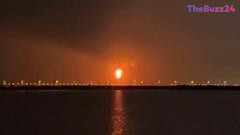
Deadly Explosion Rocks Qatar’s Barzan Gas Facility
A catastrophic explosion at the Barzan gas supply facility in Qatar’s Ras Laffan industrial zone has resulted in at least 13 fatalities and dozens of injuries. The blast, which occurred on Sunday evening, was powerful enough to be felt in central Doha, over 70 kilometers away, and illuminated the night sky with a massive orange glow. Emergency response teams were dispatched immediately to the site, and officials have confirmed that the resulting fire has been brought under control.
QatarEnergy, the state-owned energy entity, stated that the incident took place as workers were in the process of restarting operations at the facility. The plant had been offline since December 2025 for urgent maintenance and had only resumed activity two days prior to the accident. Energy Minister Saad Sherida al-Kaabi emphasized that the explosion was a technical accident rather than an act of sabotage, noting that there are no immediate environmental risks to the surrounding area.
While the government has launched a formal investigation into the cause of the blast, the human toll has been significant, with all victims identified as nationals from India and Pakistan. The Indian Embassy in Doha is currently coordinating with local authorities to provide support to the affected families. Despite the severity of the incident, officials have indicated that the country’s broader export capabilities remain a priority, though the timeline for a full resumption of operations at the Barzan facility remains uncertain.
This incident follows a period of instability for the Ras Laffan industrial hub, which previously sustained damage during regional conflicts earlier this year. QatarEnergy has projected that the necessary repairs to the facility could lead to a reduction in output by approximately 12.8 million tons of liquefied natural gas over the next three to five years, potentially impacting global supply chains that rely on the region’s energy exports.
Key Takeaways
- An explosion at the Barzan gas facility in Qatar resulted in 13 deaths and multiple injuries, with all victims identified as foreign nationals.
- The blast occurred shortly after the facility resumed operations following a lengthy maintenance shutdown that began in late 2025.
- QatarEnergy estimates that repairs could reduce LNG output by 12.8 million tons over the next three to five years, impacting global supply.
Editor’s Analysis & Impact
The explosion at the Barzan facility represents a significant blow to global energy markets, particularly as the world continues to navigate the volatility of LNG supply chains. Given that Qatar is a primary global supplier, the projected multi-year reduction in output of 12.8 million tons creates a supply-side shock that could lead to increased price volatility for energy importers. Beyond the immediate humanitarian tragedy, the incident highlights the fragility of critical infrastructure in the Middle East, especially following recent regional conflicts. The fact that the accident occurred during a restart phase suggests potential systemic failures in safety protocols or equipment integrity after prolonged downtime. Moving forward, investors and energy analysts will be closely monitoring QatarEnergy’s repair timelines and the potential for long-term shifts in regional energy security strategies.
Frequently Asked Questions
Q: Was the explosion at the Barzan facility caused by sabotage?
A: No, Qatar's Energy Minister has stated that the incident was a technical accident and not the result of sabotage or hostile activity.
Q: What is the expected impact on LNG production?
A: QatarEnergy estimates that the necessary repairs will reduce output by 12.8 million tons of LNG over the next three to five years.
AI Disclosure: This article is based on verified data and official reports. Our Team and AI have cross-referenced every financial detail with primary sources to ensure total accuracy.
More from this Category