Decoding the AI Lexicon: Essential Terms for the Modern Tech Landscape
The rapid evolution of artificial intelligence has birthed a complex new vocabulary that can be daunting even for seasoned industry professionals. As AI continues to integrate into every facet of business and daily life, understanding the underlying mechanics—from how models reason to the hardware that powers them—has become essential. Whether you are an investor, a developer, or simply an observer of the digital age, navigating this shifting linguistic landscape is key to staying informed.
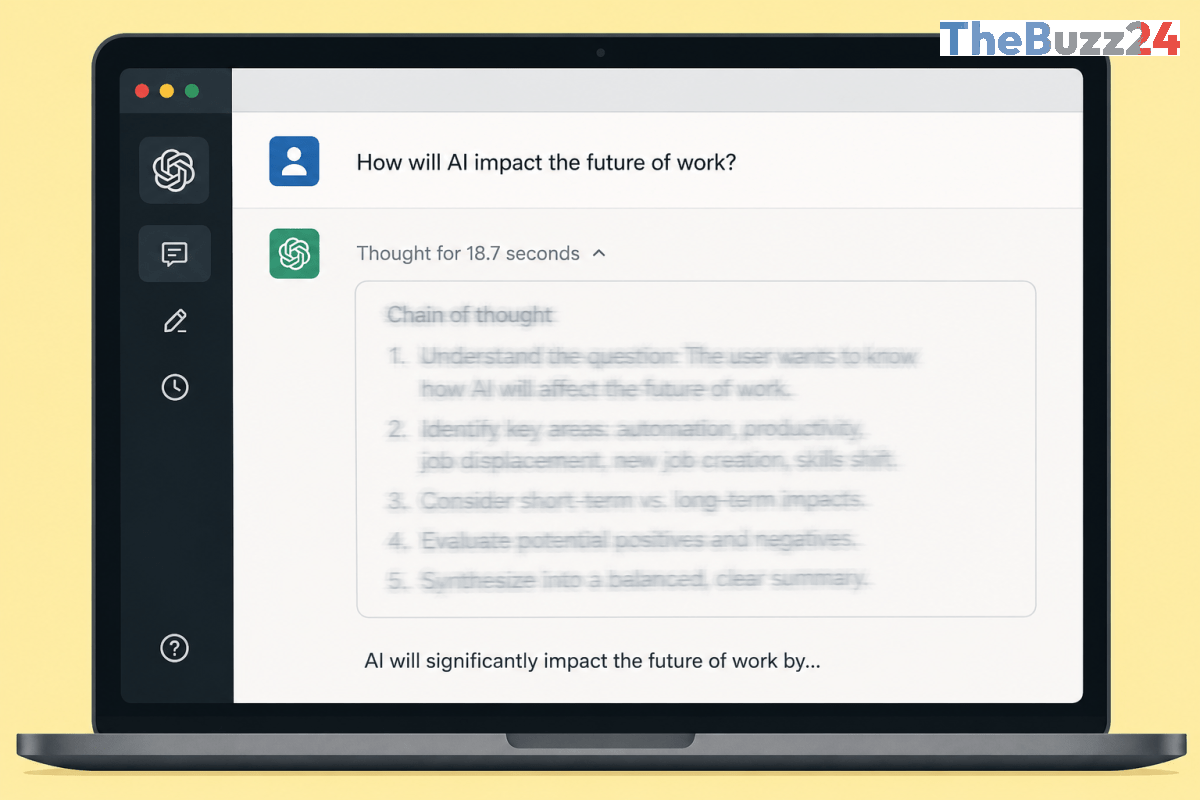
At the heart of current AI discourse are concepts like ‘opaque recurrence’ and ‘chain-of-thought’ reasoning. While traditional large language models (LLMs) often provide a transparent, step-by-step breakdown of their logic, newer techniques like opaque recurrence allow models to loop queries through internal layers for greater efficiency. This shift has sparked significant debate among safety researchers, who worry that such ‘black box’ methods make it increasingly difficult to monitor AI behavior and ensure alignment with human values.
Beyond reasoning techniques, the industry is grappling with infrastructure challenges, most notably the ‘RAMageddon’ phenomenon. As major tech firms compete to build the most powerful models, the massive demand for memory chips has created supply bottlenecks, driving up costs across the broader electronics sector. This hardware scarcity highlights the physical limitations of the AI boom, where the race for computational supremacy directly impacts the availability and pricing of consumer technology.
Ultimately, the field is moving toward greater specialization and autonomy. Concepts such as AI agents, which can execute multi-step tasks independently, and the Model Context Protocol (MCP), which standardizes how AI connects to external data, represent the next frontier. As these technologies mature, the focus is shifting from simply training larger models to optimizing them for specific, reliable, and efficient real-world applications.
Key Takeaways
- The AI industry is developing a specialized vocabulary, including terms like 'opaque recurrence' and 'RAMageddon,' to describe new reasoning techniques and infrastructure challenges.
- Safety researchers are concerned that advanced reasoning methods like opaque recurrence may reduce transparency, making it harder to audit AI decision-making processes.
- The surge in AI development has created a global shortage of RAM, impacting the cost and availability of hardware for industries ranging from consumer electronics to gaming.
Editor’s Analysis & Impact
The rapid expansion of the AI sector is creating a ‘vocabulary gap’ that mirrors the speed of technological innovation. The shift toward opaque reasoning techniques represents a critical juncture in AI development: the trade-off between computational efficiency and interpretability. As models become more autonomous, the industry faces a growing tension between the desire for ‘smarter’ systems and the necessity of maintaining human oversight. Furthermore, the ‘RAMageddon’ trend serves as a stark reminder that the digital revolution is tethered to physical supply chains. Future market stability will likely depend on how effectively companies can optimize model efficiency—through techniques like distillation and mixture-of-experts—to reduce reliance on scarce hardware. Investors and stakeholders should monitor the standardization of protocols like MCP, as these will likely dictate which platforms become the dominant ‘operating systems’ for future AI-driven workflows.
Frequently Asked Questions
Q: What is the difference between an AI agent and a standard chatbot?
A: While a chatbot primarily processes and generates text in response to prompts, an AI agent is designed to perform autonomous, multi-step tasks on behalf of a user, such as managing code, filing expenses, or interacting with third-party software via API endpoints.
Q: Why are AI researchers concerned about 'opaque recurrence'?
A: Opaque recurrence allows a model to process information through internal loops rather than a readable, step-by-step chain of thought. This makes the model's reasoning process a 'black box,' which complicates safety audits and makes it harder for researchers to identify why a model might produce incorrect or harmful outputs.
AI Disclosure: This article is based on verified data and official reports. Our Team and AI have cross-referenced every financial detail with primary sources to ensure total accuracy.
More from this Category