Defense Sector Becomes U.S. Battery Startups’ Unexpected Lifeline
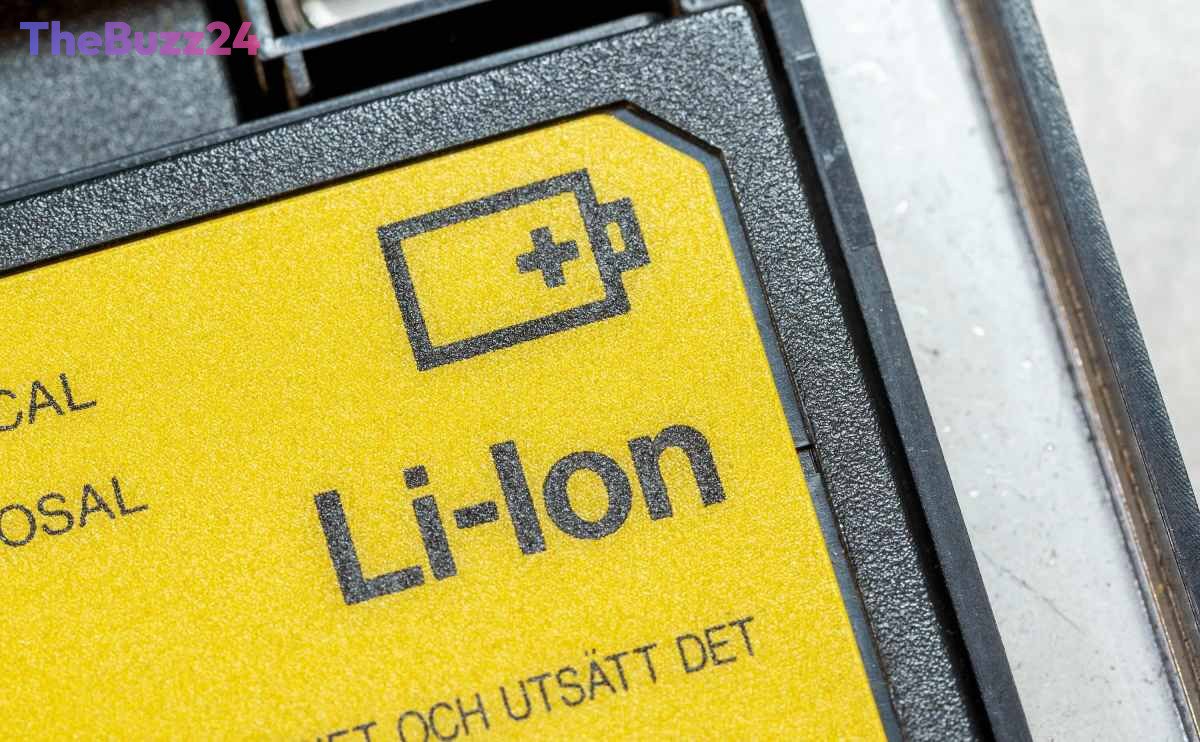
U.S. battery startups, facing headwinds from shifts in electric vehicle (EV) incentives, are finding a crucial new market in the defense industry. This sector is increasingly turning to advanced battery technologies to power a wide array of military applications, from sophisticated drones and torpedoes to essential infantry communication devices and advanced fighter jets.
The U.S. government, recognizing the strategic importance of domestic battery production, is channeling significant funding into the sector. The Department of Energy recently announced a $500 million grant program aimed at strengthening the nation’s battery supply chain. This initiative explicitly seeks to reduce dependence on foreign suppliers, enhance national security, and promote American leadership in energy technology, with a substantial portion of the funds directed towards emerging battery companies.
Several startups have already secured significant portions of this funding. Coreshell, a company specializing in battery materials, received $50 million to scale up its manufacturing of a novel metallurgical silicon anode material. The company has also attracted investment from ADS Ventures, a venture capital firm with ties to the defense supply chain, signaling strong interest from the military sector. Lilac Solutions was awarded $100 million to establish a facility in Utah for extracting lithium from brines, with the goal of producing 5,000 metric tons of lithium carbonate annually by 2028. Nth Cycle also secured $100 million to construct a plant for refining black mass from recycled lithium-ion batteries, thereby producing valuable lithium and nickel compounds for new battery production.
While the automotive industry remains a major driver for battery innovation and manufacturing, the defense sector’s demand is becoming increasingly prominent. Industry insiders note a clear surge in demand from defense applications, even as the automotive sector continues its long-term growth trajectory. Although precise figures for defense spending on batteries are difficult to ascertain, it represents a significant and growing market, complementing the much larger automotive battery market. This strategic pivot highlights the dual-use nature of advanced battery technology and its critical role in both commercial and national security interests.
Key Takeaways
- U.S. battery startups are increasingly relying on the defense sector for growth as EV incentives shift.
- The Department of Energy is providing $500 million in grants to bolster domestic battery supply chains and national security.
- Key startups like Coreshell, Lilac Solutions, and Nth Cycle have received substantial funding for manufacturing and material production.
Editor’s Analysis & Impact
The pivot of U.S. battery startups towards the defense sector underscores a significant strategic realignment in the industry. While the electric vehicle market remains a long-term goal, the immediate need for advanced, domestically sourced batteries for defense applications provides a vital financial and operational lifeline. This trend highlights the dual-use potential of battery technology and its critical role in national security. The substantial government investment signals a commitment to reducing foreign reliance and fostering domestic innovation. This could accelerate advancements in battery performance and manufacturing, with potential spillover benefits for the broader commercial market once the EV landscape stabilizes.
Frequently Asked Questions
Q: Why are U.S. battery startups turning to the defense sector?
A: U.S. battery startups are seeking new markets due to shifts in electric vehicle (EV) incentives, which have impacted projected demand. The defense sector offers a stable and growing demand for advanced battery technologies for applications like drones, communication systems, and military vehicles.
Q: What is the U.S. government doing to support domestic battery production?
A: The U.S. Department of Energy has announced a $500 million grant program to strengthen the domestic battery supply chain. This initiative aims to reduce reliance on foreign sources, enhance national security, and promote American leadership in battery technology, with a significant portion of the funds allocated to startups.
Q: Which startups have received significant funding?
A: Several startups have received substantial grants, including Coreshell ($50 million for anode material), Lilac Solutions ($100 million for lithium extraction), and Nth Cycle ($100 million for refining recycled battery materials).
AI Disclosure: This article is based on verified data and official reports. Our Team and AI have cross-referenced every financial detail with primary sources to ensure total accuracy.
More from this Category