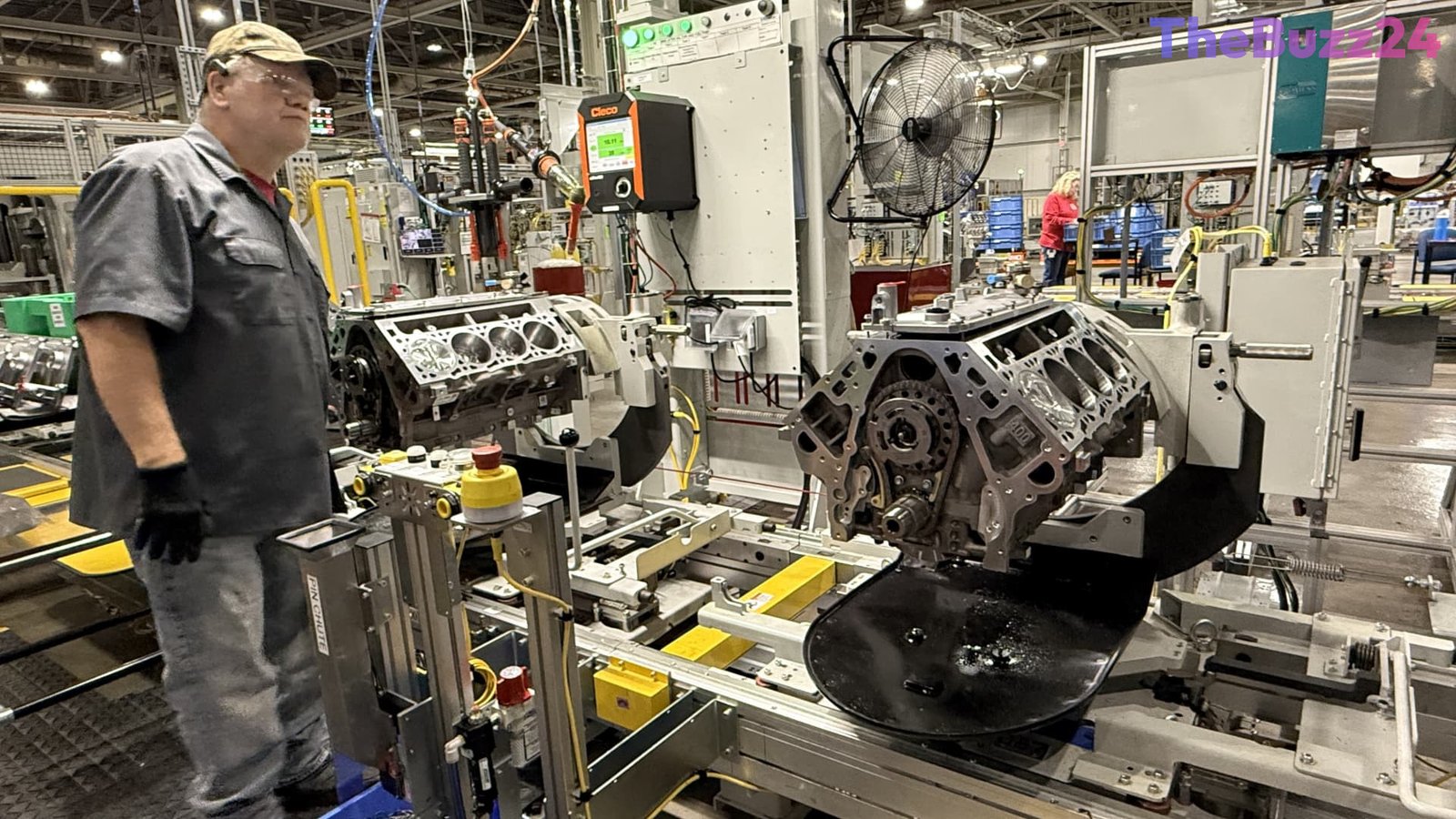
Detroit’s Revamped ‘Truck Wars’ Reignite as General Motors Unveils Next-Gen V-8 Engines
The landscape of America’s automotive sector is shifting back to combustion power, as major Detroit manufacturers double down on traditional performance. General Motors has officially pulled the curtain back on its upcoming engine lineup for the 2027 model year, introducing a pair of brand-new V-8 engines alongside an enhanced turbocharged four-cylinder and a class-exclusive diesel option. These heavy-duty developments highlight a broader industry recalibration, as automakers respond to softer-than-expected demand for all-electric alternatives and changing regulatory environments.
The strategic pivot places renewed emphasis on the highly lucrative full-size pickup segment, anchored by flagship models like the Chevrolet Silverado 1500 and GMC Sierra 1500. While electric vehicles commanded massive corporate investments earlier in the decade, consumer habits have proven resilient, particularly regarding towing and hauling demands where traditional internal combustion engines still reign supreme. Competitors like Ford and Stellantis’s Ram brand are similarly realigning their offerings, proving that the classic rivalry known colloquially as the ‘truck wars’ remains intensely competitive and financially vital to domestic manufacturing.
Industry analysts note that high-capacity trucks serve as the financial engine for Detroit’s broader corporate operations, generating critical capital that funds future vehicle architectures and emerging technologies. General Motors executives have expressed immense confidence in the upcoming sixth generation of small-block V-8 engines, a lineage that first debuted in the mid-1950s. By catering directly to long-standing consumer preferences for robust towing capacity and reliable range—areas where current electric and hybrid options often face criticism—automakers are banking on enduring brand loyalty to secure their market share through the remainder of the decade.
Key Takeaways
- General Motors announced its 2027 model year lineup featuring two new V-8 engines and a class-exclusive diesel option for full-size pickups.
- The renewed focus on gas-powered trucks comes amid lackluster consumer demand for all-electric pickup alternatives and shifting regulatory pressures.
- Full-size trucks remain a cornerstone of profitability for Detroit automakers, funding broader research and development initiatives.
Editor’s Analysis & Impact
The pivot back to advanced internal combustion engines by major domestic automakers highlights a pragmatic retreat from overly aggressive electric vehicle timelines. While EV adoption remains a long-term industry goal, consumer realities—such as heavy towing requirements and range anxiety—have kept demand sluggish for battery-powered trucks. By refreshing iconic platforms with high-efficiency V-8 and diesel options, legacy automakers are protecting their core profit margins. These high-margin trucks generate the essential cash flow needed to weather regulatory shifts and fund future automotive innovations, proving that traditional engineering still holds immense commercial value.
Frequently Asked Questions
Q: Why are automakers introducing new V-8 engines now?
A: Automakers are responding to steady consumer demand for heavy-towing capabilities, lackluster sales of all-electric trucks, and changing regulatory environments that have eased stringent EV mandates.
Q: Which models will feature General Motors' new sixth-generation V-8 engines?
A: The new engines are slated for the upcoming 2027 Chevrolet Silverado 1500 and GMC Sierra 1500 pickup trucks, as well as GM's full-size SUVs.
Q: How do hybrid and electric powertrains currently perform in the full-size truck market?
A: Electric trucks have struggled with sales largely due to significant range loss when towing heavy loads, while hybrid adoption in full-size pickups remains relatively low compared to traditional gas and diesel options.
AI Disclosure: This article is based on verified data and official reports. Our Team and AI have cross-referenced every financial detail with primary sources to ensure total accuracy.
More from this Category