Devastating Kyiv Depot Blast Sparks Outrage and Negligence Probe After 37 Killed
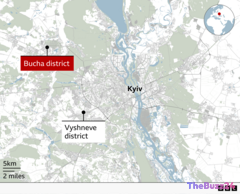
A catastrophic explosion at a military ammunition depot on the outskirts of Kyiv has claimed the lives of at least 37 people and forced the evacuation of nearly 400 residents. The disaster occurred late Friday after a Russian drone strike targeted a storage facility in the village of Myla, located in the Bucha district. The strike triggered massive secondary detonations of stored shells, mines, and drones, sending shockwaves through the surrounding residential area and severely damaging nearby structures, including a care facility for the elderly and disabled.
The tragedy has sparked intense domestic fury and prompted an immediate criminal investigation into official negligence. Ukrainian President Volodymyr Zelensky condemned the decision to store highly explosive military hardware in close proximity to civilian neighborhoods, labeling the situation “absolutely unacceptable.” The prosecutor general’s office is currently investigating the legality of the storage site and the actions of the officials responsible for the placement. This incident marks the second major ammunition depot disaster near the capital in recent months, following a similar blast in Vyshneve in July that killed nine people.
Beyond the depot explosion, a wave of aerial attacks has battered both Ukraine and Russia. In separate drone incidents near Kyiv, a 14-year-old and a two-year-old were killed, while dozens of others sustained injuries across various regions, including Odesa, Dnipropetrovsk, and Zaporizhzhia. Ukrainian air defense forces reported intercepting 233 Russian drones overnight. Meanwhile, cross-border Ukrainian strikes targeted Russian infrastructure, hitting a logistics hub belonging to the major Russian e-commerce platform Ozon, forcing evacuations and suspending operations amid escalating economic-focused aerial warfare.
Key Takeaways
- A Russian drone strike on a munitions depot in Myla triggered massive secondary explosions, killing 37 people and injuring dozens more.
- President Zelensky and Ukrainian prosecutors have launched a negligence investigation into why explosives were stored near residential areas.
- The broader conflict saw intense drone warfare, with Ukraine intercepting over 200 drones and launching retaliatory strikes on Russian logistics centers like Ozon.
Editor’s Analysis & Impact
The tragic incident in Myla highlights a critical vulnerability and growing internal friction within Ukraine’s wartime administration. Storing high-grade explosives near civilian populations violates safety regulations and severely damages public trust, especially following a similar disaster in July. As Russia continues its relentless drone campaign targeting military infrastructure, Ukraine faces the dual challenge of securing its munitions supply chains while protecting its citizenry from secondary blast hazards. Simultaneously, Ukraine’s retaliatory strategy has increasingly focused on Russian economic and logistical targets, such as e-commerce giants Ozon and Wildberries. This shift aims to disrupt Russian military supply lines and inflict economic pain, signaling a highly decentralized and economically focused phase of the aerial war that shows no signs of abating.
Frequently Asked Questions
Q: Why did the drone strike cause such high casualties?
A: While the initial strike was carried out by a Russian drone, the high casualty count and extensive damage were primarily caused by the secondary detonation of stored military explosives, including mines, shells, and drones, which were kept close to residential homes.
Q: What actions are being taken regarding the storage of these weapons?
A: President Volodymyr Zelensky has condemned the storage of explosives near civilian areas as "absolutely unacceptable." Ukraine's prosecutor general has launched a criminal investigation into official negligence to determine who authorized the placement of the depot.
Q: How is Russia's commercial sector being affected by the conflict?
A: Ukrainian drone strikes have increasingly targeted Russian logistics and e-commerce facilities, such as Ozon and Wildberries. Ukraine claims these platforms assist the Russian military, leading to operational suspensions and evacuations at several distribution centers.
AI Disclosure: This article is based on verified data and official reports. Our Team and AI have cross-referenced every financial detail with primary sources to ensure total accuracy.
More from this Category