Disney Files Protest Against FCC Over Accelerated License Renewal Mandate
Disney has formally submitted renewal applications for eight of its broadcast station licenses while simultaneously lodging a protest against the Federal Communications Commission (FCC). The media giant is challenging an agency directive that forces an early review of licenses originally slated for renewal between 2028 and 2031. Disney contends that the FCC’s mandate is both unconstitutional and arbitrary, noting that the agency has not enforced such an accelerated timeline in over five decades.
The regulatory conflict is rooted in an ongoing investigation into Disney’s corporate diversity, equity, and inclusion (DEI) policies. The FCC initiated this probe to assess whether the company’s internal practices align with the Communications Act of 1934 and federal anti-discrimination statutes. While the commission argues that the early renewal requirement is a necessary response to what it describes as inadequate and disingenuous cooperation from Disney, the company views the move as a significant overreach of regulatory authority.
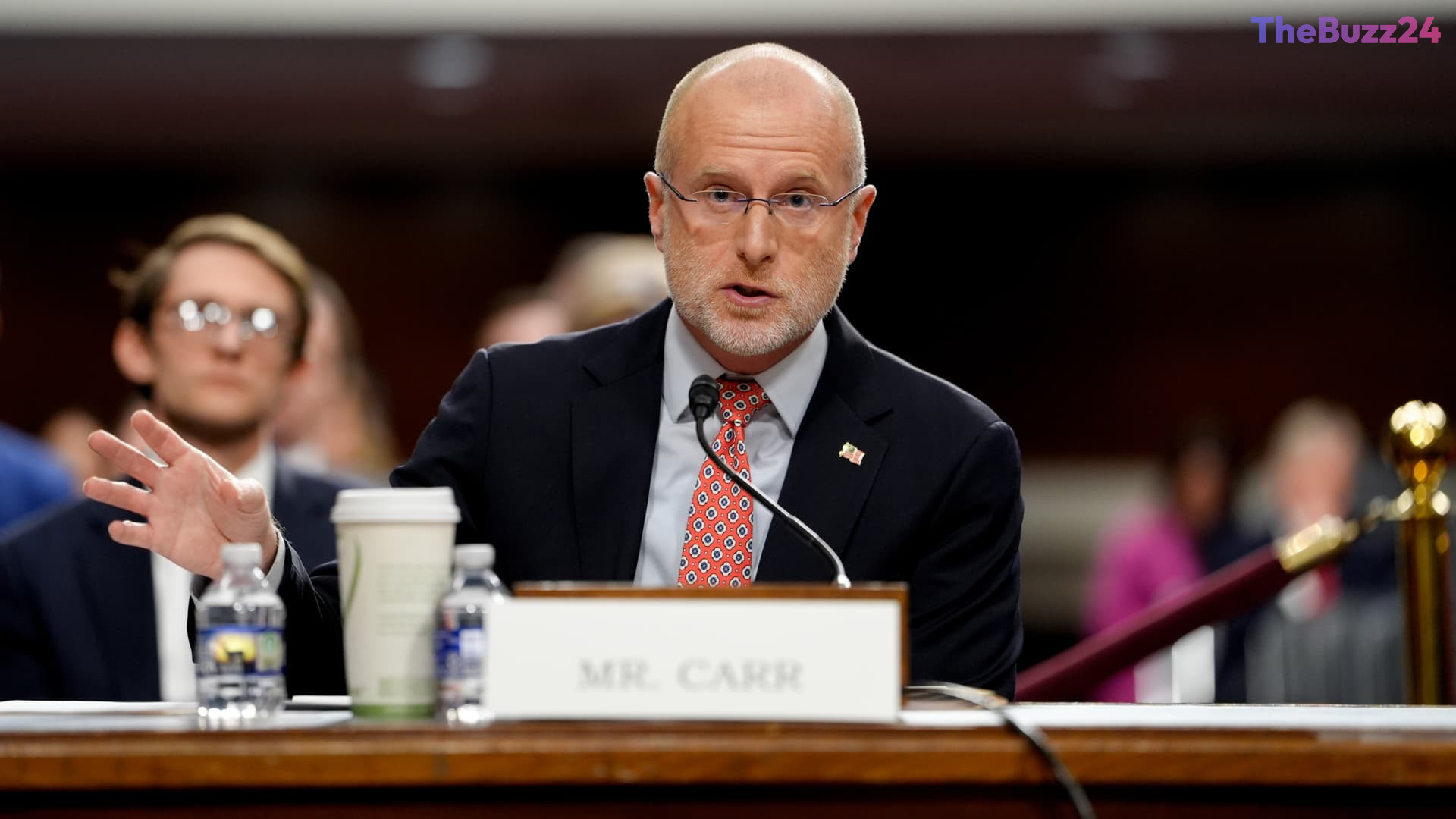
In its legal filing, Disney argues that the FCC’s demand lacks a legitimate regulatory purpose and infringes upon First Amendment protections. The company maintains that the commission already possesses the necessary channels to conduct its investigation without resorting to the extraordinary measure of forcing early license renewals. FCC Chairman Brendan Carr has defended the agency’s position, asserting that the decision was prompted by the company’s failure to provide transparent and proper responses during the investigative process.
Key Takeaways
- Disney has filed license renewal applications 'under protest' following an FCC mandate for early review.
- The FCC is investigating Disney's DEI initiatives to ensure compliance with federal anti-discrimination laws.
- Disney argues the FCC's order is an unconstitutional overreach and a violation of First Amendment rights.
Editor’s Analysis & Impact
The clash between Disney and the FCC represents a significant escalation in the intersection of corporate governance and federal oversight. By challenging the commission’s authority, Disney is signaling a willingness to engage in a protracted legal battle to protect its operational autonomy. This case carries broader implications for the media industry, as it sets a precedent for how federal agencies may utilize licensing power to influence or investigate corporate social policies. If the FCC successfully enforces this early renewal, it could embolden regulators to use similar tactics against other media entities. Conversely, if Disney prevails in court, it would likely curb the FCC’s ability to leverage the licensing process as a tool for non-technical investigations, ultimately shaping the future of regulatory influence over private corporate initiatives.
Frequently Asked Questions
Q: Why is the FCC requiring Disney to renew its licenses early?
A: The FCC claims the early renewal is a consequence of Disney providing disingenuous and improper responses during an ongoing investigation into the company's DEI initiatives.
Q: What is Disney's primary argument against the FCC's order?
A: Disney argues that the order is arbitrary, unconstitutional, lacks a legitimate purpose, and violates First Amendment protections by overstepping the agency's investigative authority.
AI Disclosure: This article is based on verified data and official reports. Our Team and AI have cross-referenced every financial detail with primary sources to ensure total accuracy.
More from this Category