Domestic Slump Drives Chinese Automakers to Seek Growth Overseas
China’s automotive sector is facing severe pressure at home as weak consumer confidence, an unstable labor market, and a prolonged property market downturn deter domestic buyers from making major purchases. Traditionally, autumn represents the peak selling season for Chinese vehicle dealerships, but showroom floors across major cities like Beijing now stand largely empty. Industry statistics indicate that domestic passenger car retail sales dropped by over 21% through the first nine months of the year, signaling a sharp downturn that rivals the initial shocks of the pandemic era.
The slump has extended even to China’s rapidly growing electric vehicle segment. While new-energy vehicles previously enjoyed explosive demand, sales in this category fell by double digits during the January-to-September period compared to the previous year. The contraction stems in part from reduced government incentives, such as scaled-back subsidies for trade-ins and diminished tax breaks for buyers. Faced with broader economic uncertainty, prospective car buyers are prioritizing long-term practicality over high-tech features, avoiding impulse purchases and delaying vehicle replacements.
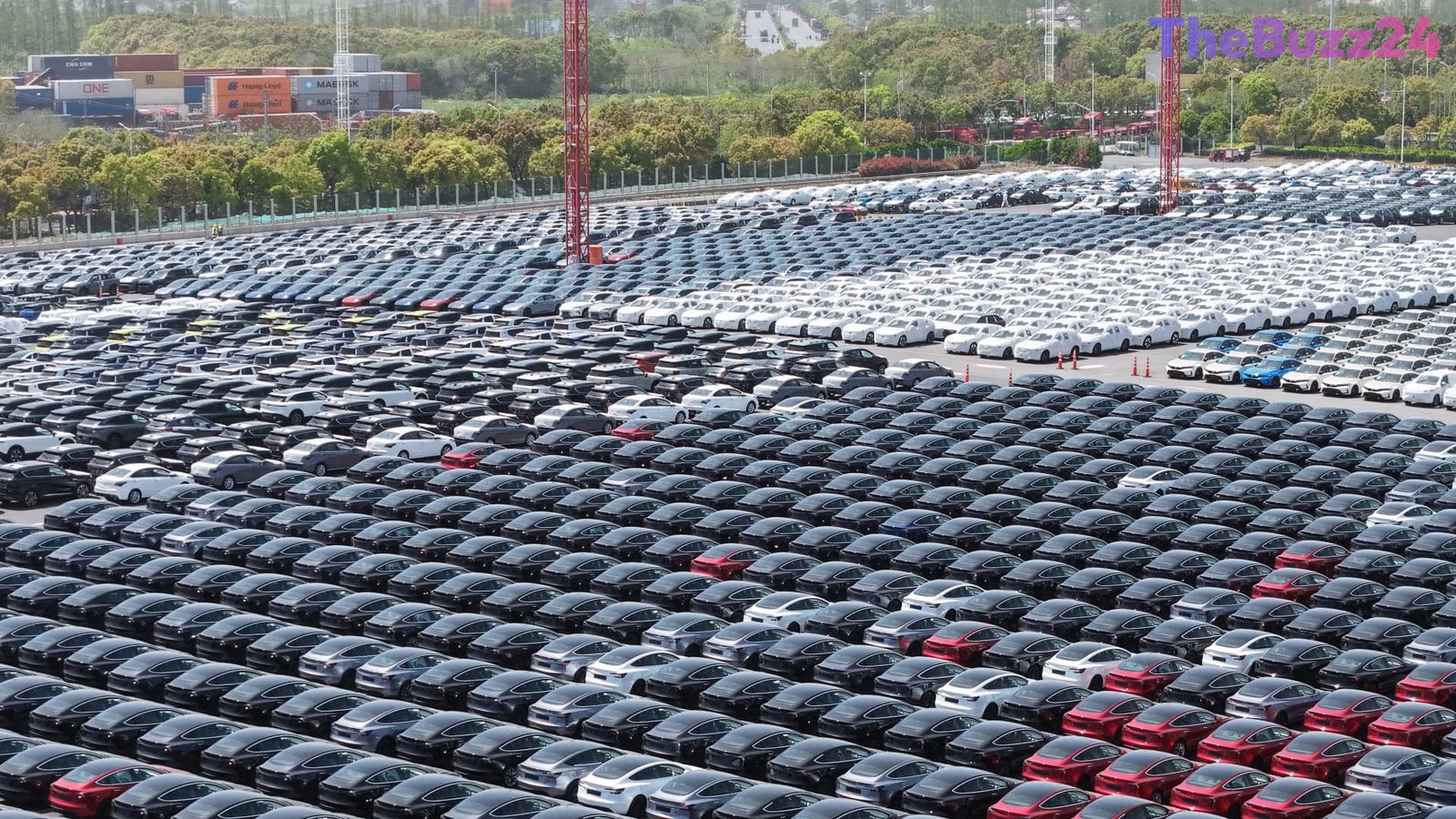
With domestic profitability shrinking significantly—auto manufacturing profits fell nearly 23% in the first nine months of the year—carmakers are increasingly turning to international markets to survive. Intense local competition and aggressive price wars have severely squeezed dealer margins, forcing businesses to cut overhead costs by relocating to cheaper premises. Consequently, Chinese automakers are aggressively expanding overseas shipments to offload excess inventory and preserve revenue streams, raising concerns in foreign markets regarding potential trade barriers against incoming imports.
Key Takeaways
- Domestic passenger vehicle sales in China fell by over 21% amid broader macroeconomic headwinds and scaled-back purchasing subsidies.
- The market contraction spans both traditional internal combustion engine vehicles and new-energy electric models.
- Shrinking local margins and intense price wars are driving Chinese car manufacturers to aggressively expand vehicle exports abroad.
Editor’s Analysis & Impact
The sharp decline in domestic auto demand poses a structural challenge for China’s industrial strategy. For years, domestic consumption and generous policy incentives catalyzed China’s rapid transition into an electric vehicle powerhouse. However, with consumer confidence dragged down by property market distress and macroeconomic volatility, the domestic market can no longer absorb the massive output of local manufacturing plants. As a result, Chinese car manufacturers are compelled to pivot toward foreign markets to maintain sales volumes. This surge in exports comes at a delicate time globally, as foreign governments in North America and Europe closely scrutinize incoming Chinese vehicles for potential market distortions and subsidization issues. Automakers unable to secure sustainable international distribution channels will likely face consolidation or severe restructuring.
Frequently Asked Questions
Q: Why are domestic car sales declining in China?
A: Domestic sales are falling due to diminished consumer confidence, real estate market distress, employment uncertainty, and the scaling back of government purchase incentives and tax exemptions.
Q: How severely has China's automotive industry profit been impacted?
A: Automotive manufacturing profits in China dropped by nearly 23% during the first nine months of the year as a result of lower sales volumes and persistent domestic price wars.
Q: How are Chinese carmakers adapting to the domestic market downturn?
A: Automakers and dealerships are reducing operational overhead, cutting prices, and aggressively pushing exports to international markets to offload vehicle inventory.
AI Disclosure: This article is based on verified data and official reports. Our Team and AI have cross-referenced every financial detail with primary sources to ensure total accuracy.
More from this Category