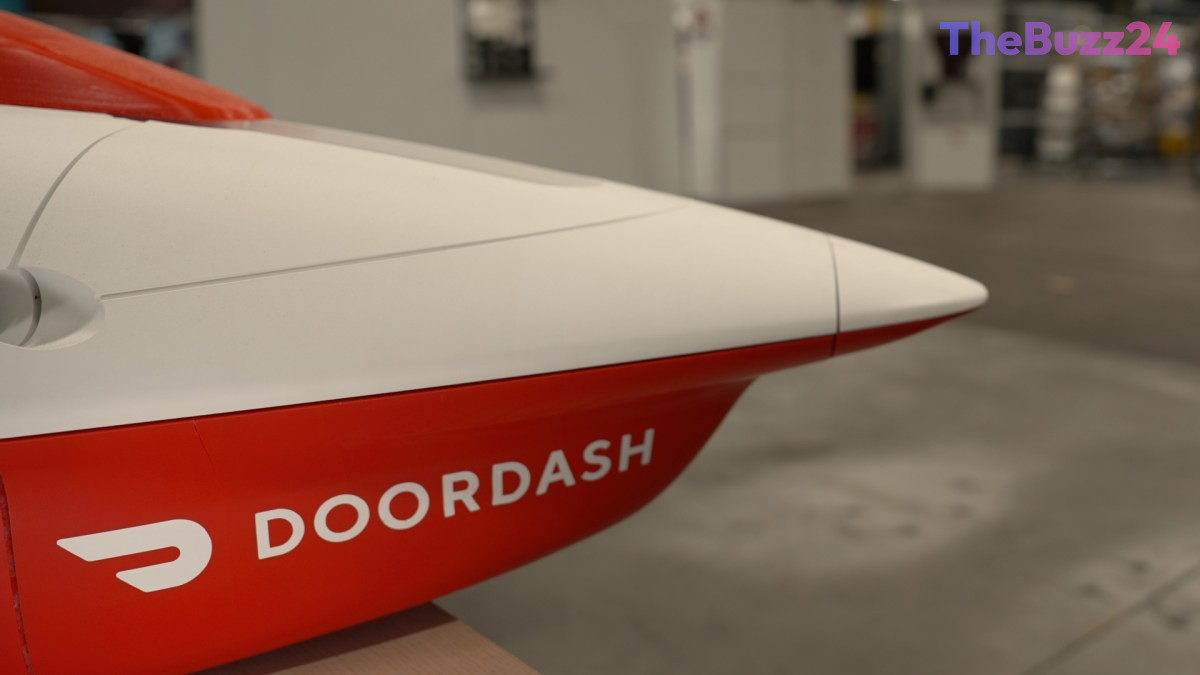
DoorDash Takes Flight: Company Launches Proprietary Drone Delivery Division
DoorDash is officially expanding its logistics capabilities into the skies with the launch of DoorDash Air, a dedicated drone delivery business. The initiative, spearheaded by the company’s internal robotics and autonomy division, DoorDash Labs, marks a significant shift toward vertical integration. Having secured Part 135 air carrier certification from the Federal Aviation Administration (FAA), the company is now legally authorized to conduct commercial drone operations within the United States.
While the certification is a major milestone, the company has not yet provided a specific timeline for when customers can expect drone-delivered orders. Initial operations are expected to be conservative, likely beginning with localized pilot programs that keep the unmanned aircraft within the operator’s line of sight. To achieve the goal of long-range, fully autonomous deliveries, DoorDash will need to secure additional FAA approvals for Beyond Visual Line of Sight (BVLOS) operations, a regulatory hurdle already cleared by competitors like Amazon and Zipline.
Despite the development of its own hardware, DoorDash intends to maintain its existing strategic partnerships with established drone operators such as Wing and Flytrex. This hybrid approach is managed by the company’s proprietary Autonomous Delivery Platform, a sophisticated software layer designed to orchestrate a complex fleet. This system intelligently determines the most efficient delivery method for each order, choosing between human drivers, sidewalk robots like the company’s ‘Dot’ bot, or aerial drones based on real-time logistics data.
Key Takeaways
- DoorDash has received FAA Part 135 certification to operate a commercial drone delivery service.
- The company is developing its own proprietary drone hardware and software to integrate into its existing delivery network.
- DoorDash will continue to utilize third-party partnerships alongside its internal autonomous systems to optimize delivery efficiency.
Editor’s Analysis & Impact
The launch of DoorDash Air signals a strategic pivot from being a pure-play software platform to a full-stack logistics operator. By controlling both the delivery hardware—drones and sidewalk bots—and the orchestration software, DoorDash is attempting to solve the ‘last-mile’ efficiency problem that plagues the gig economy. The industry impact is significant; as labor costs for human couriers rise, autonomous delivery becomes a critical lever for maintaining margins. However, the company faces a steep regulatory and operational climb. Success will depend not just on the technology itself, but on the ability to seamlessly integrate these disparate modes of transport into a single, reliable network. If successful, this could set a new standard for delivery speed and cost-effectiveness, forcing competitors to accelerate their own robotics investments to remain relevant.
Frequently Asked Questions
Q: Does DoorDash Air mean I can get drone delivery immediately?
A: No. While the company has received FAA certification, it has not announced a specific launch date for consumer drone deliveries and will likely begin with limited pilot programs.
Q: Will DoorDash stop working with other drone companies like Wing?
A: No. DoorDash has stated that it will maintain its existing partnerships with companies like Wing and Flytrex while simultaneously developing its own internal drone technology.
AI Disclosure: This article is based on verified data and official reports. Our Team and AI have cross-referenced every financial detail with primary sources to ensure total accuracy.
More from this Category