Dow Jones Hits Record High as Market Sentiment Shifts Amid AI Spending and Geopolitical Hopes
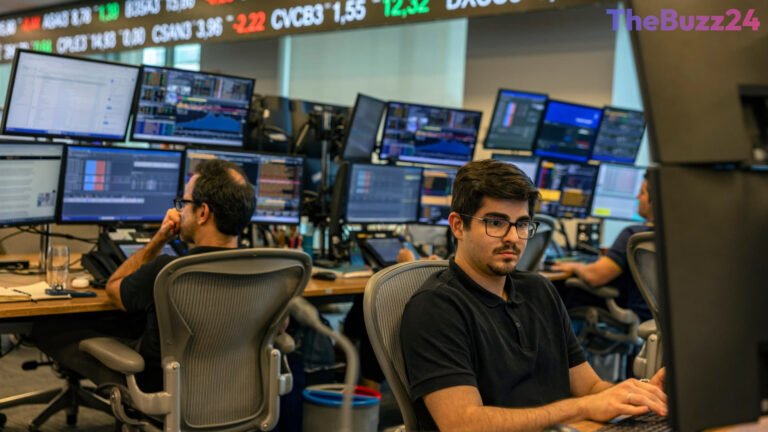
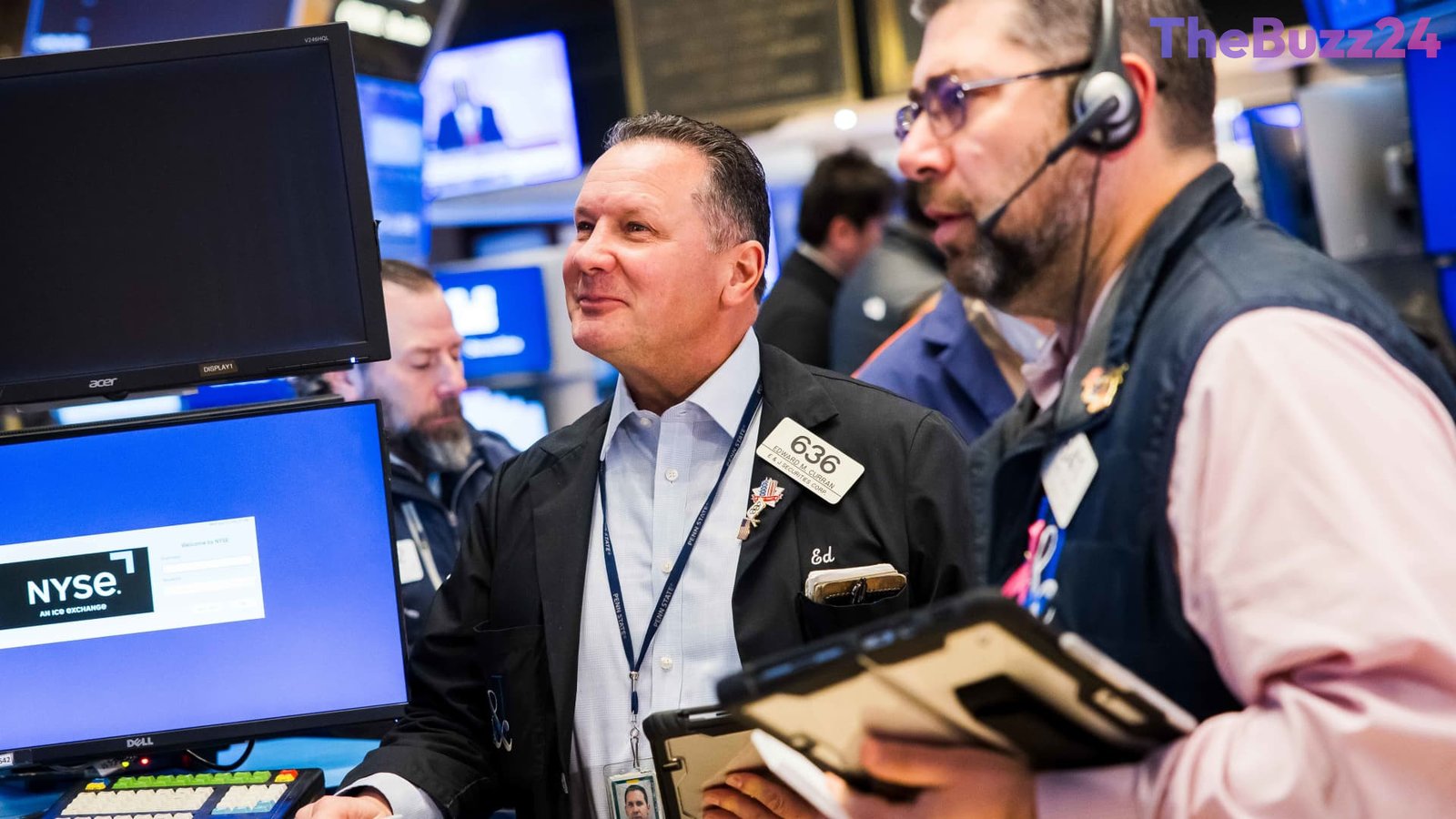
The Dow Jones Industrial Average reached a fresh all-time high on Wednesday, closing at 54,349.12 after a 263.24-point gain. This marks the index’s fifth consecutive day of growth, fueled by strong corporate earnings and a renewed focus on artificial intelligence infrastructure. While the Dow thrived, the broader market experienced mixed results, with the S&P 500 and Nasdaq Composite retreating slightly as investors weighed the implications of massive capital expenditures in the tech sector.
Market volatility was particularly evident in the performance of major tech players. Nvidia shares saw a notable boost of over 3% following comments from Elon Musk regarding SpaceX’s exclusive reliance on Nvidia processors for its AI computing needs. Conversely, SpaceX shares faced a sharp decline of over 13% after the company’s first public quarterly report revealed a sixfold increase in capital expenditures, totaling $18.4 billion, largely directed toward AI development. This trend has sparked a broader debate among investors regarding the long-term return on investment for the multibillion-dollar spending sprees currently dominating the tech industry.
Beyond the tech sector, the market found support in potential diplomatic breakthroughs. Optimism surrounding a possible deal to reopen the Strait of Hormuz, which could stabilize global energy supplies, helped keep oil prices in check. Meanwhile, Federal Reserve officials signaled a readiness to address persistent inflation through potential interest rate hikes, adding a layer of caution to the current market rally. Despite these macroeconomic pressures, industrial commodities like copper reached record highs, and companies such as Shake Shack and Eli Lilly saw significant gains following positive investor interest and strong earnings reports, respectively.
Key Takeaways
- The Dow Jones Industrial Average achieved a record closing high, marking five straight days of gains.
- SpaceX shares dropped over 13% as investors reacted to a massive $18.4 billion surge in capital expenditures focused on AI.
- Market sentiment remains buoyed by potential diplomatic progress in the Strait of Hormuz and strong earnings from companies like Eli Lilly and Shake Shack.
Editor’s Analysis & Impact
The current market environment reflects a complex tug-of-war between ‘animal spirits’—driven by the relentless pursuit of AI dominance—and the sobering reality of capital efficiency. While the Dow’s record-breaking run suggests broad investor confidence, the sharp sell-offs in companies like SpaceX and AMD highlight a growing intolerance for high-spending strategies that fail to provide immediate, clear-cut returns. The market is increasingly scrutinizing the ‘AI boom,’ demanding proof that these massive infrastructure investments will translate into sustainable profitability. Looking ahead, the interplay between Federal Reserve policy, which is leaning toward a more hawkish stance to combat sticky inflation, and the potential for geopolitical de-escalation in the Middle East will likely dictate the next phase of market volatility. Investors should expect continued bifurcation between companies with proven cash flows and those relying on speculative growth.
Frequently Asked Questions
Q: Why did SpaceX shares fall despite beating earnings expectations?
A: SpaceX shares declined primarily due to investor concern over a sixfold increase in capital expenditures, which reached $18.4 billion in the second quarter, raising questions about the efficiency and long-term returns of their heavy AI-focused spending.
Q: What is driving the current interest in the Strait of Hormuz?
A: The Strait of Hormuz is a critical global shipping lane for oil. Recent diplomatic efforts between the U.S. and Iran to reach a deal to keep the waterway open have helped stabilize oil prices and reduce geopolitical risk premiums in the market.
AI Disclosure: This article is based on verified data and official reports. Our Team and AI have cross-referenced every financial detail with primary sources to ensure total accuracy.
More from this Category