Drones and Defiance: St. Petersburg Economic Forum Highlights Russia’s War-Torn Reality
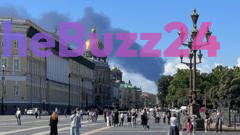
The St. Petersburg International Economic Forum (SPIEF) opened and closed under a cloud of smoke this week, as Ukrainian drone strikes targeted the host city’s infrastructure. The high-profile event, designed to showcase Russia’s economic resilience and attract foreign investment, was starkly disrupted by the reality of the ongoing conflict. Delegates arriving at the expo center were greeted by a massive plume of black smoke rising over the skyline, a vivid reminder of the war’s encroachment deep into Russian territory.
Against this backdrop of physical disruption, a diplomatic clash unfolded. Ukrainian President Volodymyr Zelensky issued an open letter to Russian President Vladimir Putin, mocking Russian military setbacks and proposing a peace summit in a neutral country. Putin quickly dismissed the offer, criticizing the letter’s tone and reiterating his commitment to the military campaign. Speaking at the forum, Putin projected an image of unwavering confidence, claiming that despite heavy sanctions and ongoing warfare, the Russian economy remains stable and resilient.
However, the polished presentations inside the exhibition halls contrasted sharply with economic realities on the ground. While Kremlin officials and friendly foreign dignitaries applauded the state’s economic performance, independent assessments paint a more challenging picture. Sanctions and massive military spending have strained the national budget, leading to stalled growth and stagnation in several sectors. Small business owners report struggling to stay afloat under high interest rates, though some domestic sectors, like local tourism, have seen unexpected growth due to travel restrictions.
The forum also featured an eclectic mix of displays, including a giant traditional “nevalyashka” tumbler doll, symbolizing Russia’s claim that it can wobble but never fall. Despite efforts to project international engagement—including the controversial presence of Rodney Mims Cook Jr., who claimed to carry greetings from Donald Trump—the event lacked high-level Western representation. US Secretary of State Marco Rubio downplayed the significance of any American attendees, emphasizing that no official high-level delegation was authorized. Ultimately, while the Kremlin seeks to project an image of an unbreakable economy, the physical and financial tolls of the war continue to cast a long shadow.
Key Takeaways
- Ukrainian drone strikes targeted St. Petersburg during the International Economic Forum, highlighting the war's physical reach into major Russian cities.
- Russian President Vladimir Putin rejected a peace summit proposal from Ukrainian President Volodymyr Zelensky, maintaining an uncompromising stance on the conflict.
- Despite official claims of economic stability and resilience, Russia faces significant domestic pressure from sanctions, high interest rates, and stalled growth.
Editor’s Analysis & Impact
The St. Petersburg International Economic Forum (SPIEF) has historically served as Russia’s premier platform to court global capital. However, the current geopolitical climate has transformed it into a theater of defiance rather than a hub for genuine international trade. The drone strikes on St. Petersburg underscore a critical shift: the war is no longer a distant event for Russia’s economic elite. While the Kremlin successfully projects short-term resilience through state-directed spending and import substitution, the long-term outlook remains grim. Stagnation, high interest rates, and a severe labor shortage driven by military mobilization are eroding the foundations of sustainable growth. For foreign investors outside of a few allied nations, the high-risk environment and lack of transparency make Russia an unviable market, suggesting that the country’s economic isolation will only deepen as the conflict drags on.
Frequently Asked Questions
Q: What is the St. Petersburg International Economic Forum (SPIEF)?
A: SPIEF is an annual Russian business event held in St. Petersburg, designed to attract foreign investment, discuss economic policies, and showcase Russia's economic potential to the global community.
Q: How did the war in Ukraine impact this year's forum?
A: The forum was directly impacted by Ukrainian drone strikes on St. Petersburg's infrastructure, creating visible smoke plumes near the venue. Additionally, the ongoing conflict and international sanctions dominated discussions, contrasting with the Kremlin's narrative of economic stability.
Q: Did any US officials attend the event?
A: While some American figures like Rodney Mims Cook Jr. attended, the US State Department clarified that there was no official, high-level US government delegation present at the forum.
AI Disclosure: This article is based on verified data and official reports. Our Team and AI have cross-referenced every financial detail with primary sources to ensure total accuracy.
More from this Category