Economic Paralysis Grips Cuba as US Sanctions Trigger Tourism Collapse and Power Crises
Cuba’s tourism industry is facing a severe crisis, with foreign visitor numbers plummeting by over 58% in the first five months of 2026 compared to the previous year. Fewer than 360,000 international travelers visited the island during this period. This dramatic decline is largely attributed to a series of aggressive economic sanctions imposed by the United States, which have directly targeted Cuba’s tourism sector—a critical source of hard currency for the island’s government.
The pressure campaign has forced major international businesses to sever ties with the Caribbean nation. Air Canada recently suspended all flights to Cuba indefinitely, citing deep political and economic instability, following an earlier suspension triggered by severe aviation fuel shortages. Furthermore, prominent Spanish hotel operators, including Meliá and Iberostar, have halted operations at numerous properties to comply with a U.S. government mandate banning transactions with Gaesa, a powerful military-aligned conglomerate. U.S. officials have accused Gaesa of monopolizing business profits to benefit a small ruling elite while suppressing domestic dissent.
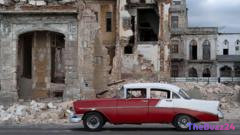
Beyond the collapse of tourism, the broader economic impact of the U.S. sanctions and an ongoing oil blockade has plunged Cuba into a humanitarian emergency. The island is grappling with acute shortages of food, medicine, and fuel, which have crippled public services like waste management and led to mountains of uncollected garbage in urban areas. Power grids are failing regularly, leaving residents with only a few hours of electricity per day. This energy crisis has even impacted religious institutions, forcing local monasteries to ration communion wafers due to restricted production capabilities.
The deteriorating conditions have sparked rare public protests across the island, despite the government’s history of handing down harsh prison sentences for public dissent. The healthcare sector is also in a critical state; the survival rate for pediatric cancer patients has dropped significantly from 85% to 65% since the beginning of the year, directly linked to the fuel and medical supply shortages exacerbated by the threat of U.S. sanctions on oil suppliers.
Key Takeaways
- Cuba experienced a 58.4% drop in foreign tourists during the first five months of 2026, driven by tightened U.S. sanctions.
- Major international brands, including Air Canada, Meliá, and Iberostar, have suspended operations in Cuba to comply with U.S. mandates targeting military-linked conglomerate Gaesa.
- Severe fuel and electricity shortages have crippled the local economy, leading to public protests, failing healthcare outcomes, and disruptions to daily life.
Editor’s Analysis & Impact
The collapse of Cuba’s tourism sector highlights the devastating efficacy of targeted economic sanctions when combined with an energy blockade. By focusing sanctions on Gaesa, the U.S. has successfully severed Cuba’s primary economic lifeline—foreign travel and hospitality. However, the collateral damage to the civilian population is immense. The resulting fuel shortages have paralyzed basic infrastructure, from waste management to healthcare, creating a volatile domestic environment. For international businesses, Cuba has transitioned from a high-potential Caribbean market to an untenable regulatory and operational risk. Moving forward, the island faces a compounding crisis: without tourism revenue or reliable energy partners, the government’s capacity to stabilize the economy is virtually non-existent, likely leading to increased migration pressures and deeper social unrest.
Frequently Asked Questions
Q: Why has tourism in Cuba declined so sharply?
A: Tourism has plummeted by over 58% due to tightened U.S. sanctions targeting the island's military-run business conglomerate, Gaesa. This has forced major international airlines and hotel chains to halt their operations in the country.
Q: What is Gaesa, and why is it targeted by sanctions?
A: Gaesa is a powerful conglomerate controlled by the Cuban armed forces that dominates the island's tourism and retail sectors. U.S. officials target Gaesa to prevent funds from flowing to the Cuban military and ruling elite.
Q: How are the fuel shortages affecting daily life in Cuba?
A: The lack of fuel has caused widespread power outages, halted public services like garbage collection, disrupted medical treatments for critical illnesses, and even forced religious institutions to ration basic items like communion wafers.
AI Disclosure: This article is based on verified data and official reports. Our Team and AI have cross-referenced every financial detail with primary sources to ensure total accuracy.
More from this Category