Eli Lilly Secures $2.8 Billion Acquisition of Psychedelic Drugmaker AtaiBeckley to Pioneer Next-Gen Mental Health Treatments
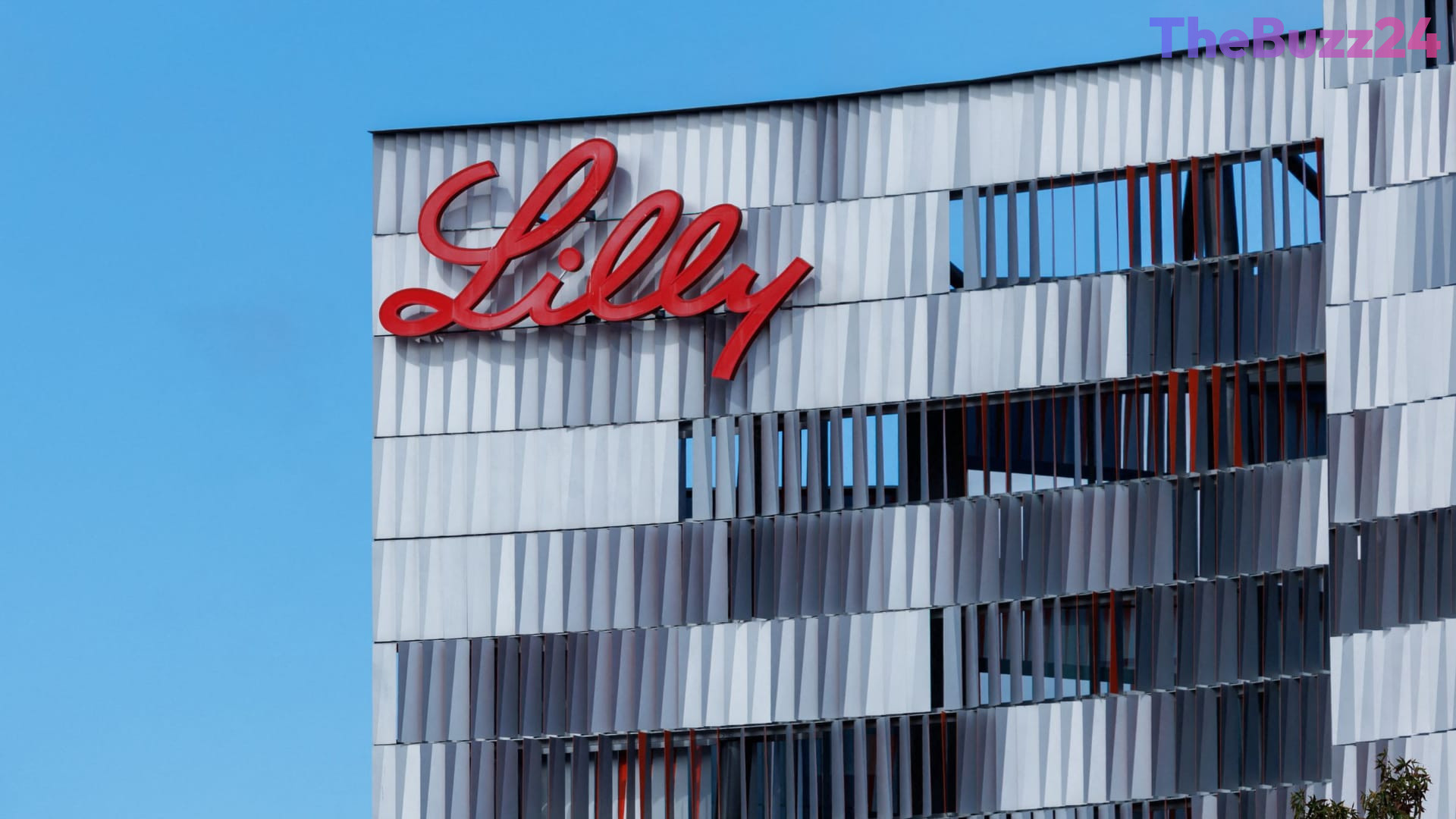
Pharmaceutical giant Eli Lilly has agreed to acquire AtaiBeckley, a clinical-stage biopharmaceutical company specializing in psychedelic-based therapies, in a deal valued at $2.8 billion upfront. Under the terms of the agreement, Lilly will pay $6.75 per share in cash—representing a 26% premium over AtaiBeckley’s recent closing price—with the potential for an additional $1 billion in milestone-based payments. This strategic move grants Lilly access to a promising pipeline of experimental treatments targeting severe mental health conditions, including depression and post-traumatic stress disorder.
At the center of the acquisition is AtaiBeckley’s lead candidate, BPL-003, a nasal spray formulation derived from dimethyltryptamine (DMT). Currently undergoing Phase 3 clinical trials for treatment-resistant depression, BPL-003 is designed for administration in a clinical setting under brief medical supervision. Unlike traditional daily antidepressants that slowly alter brain chemistry, this psychedelic compound aims to rapidly stimulate neural plasticity, potentially offering long-lasting relief with just a few sessions per year. Initial Phase 3 data for the treatment is anticipated by 2029.
This acquisition marks a significant return to Lilly’s historical roots in psychiatry, famously established by its blockbuster antidepressant Prozac decades ago. While Prozac revolutionized depression treatment in its era, Lilly’s leadership views psychedelic medicine as the next frontier, capable of physically rewiring neural connections rather than merely adjusting neurotransmitter levels. The transaction also highlights Lilly’s aggressive expansion strategy, as the company has committed over $10 billion upfront to late-stage acquisitions this year, leveraging its position as the world’s most valuable healthcare company to secure high-potential therapies.
Key Takeaways
- Eli Lilly is acquiring psychedelic drug developer AtaiBeckley for $2.8 billion upfront, with up to $1 billion in additional milestone payments.
- The acquisition centers on BPL-003, a Phase 3 DMT-based nasal spray designed to treat treatment-resistant depression by promoting neural plasticity.
- This deal represents a major expansion of Eli Lilly's mental health portfolio, building on its legacy established by the blockbuster drug Prozac.
Editor’s Analysis & Impact
Eli Lilly’s acquisition of AtaiBeckley represents a watershed moment for the psychedelic medicine sector, signaling that major pharmaceutical companies are ready to validate and commercialize these once-stigmatized compounds. By targeting treatment-resistant depression with fast-acting, neuroplasticity-promoting therapies like DMT and MDMA derivatives, Lilly is positioning itself to disrupt a mental health market that has seen minimal fundamental innovation since the SSRI boom of the late 20th century. Furthermore, this deal underscores Lilly’s broader corporate strategy of deploying its massive capital reserves—largely bolstered by its highly successful GLP-1 weight-loss drugs—into late-stage, de-risked clinical assets. As regulatory pathways for psychedelics become clearer and political support grows, this transaction is likely to trigger a wave of consolidation, forcing other big pharma competitors to seek their own footholds in the emerging psychedelic therapeutics landscape.
Frequently Asked Questions
Q: What is the primary drug Eli Lilly is acquiring through this deal?
A: The primary asset is BPL-003, an experimental nasal spray based on DMT (dimethyltryptamine) currently in Phase 3 clinical trials for treatment-resistant depression.
Q: How does AtaiBeckley's psychedelic treatment differ from traditional antidepressants?
A: Traditional antidepressants like Prozac work by gradually adjusting neurotransmitter levels in the brain. In contrast, psychedelic treatments like BPL-003 aim to rapidly stimulate neural plasticity, helping the brain form new neural connections to provide long-lasting relief after only a few administrations.
Q: What are the financial terms of the acquisition?
A: Eli Lilly is paying $2.8 billion upfront ($6.75 per share in cash), with the potential for an additional $1 billion ($2.50 per share) if certain development and regulatory milestones are met.
AI Disclosure: This article is based on verified data and official reports. Our Team and AI have cross-referenced every financial detail with primary sources to ensure total accuracy.
More from this Category