Escalating Iran Conflict: $47 Billion Price Tag and Trump’s Ultimatum
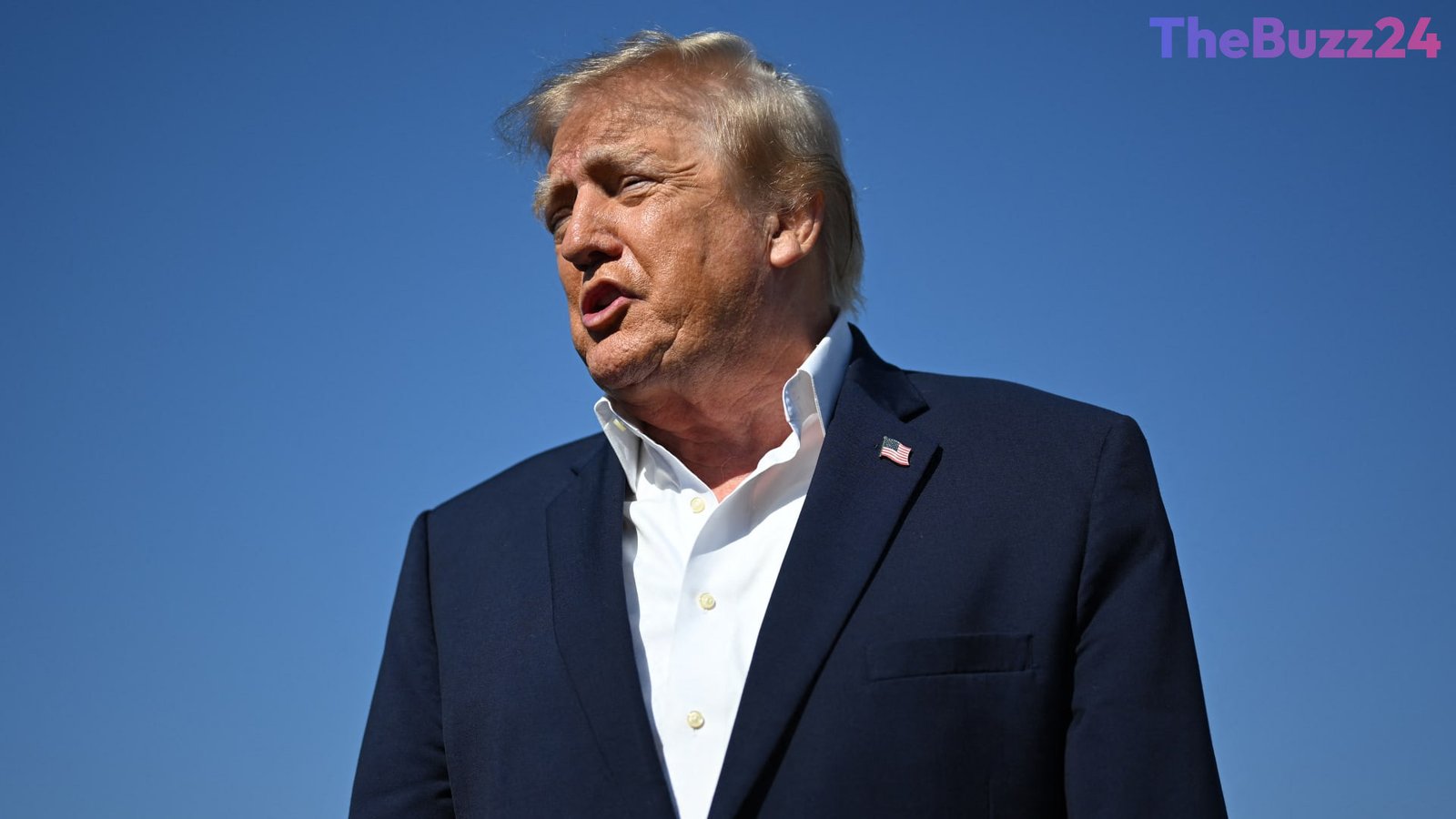
Former U.S. President Donald Trump has reiterated his firm stance on the ongoing conflict with Iran, asserting that its conclusion rests solely on his decision, while simultaneously emphasizing that Tehran must never acquire nuclear weapons. This declaration comes amidst mounting financial pressures, with reports indicating the conflict’s costs have surged to an estimated $47 billion.
The financial burden of the protracted engagement is substantial, with analyses suggesting the war has cost American families approximately $2,000 each since its inception. This figure is attributed to several factors, including an estimated $1,100 from elevated energy costs, $540 from increased interest rates, and $360 due to heightened military expenditures. A significant portion of the overall $47 billion price tag, specifically $29 billion, has been allocated to munitions replacements, leading to reported shortfalls in U.S. ammunition stockpiles despite previous assurances of ample supply. Furthermore, the conflict has resulted in an estimated $184 million in damages to U.S. diplomatic facilities and military bases across Iraq, Kuwait, Saudi Arabia, and the United Arab Emirates, a figure not included in the primary cost estimate.
The former president’s statements and the escalating costs unfold against a backdrop of domestic political challenges, including near-record low approval ratings and concerns over rising energy prices and affordability ahead of upcoming midterm elections. Diplomatic tensions have also seen the evacuation of U.S. personnel from Saudi Arabia, while military planners are reportedly considering options for “short but intensive” operations against Iran following the elections. Trump has indicated that a decision is imminent on whether to pursue a diplomatic “deal” with Iran or to “finish it off” militarily.
Key Takeaways
- The Iran conflict has reportedly cost $47 billion, with an additional $184 million in damages to Middle East military bases.
- Former President Donald Trump maintains that he will decide when the conflict ends, while insisting Iran must not acquire nuclear weapons.
- The ongoing conflict is estimated to have cost American families an average of $2,000, primarily due to higher energy costs, increased interest rates, and military spending.
Editor’s Analysis & Impact
The escalating costs of the Iran conflict, reaching $47 billion, highlight significant financial strain on the U.S. economy and its citizens. This substantial expenditure, particularly on munitions, could impact defense industry supply chains and potentially lead to increased inflation or higher taxes. Geopolitically, the situation signals continued instability in the Middle East, with potential for further military escalation or diplomatic breakthroughs depending on future policy decisions. Domestically, the financial burden and ongoing conflict could influence public opinion and upcoming elections, especially given concerns over energy prices and affordability. The broader implications include a re-evaluation of U.S. foreign policy engagements and military spending priorities.
Frequently Asked Questions
Q: What is the estimated cost of the Iran conflict mentioned in the article?
A: The conflict is estimated to have cost $47 billion, with an additional $184 million in damages to U.S. diplomatic facilities and military bases in the Middle East.
Q: How has the Iran conflict impacted American families financially?
A: According to economic analysis, the conflict has cost American families an average of $2,000, primarily driven by higher energy costs, increased interest rates, and heightened military spending.
Q: What is Donald Trump's stance on ending the Iran conflict?
A: Donald Trump has stated that he will decide when the conflict ends, emphasizing that Iran must never possess nuclear weapons. He indicated a decision would be made soon on whether to "make a deal" or "finish it off."
AI Disclosure: This article is based on verified data and official reports. Our Team and AI have cross-referenced every financial detail with primary sources to ensure total accuracy.
More from this Category