Escalating Tensions in the Strait of Hormuz: U.S. Strikes and Iranian Retaliation Disrupt Global Energy Flows
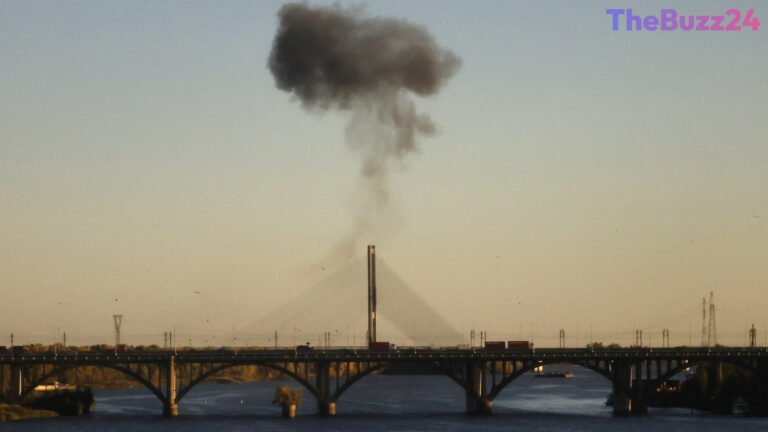
The United States has concluded a third consecutive night of military operations targeting Iranian coastal defense systems, missile sites, and drone infrastructure. The five-hour mission, conducted by U.S. Central Command, was aimed at degrading Iran’s capacity to threaten commercial maritime traffic. This military escalation follows a directive from the U.S. government to reinstate a blockade in the Strait of Hormuz, accompanied by a proposed 20% toll for vessels navigating the critical energy corridor.
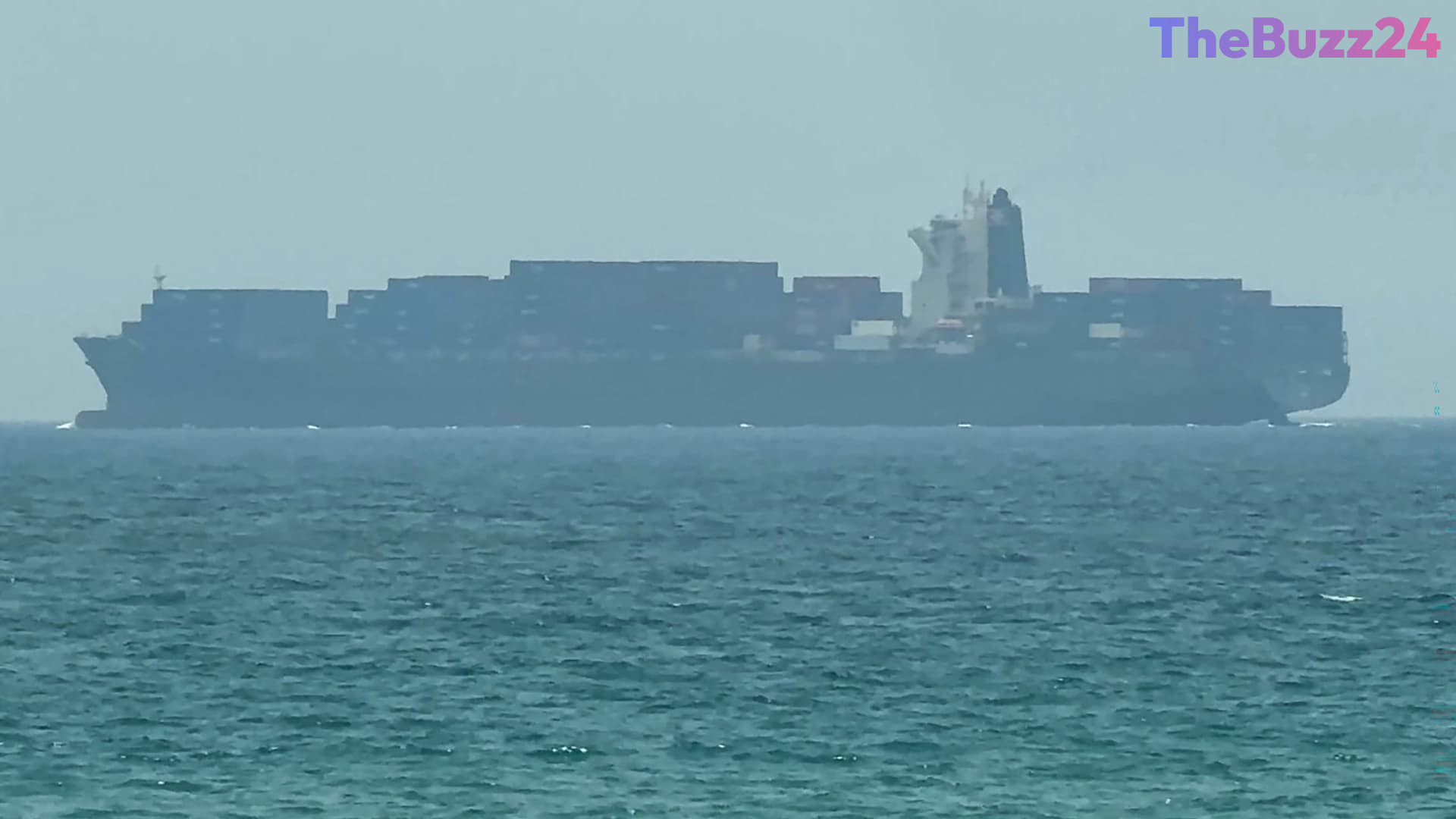
In a swift response, Iranian forces launched strikes against Gulf neighbors, specifically targeting the United Arab Emirates and Bahrain. The UAE Defense Ministry confirmed that two national tankers, the Mombasa and the Al Bahiyah, were struck by cruise missiles while navigating the southern lane of the strait. The attack resulted in the death of one crew member and left eight others injured, prompting the UAE to declare a state of high military readiness. Simultaneously, Bahrain activated missile-alert sirens as the regional conflict intensified.
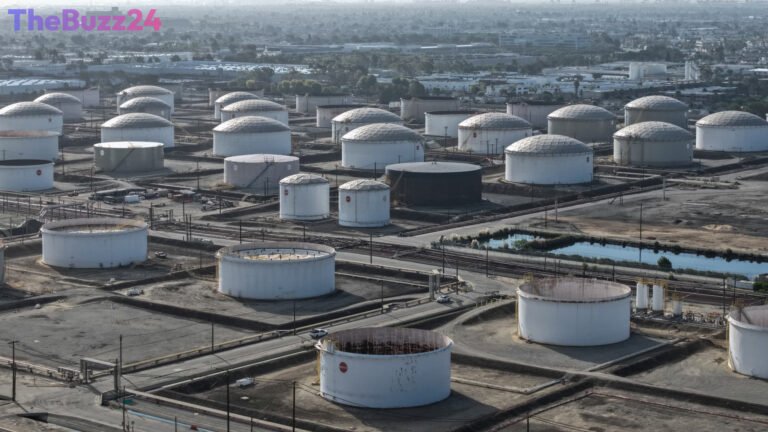
The renewed hostilities have effectively collapsed the interim ceasefire agreement that was intended to facilitate 60 days of diplomatic negotiations. As a direct consequence, global energy markets have reacted sharply, with Brent crude prices climbing 2% to $85 per barrel and U.S. West Texas Intermediate rising 2.3% to $80. Shipping activity through the Strait of Hormuz has plummeted, with data indicating a 52% decline in crossings as vessel operators shift toward defensive routing or pause transits entirely due to surging war risk premiums.
Key Takeaways
- U.S. military strikes have targeted Iranian defense infrastructure for three consecutive nights, leading to retaliatory missile attacks on UAE tankers and Bahrain.
- The collapse of the recent U.S.-Iran ceasefire has caused a 52% drop in maritime traffic through the Strait of Hormuz, a vital global energy artery.
- Global oil prices have spiked significantly, with Brent crude reaching $85 per barrel amid fears of sustained supply chain disruptions.
Editor’s Analysis & Impact
The current escalation in the Strait of Hormuz represents a critical inflection point for global energy security. By targeting commercial tankers and threatening the transit of roughly 20% of the world’s oil and gas, Iran has effectively weaponized the waterway, forcing a massive re-evaluation of maritime risk. The U.S. decision to impose a blockade and toll system further complicates the geopolitical landscape, likely leading to a prolonged period of volatility in energy markets. Moving forward, the industry should expect sustained increases in insurance premiums and a permanent shift in shipping logistics as companies seek to bypass the region. If diplomatic channels remain closed, the risk of a broader regional conflict will continue to exert upward pressure on commodity prices and threaten the stability of global supply chains.
Frequently Asked Questions
Q: Why is the Strait of Hormuz significant to the global economy?
A: The Strait of Hormuz is one of the world's most important oil chokepoints, as a significant portion of the global supply of oil and liquefied natural gas passes through this narrow waterway daily.
Q: How have the recent attacks affected shipping operations?
A: Shipping traffic has declined by over 50% as vessel operators are increasingly avoiding the area or adopting defensive, non-standard routes to mitigate the risk of being targeted by military strikes.
AI Disclosure: This article is based on verified data and official reports. Our Team and AI have cross-referenced every financial detail with primary sources to ensure total accuracy.
More from this Category