Escalating Tensions: Russian Drone Strikes Target Critical Kyiv Infrastructure
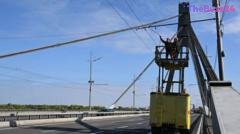
Russian forces have intensified their aerial campaign against Ukraine’s capital, striking a second major bridge in Kyiv this weekend. Mayor Vitaliy Klitschko confirmed that the Pivnichnyi (Northern) Bridge sustained damage to its road surface and overhead trolleybus lines during a Saturday morning drone attack, resulting in significant traffic disruptions. This follows a series of strikes earlier in the week against the Pivdennyi (Southern) Bridge, marking a strategic shift in Moscow’s approach to the conflict.
The two bridges serve as vital arteries across the Dnipro River, connecting the eastern and western sectors of the city. By targeting these structures, Russian forces are effectively disrupting logistics, public transport, and the movement of military and civilian cargo. While experts suggest that current drone capabilities may not be sufficient to collapse the bridges entirely, repeated strikes threaten to weaken their structural integrity and force prolonged closures, potentially isolating sections of the city of three million people.
In response to the deteriorating situation, Ukrainian officials have begun discussing contingency measures, including the deployment of temporary pontoon bridges and ferry services to maintain connectivity. President Volodymyr Zelensky has characterized these actions as a broader attempt to force a humanitarian crisis and encourage mass displacement. Meanwhile, the Kremlin has framed the strikes as a retaliatory measure against Ukrainian operations targeting Russian energy infrastructure and naval assets in the Black Sea.
The regional impact of the conflict continues to widen, with reports of casualties in the Odesa region and incidents involving airspace violations in neighboring Moldova. As the winter months approach, the focus on critical infrastructure remains a central pillar of the ongoing hostilities, with both sides signaling that the conflict is entering a more aggressive phase of attrition.
Key Takeaways
- Russian forces have targeted two major bridges in Kyiv, disrupting essential transport links across the Dnipro River.
- Ukrainian authorities are developing contingency plans, such as pontoon bridges, to mitigate the risk of the city being effectively cut in two.
- The Kremlin describes these strikes as retaliation for Ukrainian attacks on Russian oil refineries and naval vessels.
Editor’s Analysis & Impact
The targeting of Kyiv’s bridge infrastructure represents a significant escalation in the tactical landscape of the war. By moving beyond energy grids to focus on physical logistics, Russia is attempting to paralyze the capital’s internal mobility, which serves both military and civilian functions. This strategy aims to create a ‘siege’ atmosphere, forcing the Ukrainian government to divert resources toward emergency infrastructure repairs rather than frontline operations. The long-term implication is a potential shift toward a war of attrition where the sustainability of urban life becomes a primary battlefield. If these bridges are rendered unusable, the economic and social cost to Kyiv will be immense, likely forcing a shift in how the city manages its population and supply chains. The international community remains concerned that such strikes on civilian infrastructure will continue to exacerbate the humanitarian crisis in the region.
Frequently Asked Questions
Q: Why is Russia targeting bridges in Kyiv?
A: Russia claims these strikes are a direct response to Ukrainian attacks on Russian oil refineries and naval ships, aiming to disrupt logistics and military supply routes.
Q: What is the impact of these bridge strikes on Kyiv residents?
A: The strikes have caused significant traffic congestion and threaten to sever the connection between the eastern and western parts of the city, complicating daily commutes and the delivery of essential services.
AI Disclosure: This article is based on verified data and official reports. Our Team and AI have cross-referenced every financial detail with primary sources to ensure total accuracy.
More from this Category