Escalating Tensions: US Launches Sustained Strikes Against Iranian Military Infrastructure
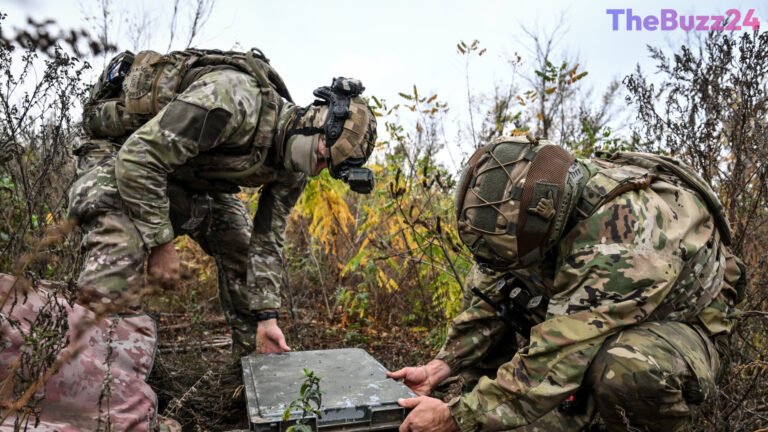
The United States military has initiated a fresh wave of airstrikes targeting Iranian assets, marking the tenth consecutive night of operations aimed at degrading Tehran’s ability to threaten maritime traffic in the Strait of Hormuz. These actions follow a firm commitment from President Donald Trump to hold Iran accountable for the recent deaths of American service members in Jordan and Iraq, with the administration vowing that the nation would face significant consequences for the loss of life.
In response to the ongoing campaign, Iranian President Masoud Pezeshkian has characterized the current situation as a full-scale conflict. Iranian military forces have reportedly engaged in retaliatory actions across the region, with reports of missile interceptions over Jordan and drone activity detected near Kuwait and Bahrain. While Tehran claims that its strikes have targeted specific regional sites, it maintains that back-channel diplomatic communications remain active despite the breakdown of previous ceasefire agreements.
The situation remains volatile as both nations trade accusations regarding the safety of critical infrastructure. Iranian state media reported explosions involving two oil tankers navigating the Strait of Hormuz, an event the Islamic Revolutionary Guard Corps attributed to the vessels utilizing hazardous routes. Conversely, United States Central Command has disputed these claims, maintaining that the strikes are focused exclusively on military capabilities designed to disrupt international shipping lanes.
Key Takeaways
- The US has conducted ten consecutive nights of strikes against Iranian military targets to protect maritime shipping in the Strait of Hormuz.
- President Donald Trump has vowed significant retaliation following the deaths of US soldiers in Jordan and Iraq.
- Regional instability is rising as Iran reports a 'full-scale war' while simultaneously engaging in back-channel diplomatic talks.
Editor’s Analysis & Impact
The current escalation between the United States and Iran represents a critical inflection point for global energy markets and regional security. By targeting Iranian military infrastructure, the US is attempting to secure the Strait of Hormuz—a vital chokepoint for global oil transit. However, the declaration of a ‘full-scale war’ by Iranian leadership suggests that the conflict is moving beyond localized skirmishes into a broader, more unpredictable confrontation. The primary risk for the global economy lies in the potential for sustained disruption to oil supply chains, which could trigger significant price volatility. Moving forward, the effectiveness of back-channel diplomacy will be the deciding factor in whether this conflict remains contained or spirals into a wider regional war that could draw in neighboring states and further destabilize the Middle East.
Frequently Asked Questions
Q: Why is the US targeting Iranian sites in the Strait of Hormuz?
A: The US military is targeting these sites to degrade Iran's capability to threaten or disrupt international shipping lanes, which are critical for global trade and energy transport.
Q: Are there any diplomatic efforts currently underway to stop the fighting?
A: Yes, despite the collapse of formal ceasefires, both the US and Iran have indicated that diplomatic messages are still being exchanged through intermediaries.
AI Disclosure: This article is based on verified data and official reports. Our Team and AI have cross-referenced every financial detail with primary sources to ensure total accuracy.
More from this Category