Escalating Violence: Car Bomb Attack Rocks Colombian City Center
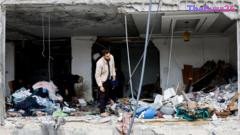
A powerful car bomb detonated in the heart of Villavicencio, Colombia, on Monday evening, causing significant structural damage to government offices and leaving more than 20 people injured. The explosion, which occurred in the city center, marks a violent escalation in a series of recent attacks targeting official buildings and security installations across the nation.
President Abelardo de la Espriella has attributed the blast to “narcoterrorism,” signaling a firm stance against the armed criminal groups currently challenging state authority. While no organization has claimed responsibility for the Villavicencio attack, it follows a pattern of aggression that includes recent drone-based explosive strikes in Cúcuta and a deadly car bombing near army barracks in Tolima province. The President has vowed a forceful response, asserting that his administration will not retreat in the face of such violence.
The timing of the attack is particularly symbolic, occurring on the eve of the 10th anniversary of the peace agreement between the Colombian government and the Revolutionary Armed Forces of Colombia (Farc). Although the 2016 deal aimed to end decades of conflict, the rise of Farc dissident factions and various criminal syndicates vying for control over drug trafficking, illegal mining, and extortion has undermined regional stability. President de la Espriella, who has publicly criticized the 2016 peace deal as a failure, is now facing intense pressure to restore order as his “total peace” strategy faces significant hurdles.
Key Takeaways
- A car bomb in Villavicencio injured over 20 people and damaged government infrastructure.
- The attack is part of a broader surge in violence by criminal groups and Farc dissidents targeting security forces.
- President de la Espriella has condemned the violence as 'narcoterrorism' and pledged a hardline security response.
Editor’s Analysis & Impact
The resurgence of violence in Colombia highlights the fragility of post-conflict stability when state presence remains contested by well-funded criminal syndicates. The shift from the previous administration’s ‘total peace’ negotiation strategy to President de la Espriella’s hardline approach marks a pivotal moment for the country’s internal security policy. Investors and international observers should anticipate increased military spending and potential volatility in regions where illegal mining and drug trafficking are prevalent. The failure of previous ceasefires suggests that the current administration faces a difficult path; if the government cannot effectively dismantle the economic power of these dissident groups, the cycle of retaliatory violence is likely to persist, potentially deterring foreign investment and complicating long-term social development goals.
Frequently Asked Questions
Q: What is the primary cause of the recent surge in violence in Colombia?
A: The violence is largely driven by Farc dissident factions and criminal groups fighting for control over lucrative illegal activities, including drug trafficking, illegal mining, and extortion rackets.
Q: How does the current administration view the 2016 peace deal?
A: President Abelardo de la Espriella has been highly critical of the 2016 peace agreement, labeling it a 'false peace' and a 'waste of public resources,' arguing that it has contributed to the current state of instability.
AI Disclosure: This article is based on verified data and official reports. Our Team and AI have cross-referenced every financial detail with primary sources to ensure total accuracy.
More from this Category