Ethiopia’s Political Landscape Shifts Amid Rising Fears of Renewed Conflict
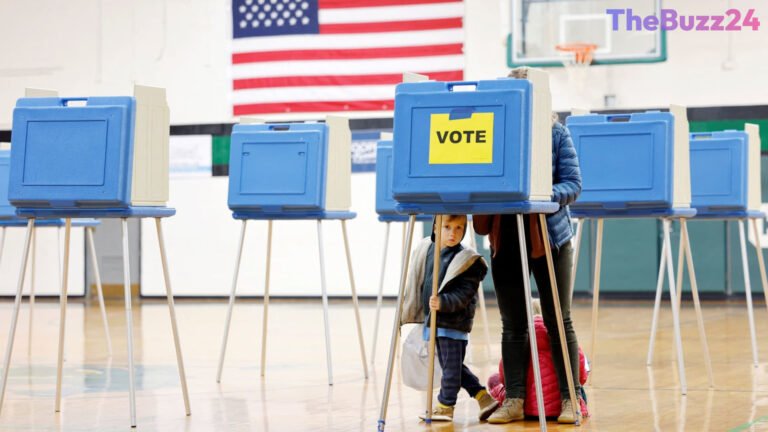
Prime Minister Abiy Ahmed has secured a landslide victory in Ethiopia’s recent general election, with his Prosperity Party capturing 438 of the 501 contested parliamentary seats. While the result solidifies Abiy’s mandate to continue his economic agenda, the electoral process was marred by significant security challenges, allegations of political repression, and the complete exclusion of the Tigray region, which remains in a fragile state following a devastating two-year civil war that concluded in 2022.
Despite Abiy’s initial reputation as a reformer and his 2019 Nobel Peace Prize, the nation is currently grappling with deep-seated internal divisions. Armed insurgencies in the Amhara and Oromia regions continue to destabilize the country, leading to the closure of over 140 polling stations on election day. Critics and security experts warn that the government’s consolidation of power may exacerbate these tensions rather than resolve them, particularly as relations between Addis Ababa and regional factions remain at a breaking point.
The geopolitical situation is further complicated by shifting alliances in the Horn of Africa. Tensions have spiked between Ethiopia and its neighbor, Eritrea, over access to the Red Sea, while accusations of Ethiopian involvement in the Sudanese civil war have added another layer of volatility. Within Tigray, the restoration of pre-war administrative structures and reports of military recruitment have prompted international concern, with the United States recently imposing visa restrictions on individuals deemed to be undermining the peace process.
As the government prepares for a new term, the path forward remains uncertain. While some analysts believe a full-scale return to war is not imminent, the combination of polarized regional politics, mutual distrust between the central government and the Tigrayan People’s Liberation Front (TPLF), and the failure of diplomatic negotiations creates a dangerous environment. The coming months will likely serve as a critical test for whether the administration chooses to pursue further consolidation of power or seeks a genuine path toward national reconciliation.
Key Takeaways
- Prime Minister Abiy Ahmed’s Prosperity Party won a landslide victory, securing 438 out of 501 seats in a poll marked by low participation and security issues.
- The Tigray region was entirely excluded from the election, and rising tensions between the central government and regional factions have sparked fears of a return to civil conflict.
- International observers, including the U.S. and the EU, have expressed concern over the potential for regional escalation, citing military recruitment and the breakdown of the 2022 peace agreement.
Editor’s Analysis & Impact
The political consolidation of the Prosperity Party under Abiy Ahmed presents a paradox for Ethiopia’s future. While the electoral victory provides a clear mandate for economic policy, it simultaneously risks alienating regional power centers that feel increasingly marginalized. The market impact of this instability is significant; foreign investment remains hesitant due to the persistent threat of conflict and the erosion of the 2022 peace deal. Furthermore, Ethiopia’s aggressive rhetoric regarding Red Sea access has strained regional diplomacy, potentially isolating the nation from its neighbors. The future outlook suggests a period of high volatility where the government must balance its desire for centralized control against the necessity of inclusive governance. Failure to address the grievances of the Amhara, Oromia, and Tigray regions could lead to a protracted period of low-level insurgency that threatens to derail the country’s long-term economic development.
Frequently Asked Questions
Q: Why was the Tigray region excluded from the recent Ethiopian election?
A: The region was excluded due to ongoing security concerns and the lingering instability following the two-year civil war that ended in 2022, making it impossible to conduct a safe and representative vote.
Q: What are the primary concerns regarding the 2022 peace agreement?
A: Both the Ethiopian government and the Tigrayan People's Liberation Front (TPLF) have accused each other of violating the terms of the agreement, with reports of military recruitment and threatening rhetoric undermining the fragile peace.
AI Disclosure: This article is based on verified data and official reports. Our Team and AI have cross-referenced every financial detail with primary sources to ensure total accuracy.
More from this Category