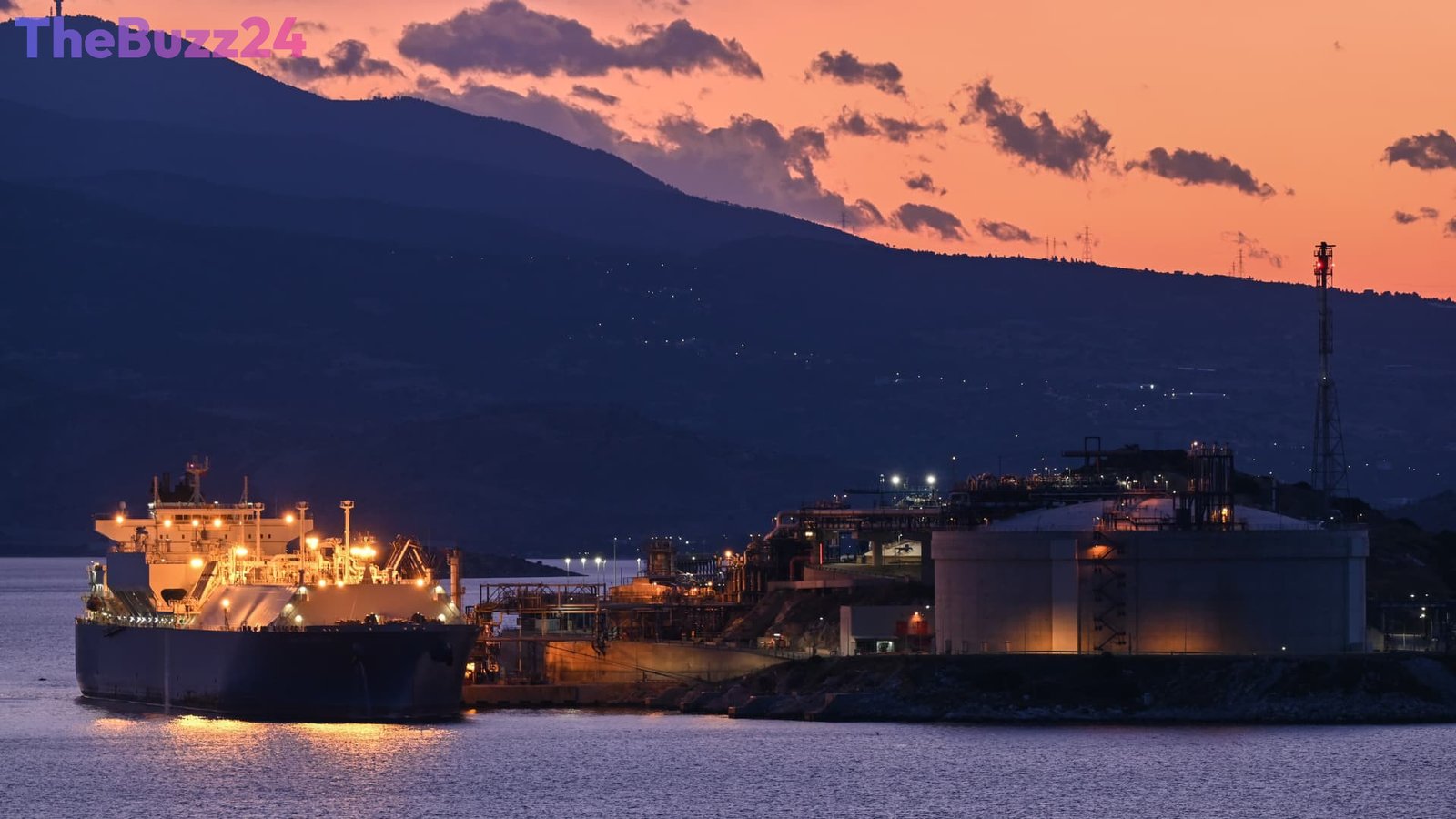
Europe Braces for Winter as Gas Reserves Hit Historic Lows, Prices Poised to Soar
European natural gas prices are on a trajectory to potentially surpass 100 euros per megawatt-hour this winter, a level not seen since the energy crisis sparked by the conflict in Ukraine. Analysts warn that this surge is driven by a confluence of factors, including historically low storage levels, disruptions to key supply routes, and increased demand from a sweltering summer.
The continent’s gas inventories are currently at approximately 63% capacity, significantly below the five-year average. This precarious situation is exacerbated by disruptions to liquefied natural gas (LNG) exports from the Middle East, particularly via the Strait of Hormuz, a critical chokepoint for global energy trade. Key producers in the Gulf region have seen their exports curtailed during Europe’s crucial gas-storage refill period, directly impacting the continent’s ability to build reserves ahead of the colder months.
Compounding the supply-side challenges, Europe experienced an unusually hot summer, which boosted demand for energy-intensive cooling systems. Simultaneously, weather patterns have hampered alternative energy sources. Reduced nuclear power generation due to heatwaves and consistently weak wind power output over the summer have further increased reliance on natural gas, which still accounts for a substantial portion of the EU’s electricity generation.
Experts suggest that prices could range between 90 and 120 euros per megawatt-hour if a cold winter combines with persistent supply constraints. To secure sufficient gas supplies, Europe may need to outbid Asian markets for flexible LNG shipments from the United States, a scenario that would necessitate prices exceeding 100 euros to effectively curb Asian demand. The situation remains volatile, with geopolitical tensions in the Middle East and the pace of recovery in LNG exports being critical variables that could influence market dynamics and consumer costs throughout the winter.
Key Takeaways
- European natural gas prices may exceed 100 euros/MWh this winter due to low storage and supply disruptions.
- Disruptions in the Strait of Hormuz and high summer demand have depleted Europe's gas reserves.
- Competition with Asia for U.S. LNG will intensify, potentially driving prices higher and impacting industrial consumption.
Editor’s Analysis & Impact
The current state of Europe’s natural gas reserves presents a significant challenge for the upcoming winter. The confluence of geopolitical instability affecting Middle East supply routes, coupled with weather-related impacts on both demand and alternative energy sources, has created a perfect storm. The reliance on U.S. LNG highlights the global interconnectedness of energy markets and the potential for price volatility. Should prices indeed climb above 100 euros/MWh, the economic impact on European industries and households could be substantial, potentially leading to demand destruction and a renewed focus on energy efficiency and diversification strategies. The long-term outlook hinges on the normalization of Middle East exports and the development of new energy infrastructure.
Frequently Asked Questions
Q: Why are Europe's gas stores running low?
A: Europe's gas stores are low due to a combination of factors including disruptions to LNG exports from the Middle East via the Strait of Hormuz, increased energy demand from a hot summer, and reduced output from alternative energy sources like nuclear and wind power.
Q: What is the potential impact of low gas reserves on prices?
A: Analysts predict that low gas reserves, coupled with potential cold weather and ongoing supply constraints, could push natural gas prices above 100 euros per megawatt-hour this winter, a level not seen since the 2022 energy crisis.
Q: How might Europe secure enough gas for the winter?
A: To ensure adequate supply, Europe may need to compete more aggressively for liquefied natural gas (LNG) from the United States, potentially requiring higher prices to attract these cargoes away from Asian markets.
AI Disclosure: This article is based on verified data and official reports. Our Team and AI have cross-referenced every financial detail with primary sources to ensure total accuracy.
More from this Category