Europe Faces Historic Wildfire Crisis Amid Record-Breaking Heatwaves
Europe is currently grappling with one of its most severe wildfire seasons in decades, as extreme heatwaves push temperatures beyond 40C (104F) across the continent. France and Spain have been hit particularly hard, with authorities reporting unprecedented destruction that has forced mass evacuations and threatened critical infrastructure. In the Gironde region of France, near Bordeaux, fires have consumed over 162 square miles in less than a week, displacing more than 200,000 residents and encroaching upon sensitive industrial and military sites.
Spain is facing a similarly dire situation, with officials in Madrid describing the current blazes as the most destructive in the region’s history. The fires have collectively scorched nearly 300 square miles of land, an area exceeding the size of the capital city itself. The intensity of these fires has reached such extreme levels that they have triggered rare ‘fire thunderstorms’—cumulonimbus clouds formed by rising heat and smoke that can generate their own lightning, potentially sparking new, unpredictable ignition points.
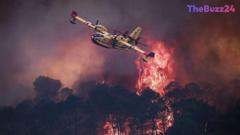
Emergency response efforts are operating at maximum capacity, involving thousands of firefighters, military personnel, and specialized aerial units. Teams are utilizing advanced techniques, including the deployment of Canadair water-scooping aircraft and the creation of massive firebreaks—strips of land cleared of vegetation to starve the flames of fuel. Despite these efforts, local officials have expressed concerns regarding the availability of sufficient resources to contain the rapidly shifting fronts, especially as weather forecasts suggest continued dry, high-pressure conditions that favor further fire growth.
Climate change is widely cited as a primary driver for the increased frequency and intensity of these events. The combination of prolonged drought and record-breaking temperatures has created a tinderbox environment, making traditional containment strategies increasingly difficult. As the continent braces for further heat, the focus remains on protecting populated areas and critical infrastructure while managing the long-term environmental and economic fallout of these historic blazes.
Key Takeaways
- France and Spain are experiencing their worst wildfire seasons in decades, fueled by record-breaking heatwaves and climate-driven drought conditions.
- The intensity of the fires has led to the formation of rare 'fire thunderstorms,' which create their own lightning and complicate containment efforts.
- Emergency services are struggling to keep pace with the scale of the destruction, despite deploying thousands of personnel and specialized aerial firefighting equipment.
Editor’s Analysis & Impact
The current wildfire crisis in Europe serves as a stark indicator of the escalating risks posed by climate change to developed economies. Beyond the immediate humanitarian and environmental toll, these fires threaten critical infrastructure, including military and industrial facilities, which could have long-term implications for regional security and supply chains. The emergence of ‘fire thunderstorms’ highlights a shift toward more volatile and unpredictable weather patterns that challenge existing emergency management protocols. Looking ahead, European nations will likely need to significantly increase investment in fire prevention technology, forest management, and cross-border emergency cooperation. The economic impact—ranging from the loss of tourism revenue in regions like Bordeaux to the massive costs of firefighting and reconstruction—will likely force a re-evaluation of land-use policies and climate adaptation strategies across the European Union.
Frequently Asked Questions
Q: What is a 'fire thunderstorm'?
A: A fire thunderstorm occurs when intense heat from a wildfire causes air to rise rapidly, carrying smoke and water vapor into the atmosphere. This can form a cumulonimbus cloud that may produce lightning, potentially starting new fires.
Q: What is a firebreak?
A: A firebreak is a gap in vegetation or other combustible material that acts as a barrier to slow or stop the progress of a wildfire.
AI Disclosure: This article is based on verified data and official reports. Our Team and AI have cross-referenced every financial detail with primary sources to ensure total accuracy.
More from this Category