Evergrande Founder Hui Ka Yan Sentenced to Life in Prison Following Massive Financial Collapse
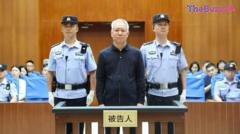
The founder of Evergrande, the prominent real estate enterprise at the epicentre of China’s severe housing market downturn, has received a life sentence alongside the complete confiscation of his personal assets. Hui Ka Yan entered a guilty plea earlier in April, admitting to multiple offenses that included corporate bribery and the embezzlement of company assets. In addition to Hui’s imprisonment, the Shenzhen Intermediate People’s Court imposed a collective fine of 15.82 billion yuan on his former corporate entities for serious financial crimes, which encompassed debt concealment and record falsification.
Once celebrated as Asia’s wealthiest individual, Hui’s trajectory shifted dramatically from his humble rural upbringing to establishing Evergrande in 1996. Through aggressive, debt-fuelled expansion strategies, he propelled the firm to become China’s largest real estate developer, boasting a market valuation exceeding $50 billion at its peak. However, the conglomerate’s fortunes reversed sharply after Beijing instituted stringent debt-control regulations in 2020. Struggling to service its massive liabilities, the company resorted to steep property discounts before ultimately collapsing in 2021, leaving behind hundreds of unfinished housing projects and millions of dollars in misdirected pre-sale funds.
The landmark ruling also handed down prison terms ranging from 22 months to 18 years to several other high-ranking Evergrande executives, including Hui’s sons. Evergrande’s eventual delisting from the Hong Kong exchange in August 2025 marked the final chapter for a company whose implosion severely shook investor confidence, domestic banking institutions, and the broader Chinese economy, where real estate historically accounted for roughly a third of gross domestic product.
Key Takeaways
- Evergrande founder Hui Ka Yan has been sentenced to life in prison and had his personal property confiscated.
- The Shenzhen Intermediate People's Court fined Evergrande's former companies 15.82 billion yuan for falsifying records and concealing debt.
- The collapse of Evergrande, once China's biggest developer, triggered a wider real estate slump that continues to impact the nation's economy.
Editor’s Analysis & Impact
The sentencing of Hui Ka Yan marks a symbolic and severe regulatory milestone in China’s ongoing efforts to clean up its leveraged property sector. While the punishment provides a sense of legal closure, the broader economic fallout of Evergrande’s collapse continues to cast a long shadow over China’s financial stability. The real estate sector, historically a massive engine of domestic growth, remains under heavy pressure as consumer confidence struggles to recover and other developers grapple with similar liquidity crises. Moving forward, Beijing’s aggressive stance signals a permanent end to the era of unchecked, debt-financed property expansion, forcing the industry into a painful structural transition toward sustainable, lower-risk growth models.
Frequently Asked Questions
Q: What charges was Hui Ka Yan convicted of?
A: Hui Ka Yan pleaded guilty to multiple charges, including embezzlement of assets and corporate bribery, alongside corporate crimes committed by his former companies such as falsifying records and concealing debt.
Q: How did Evergrande become so successful before its collapse?
A: Evergrande grew rapidly through an aggressive expansion strategy funded by massive amounts of borrowed money, eventually becoming China's largest real estate developer.
Q: What triggered the downfall of Evergrande?
A: The company's downfall was triggered by Beijing's introduction of strict debt-control measures in 2020, which restricted the developer's ability to service its debts and maintain its aggressive growth model.
AI Disclosure: This article is based on verified data and official reports. Our Team and AI have cross-referenced every financial detail with primary sources to ensure total accuracy.
More from this Category