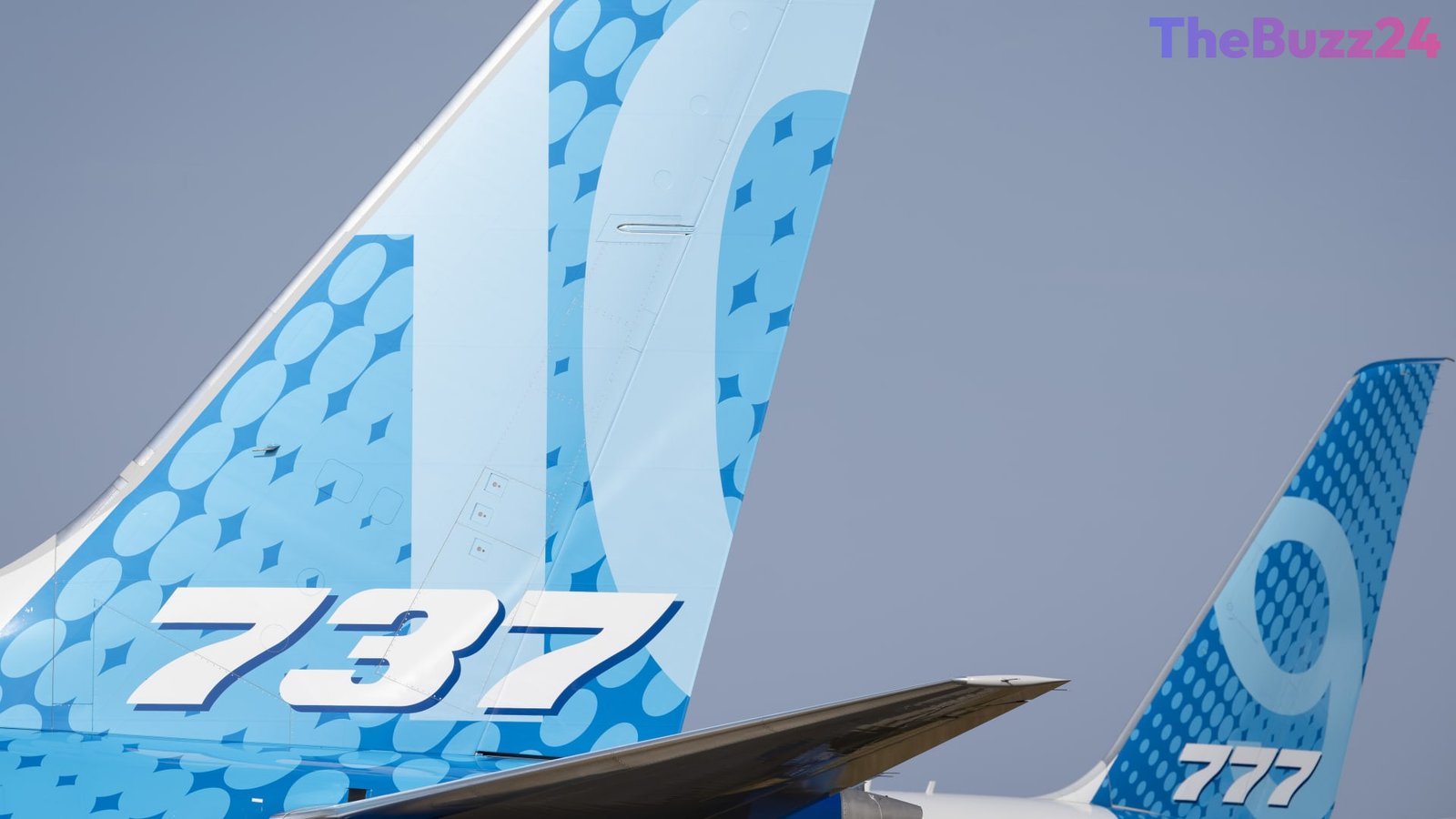
FAA Approves Boeing 737 Max 10 Following Years of Delays and Regulatory Scrutiny
Federal aviation regulators have officially certified Boeing’s 737 Max 10, achieving a major milestone for the aerospace manufacturer following years of regulatory delays and engineering modifications. As the largest variant in Boeing’s popular narrow-body 737 Max lineup, the aircraft was originally scheduled to enter commercial service in 2020. The final approval comes shortly after aviation authorities conducted a thorough review of a minor navigation system issue, concluding that it did not pose a threat to flight safety.
The approval clears the way for major commercial carriers to begin incorporating the jet into their fleets, including Alaska Airlines, American Airlines, Delta Air Lines, and United Airlines. Able to seat up to 230 passengers, the Max 10 accounts for approximately 30% of Boeing’s total 737 Max order backlog. Although formal clearance has been granted, airlines will require several months to complete final cabin configurations, crew integration, and scheduling before passengers can board the new aircraft.
The certification has also renewed debates over the efficiency of the domestic regulatory approval framework. U.S. Transportation Secretary Sean Duffy highlighted the necessity of streamlining certification timelines, noting that European authorities process similar aircraft approvals in significantly less time. Duffy stressed that accelerating these regulatory procedures is vital for maintaining American aviation leadership, particularly as international competitors in China work to expand their market share.
To meet demand and stabilize its delivery schedules, Boeing has been expanding its production footprint, including opening a fourth assembly line in Everett, Washington. Because commercial airlines pay the bulk of an aircraft’s purchase price upon physical delivery, finalizing the Max 10 certification provides a critical financial boost to Boeing’s long-term business recovery.
Key Takeaways
- The FAA has officially certified the Boeing 737 Max 10 after years of engineering updates and safety reviews.
- The 737 Max 10 accounts for roughly 30% of Boeing's Max order backlog, with key orders from United, Delta, American, and Alaska Airlines.
- Transportation Secretary Sean Duffy called for faster domestic certification procedures to help American manufacturers remain competitive against European and Chinese rivals.
Editor’s Analysis & Impact
The certification of the 737 Max 10 is a pivotal victory for Boeing, offering much-needed operational stability and financial relief. Because the Max 10 constitutes nearly a third of the company’s Max backlog, unlocked deliveries will significantly enhance Boeing’s balance sheet through cash inflows upon delivery. However, the commercial rollout will be gradual, as airlines adapt to long-standing scheduling shifts and interior modifications delayed during the prolonged waiting period. More broadly, Secretary Sean Duffy’s comments reflect growing institutional awareness of regulatory inefficiency. With China advancing its state-backed commercial aviation programs, domestic oversight bodies like the FAA will face rising pressure to streamline aircraft certification workflows without compromising rigorous safety standards.
Frequently Asked Questions
Q: What is the seating capacity of the Boeing 737 Max 10?
A: The Boeing 737 Max 10 is the largest jet in the 737 Max family, capable of accommodating up to 230 passengers depending on the airline's seating configuration.
Q: Which airlines have ordered the Boeing 737 Max 10?
A: Major commercial airlines with orders for the Max 10 include United Airlines, Delta Air Lines, American Airlines, and Alaska Airlines.
Q: Why was the certification of the 737 Max 10 delayed?
A: Certification was delayed by heightened regulatory scrutiny following earlier safety incidents, alongside required engineering adjustments, such as enhancements to the aircraft's engine anti-icing system.
AI Disclosure: This article is based on verified data and official reports. Our Team and AI have cross-referenced every financial detail with primary sources to ensure total accuracy.
More from this Category