Federal Judge Quashes DOJ Subpoena for Fulton County Election Worker Identities
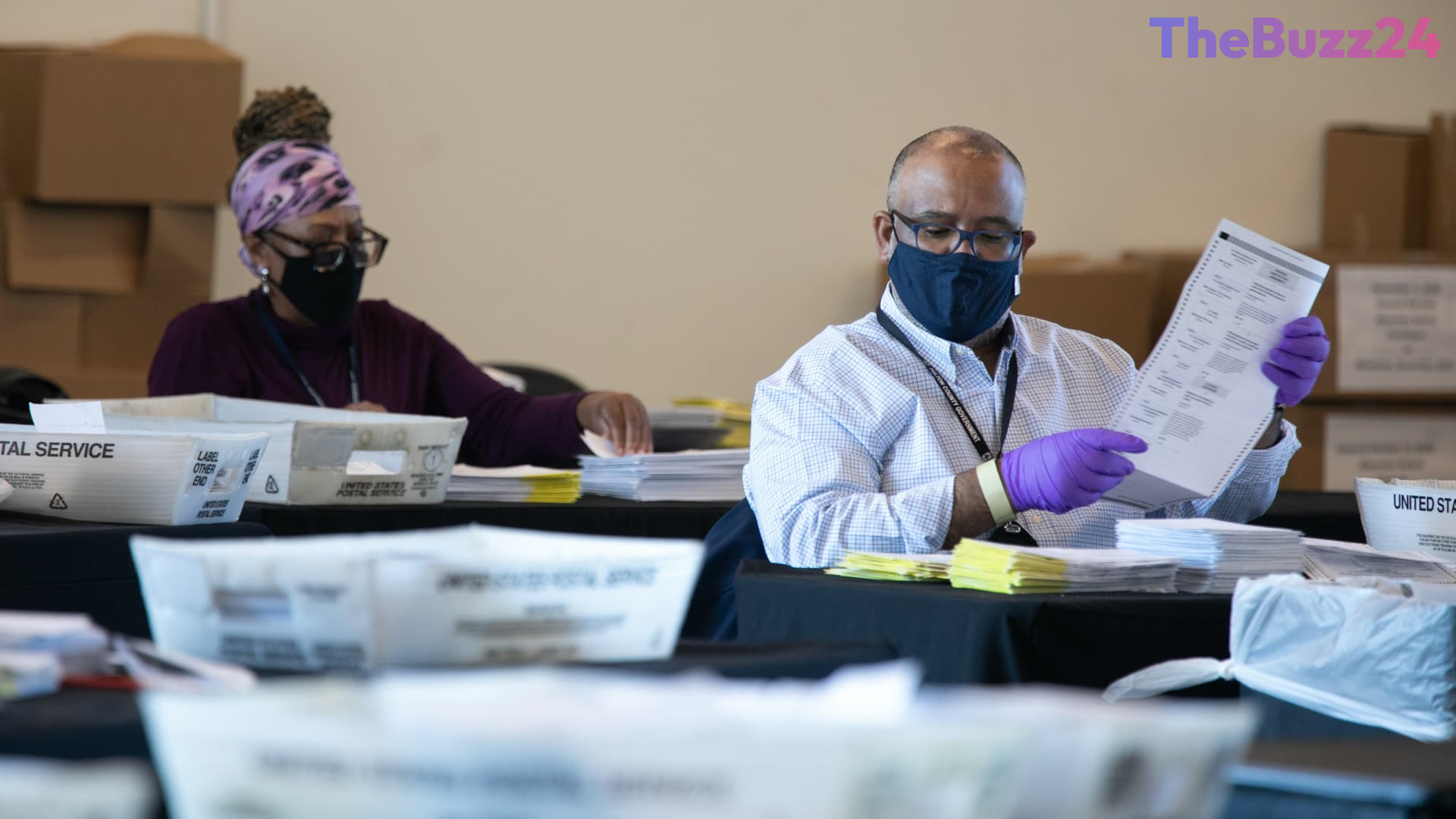
A federal judge in Atlanta has officially blocked a Department of Justice subpoena that sought the personal identifying information of thousands of election workers and volunteers involved in Fulton County’s 2020 election. U.S. District Judge William Ray, who issued the ruling, determined that the request was overly broad and lacked a legitimate legal purpose, noting that the disclosure of such sensitive data could discourage public participation in future electoral processes.
The subpoena was part of a broader federal investigation into allegations of ballot mismanagement, specifically regarding the preservation of ballot images from the 2020 contest. The Fulton County Board of Registration and Elections had formally challenged the request, arguing that the move was intended to harass and target individuals associated with the election. Judge Ray agreed, emphasizing that the grand jury’s power should not be utilized as a tool for fishing expeditions, particularly when the statute of limitations for potential crimes related to the 2020 election has already expired.
In his written order, Judge Ray underscored the importance of protecting private citizens from government overreach, regardless of one’s political stance on the 2020 election results. While the ruling prevents the DOJ from obtaining the specific list of names, the court clarified that the government remains free to continue its investigation into election integrity claims through other, more appropriate legal channels. The Department of Justice has expressed disagreement with the ruling, suggesting that the court’s interpretation of the statute of limitations could hinder the grand jury’s investigative authority.
Key Takeaways
- Judge William Ray blocked a DOJ subpoena seeking the personal information of thousands of Fulton County election workers.
- The court ruled that the subpoena was overly broad and that the statute of limitations for 2020 election-related crimes has already passed.
- The DOJ has indicated it may challenge the ruling, arguing that the decision limits the traditional investigative scope of a grand jury.
Editor’s Analysis & Impact
This ruling serves as a significant check on federal investigative power, reinforcing the judiciary’s role in preventing the weaponization of grand jury subpoenas against private citizens. By citing the expiration of the statute of limitations, the court has effectively signaled that the legal window for litigating 2020 election-related criminal claims is closing, if not already shut. The broader implication here is a cooling effect on the DOJ’s ability to pursue long-standing election integrity investigations that rely on broad data collection. Moving forward, the Department of Justice faces a difficult path if it intends to continue these inquiries, as it must now navigate a judicial environment increasingly wary of ‘staggering’ requests that threaten to chill civic participation. This case highlights the ongoing tension between federal oversight and the protection of individual privacy in the electoral process.
Frequently Asked Questions
Q: Why did the judge block the DOJ subpoena?
A: Judge Ray blocked the subpoena because he deemed it overly broad, noted that the statute of limitations for 2020 election crimes had expired, and expressed concern that releasing the names would discourage future election participation.
Q: Does this ruling stop the DOJ from investigating the 2020 election entirely?
A: No. The judge clarified that while the DOJ cannot use this specific grand jury subpoena to obtain the names of election workers, it is not prevented from continuing its investigation into election fraud claims through other legal means.
AI Disclosure: This article is based on verified data and official reports. Our Team and AI have cross-referenced every financial detail with primary sources to ensure total accuracy.
More from this Category