Federal Judge Weighs First Amendment Arguments in White House Media Access Ban
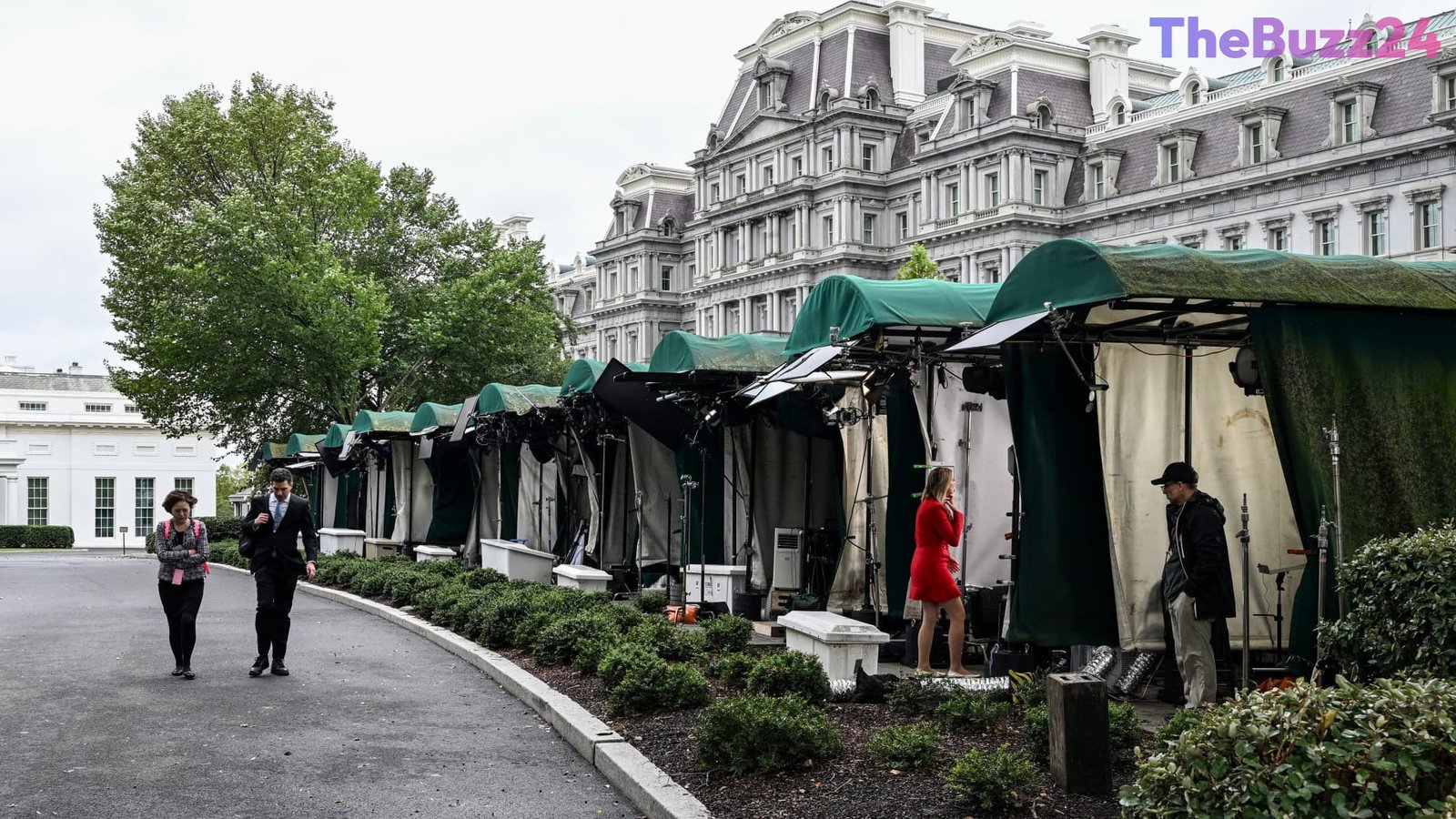
A federal court in Washington, D.C., recently heard legal arguments regarding a controversial administration directive that barred three prominent media organizations from entering the White House. U.S. District Judge Timothy Kelly presided over the teleconference hearing, evaluating a request from the affected outlets to immediately halt the restriction while their broader lawsuit moves forward.
The legal challenge, filed jointly by MS NOW, CNN, and Politico, contends that the ban directly violates the First Amendment of the U.S. Constitution. Representatives for the news organizations argued that the administration targeted them in retaliation for critical coverage, pointing to public statements by the president citing unfavorable reporting as the motivation behind the revocation of their hard press passes. Furthermore, the plaintiffs emphasized that they were stripped of their credentials without advance notice or an opportunity to be heard, constituting a failure of due process.
In defense of the directive, Justice Department attorneys argued that presidential access is a privilege rather than a constitutional right, asserting that the administration acted on national security grounds. The government maintained that the executive branch holds the authority to manage facility access to protect national interests and denied that the action constituted viewpoint discrimination or retaliation against specific journalists. Legal experts noted that the presiding judge previously ruled against the administration in a similar high-profile press credential dispute several years ago. A definitive decision on the preliminary injunction is expected soon.
Key Takeaways
- Three major media outlets jointly sued the administration following the revocation of their White House press passes.
- Plaintiffs argue the ban violates First Amendment free press protections and lacks due process.
- The Justice Department defended the restriction by citing national security and executive discretion.
Editor’s Analysis & Impact
This legal showdown carries significant implications for the relationship between the executive branch and the press. At its core, the case forces the judiciary to balance executive authority and national security discretion against foundational constitutional protections for freedom of the press and due process. A ruling in favor of the media outlets would reinforce established precedents limiting administrative retaliation against critical reporting. Conversely, a victory for the government could expand executive leeway in controlling who covers the presidency. Regardless of the immediate outcome, the case highlights the ongoing tension surrounding transparency, press access, and accountability within modern American politics.
Frequently Asked Questions
Q: Which media outlets were barred from the White House?
A: The outlets affected by the ban are MS NOW, CNN, and Politico.
Q: What legal grounds are the media outlets using in their lawsuit?
A: The outlets argue that the ban violates the First Amendment right to a free press and infringes upon their due process rights by failing to provide notice or a hearing before revoking their access passes.
Q: What justification did the Justice Department provide for the ban?
A: Government attorneys defended the restriction by claiming it was enacted on national security grounds and that accessing the White House is a privilege rather than an absolute right.
AI Disclosure: This article is based on verified data and official reports. Our Team and AI have cross-referenced every financial detail with primary sources to ensure total accuracy.
More from this Category