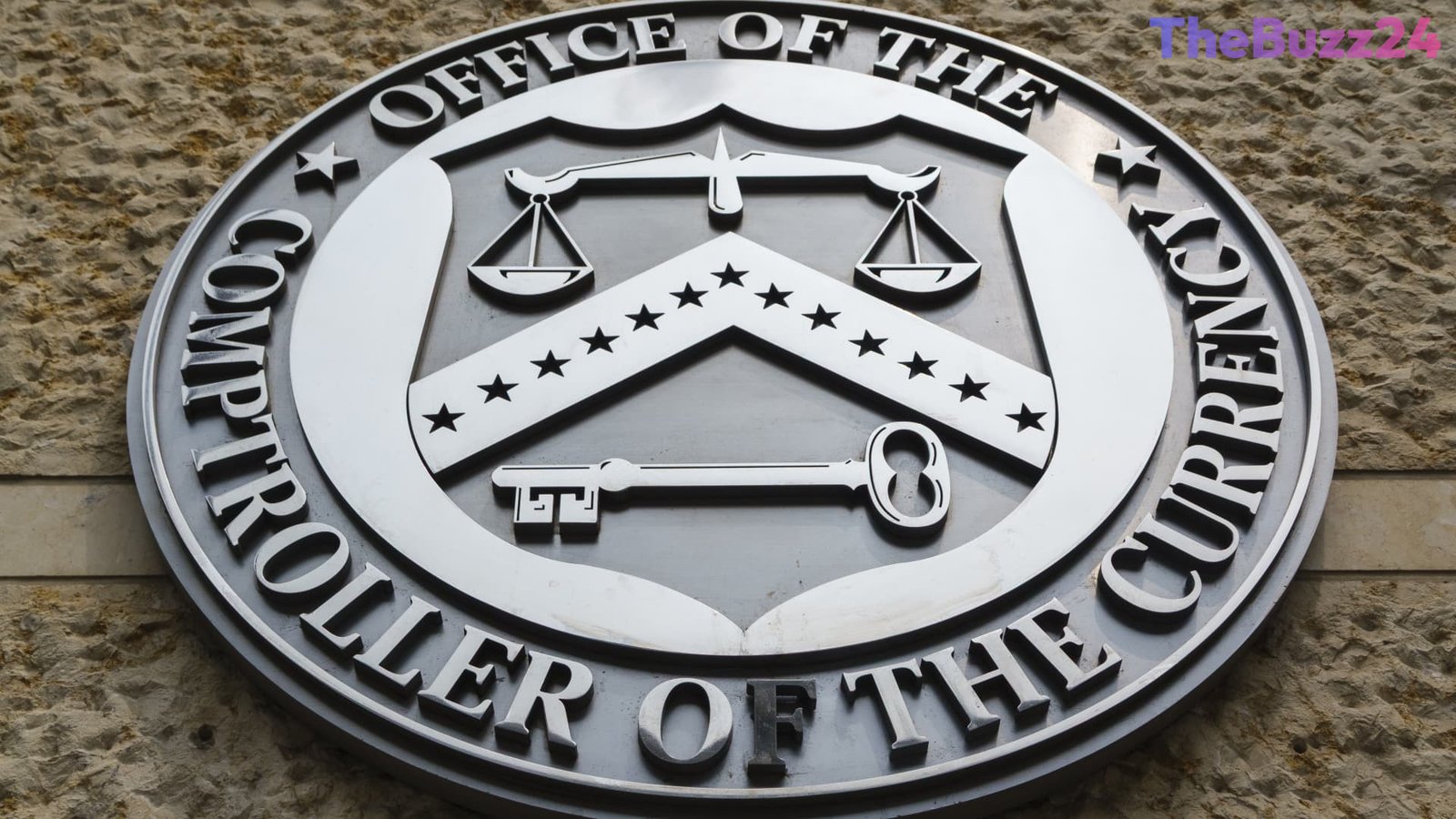
Federal Probe Reveals Major U.S. Banks Used Subjective ‘Reputation Risk’ to Deny Services
A comprehensive investigation by the Office of the Comptroller of the Currency (OCC) has uncovered that the nation’s nine largest banks frequently allowed political and social considerations to influence their decisions on who could access financial services. The review, which analyzed nearly 100,000 customer complaints and over 420,000 pages of internal documentation, concluded that these institutions utilized ‘reputation risk’ policies that lacked objective, transparent standards. This ambiguity created a framework where customers could be unfairly penalized based on their religious beliefs, political affiliations, or involvement in lawful business sectors.
The probe encompassed major financial institutions, including JPMorgan Chase, Bank of America, Citibank, Wells Fargo, U.S. Bank, Capital One, PNC Bank, TD Bank, and BMO Bank. Investigators highlighted specific instances where banks flagged and terminated accounts based on ideological keywords, such as those associated with conservative merchandise, without having formal, written criteria to justify such actions as violations of safety or hate speech policies. Conversely, the report noted that some banks also restricted relationships with groups based on their perceived alignment with Democratic causes or specific industries like firearms and fossil fuels, demonstrating that the issue of ‘debanking’ spans the political spectrum.
While the OCC did not issue immediate fines or sanctions, the agency emphasized that banking decisions must be rooted strictly in financial risk assessment rather than the personal preferences of bank executives or employees. The regulator is now considering the implementation of new, stricter rules to prevent discriminatory practices. Although the banks involved have claimed to be revising their internal policies, the OCC noted that none of the institutions have fully addressed past instances of debanking or established a formal remediation program for those previously denied service.
This regulatory scrutiny arrives at a sensitive time for the banking sector, which is already under pressure regarding anti-money-laundering compliance. As the government pushes for greater accountability, the industry faces a significant challenge in balancing risk management with the mandate to provide fair, non-discriminatory access to the financial system.
Key Takeaways
- The OCC found that the nine largest U.S. banks used vague 'reputation risk' policies that allowed for potential discrimination based on political or social views.
- The investigation identified instances where banks restricted services to both conservative and liberal-leaning organizations, as well as specific industries like firearms and fossil fuels.
- Regulators are now considering new rules to ensure banking decisions are based solely on objective financial risk rather than ideological preferences.
Editor’s Analysis & Impact
The OCC’s findings represent a significant shift in the regulatory landscape, signaling that the era of ‘reputation risk’ as a catch-all justification for account termination is coming to an end. By highlighting the lack of objective standards, the report forces major financial institutions to move toward a more transparent, risk-based model of customer acquisition. The broader implication is a potential reduction in the power of banks to act as ideological gatekeepers in the economy. Moving forward, we expect to see increased compliance costs as banks are forced to audit their internal screening processes to meet new federal standards. This could lead to a more standardized, albeit more rigid, approach to account management, ultimately reducing the ‘whipsaw’ effect where banking access shifts based on the prevailing political climate in Washington.
Frequently Asked Questions
Q: What is 'debanking' in the context of this report?
A: Debanking refers to the practice where financial institutions close or refuse to open accounts for individuals or businesses based on subjective criteria, such as their political, religious, or social affiliations, rather than objective financial risk.
Q: Are banks being forced to serve every customer?
A: No. The OCC clarified that banks are not required to serve every customer, but they must ensure that their decisions to deny service are based on clear, objective, and risk-based criteria rather than the political or social preferences of bank staff.
AI Disclosure: This article is based on verified data and official reports. Our Team and AI have cross-referenced every financial detail with primary sources to ensure total accuracy.
More from this Category