Federal Prosecution Targets ‘Duress’ Password Use in Border Device Search
In a landmark legal development, the U.S. Department of Justice has initiated a prosecution against an American citizen for allegedly utilizing a ‘duress’ password to wipe his mobile device during a border inspection. This case is believed to be the first of its kind in the United States, where federal authorities have formally charged an individual for the intentional destruction of digital data via a specialized security feature designed to purge device contents upon entry of a specific code.
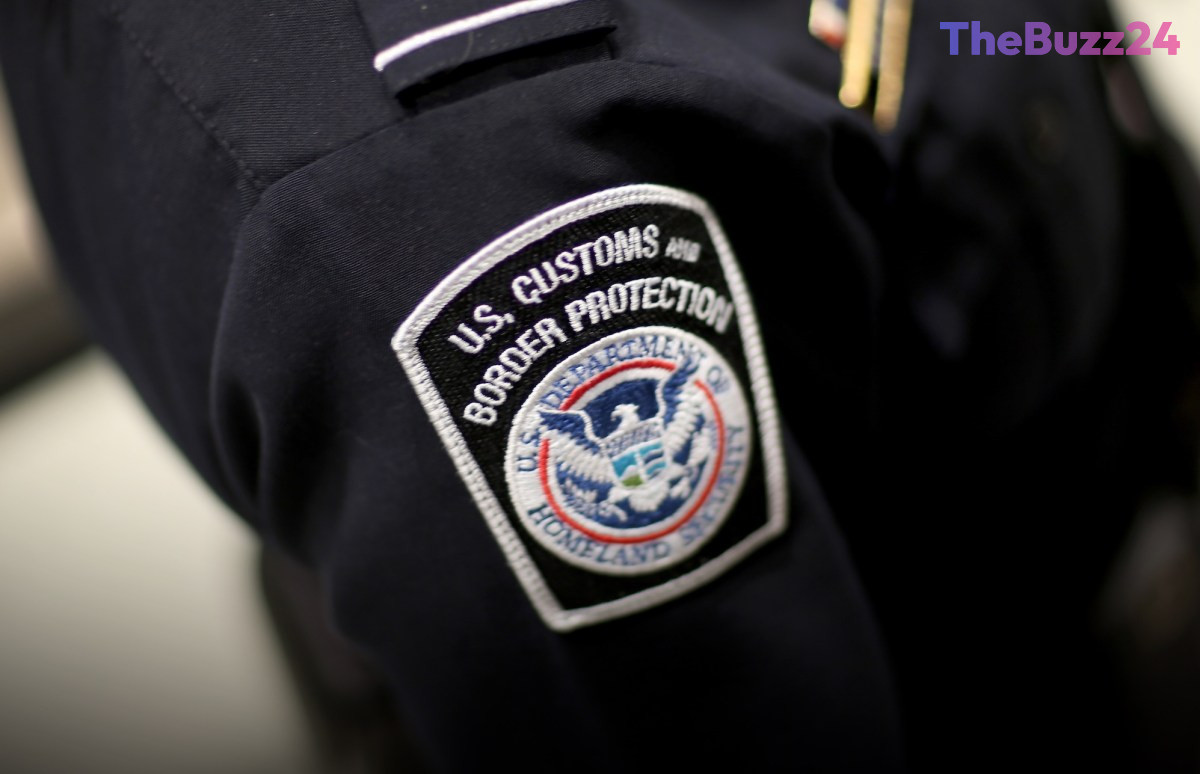
The incident occurred at Hartsfield-Jackson Atlanta International Airport when Samuel Tunick, returning from overseas, was subjected to a secondary inspection by U.S. Customs and Border Protection. The device in question was running GrapheneOS, a privacy-focused Android-based operating system that includes a feature allowing users to set a secondary passcode that triggers a factory reset. When border agents entered the code provided by Tunick, the device reportedly wiped its contents, leading to federal charges for the destruction of property to prevent government seizure.
Tunick’s legal defense team has filed a motion to suppress the evidence, arguing that the initial seizure was unlawful and that their client was denied access to legal counsel during the detention. Furthermore, the defense contends that the government’s interest in the device was not based on legitimate suspicion of criminal activity, but rather on Tunick’s association with the ‘Defend the Atlanta Forest’ movement. The case highlights the ongoing tension between individual digital privacy rights and the broad authority claimed by federal agencies to search electronic devices at the border without a warrant.
As the case proceeds through the Atlanta federal court, it sets a significant precedent for how digital security features will be viewed under federal law. Legal experts and privacy advocates are closely monitoring the proceedings, noting that the outcome could fundamentally alter how travelers manage sensitive data when crossing international borders. The court is expected to rule on the motion to suppress later this year.
Key Takeaways
- Federal prosecutors are charging a U.S. citizen for using a 'duress' password to wipe a phone during a border search, marking a potential legal first.
- The device was running GrapheneOS, a privacy-focused operating system that allows users to trigger a data wipe with a specific passcode.
- The defense argues the seizure was unlawful and politically motivated, challenging the government's authority to search devices without a warrant at the border.
Editor’s Analysis & Impact
This case represents a critical intersection of digital privacy, civil liberties, and federal enforcement powers. By prosecuting the use of a ‘duress’ password, the government is effectively criminalizing a standard security feature designed to protect user data from unauthorized access. If the prosecution succeeds, it could set a chilling precedent, forcing individuals to choose between carrying sensitive information and risking federal charges, or completely abstaining from bringing secure devices across borders. The broader implication is a potential erosion of the ‘right to silence’ in the digital age, as the act of protecting one’s data is increasingly being framed as an act of obstruction. This trial will likely force a judicial clarification on whether the ‘border search exception’ to the Fourth Amendment extends to the compelled decryption or forced access of personal digital devices.
Frequently Asked Questions
Q: What is a 'duress' password?
A: A duress password is a security feature found in some operating systems, like GrapheneOS, that allows a user to enter a specific code to trigger a factory reset or wipe the device's data, typically used in situations where the user is being forced to unlock their phone.
Q: Why are border authorities allowed to search phones without a warrant?
A: The U.S. government maintains that the 'border search exception' allows agents to search individuals and their belongings, including electronic devices, without a warrant or probable cause as part of the process of regulating entry into the country.
AI Disclosure: This article is based on verified data and official reports. Our Team and AI have cross-referenced every financial detail with primary sources to ensure total accuracy.
More from this Category