Federal Regulators Crack Down on Robotaxis as AV Partnerships Shift and Rivian Secures $1.3B
The autonomous vehicle (AV) sector is facing a critical juncture as federal regulators intensify scrutiny over safety concerns, specifically regarding how self-driving cars interact with emergency services. National Highway Traffic Safety Administration (NHTSA) Administrator Jonathan Morrison recently issued a stern directive to AV developers, emphasizing that interference with first responders or law enforcement is entirely unacceptable. Morrison clarified that emergency scenes are common occurrences rather than rare “edge cases,” demanding that operators immediately dedicate resources to resolve these functional deficiencies. Companies have been given until the end of the month to present concrete solutions to the agency.
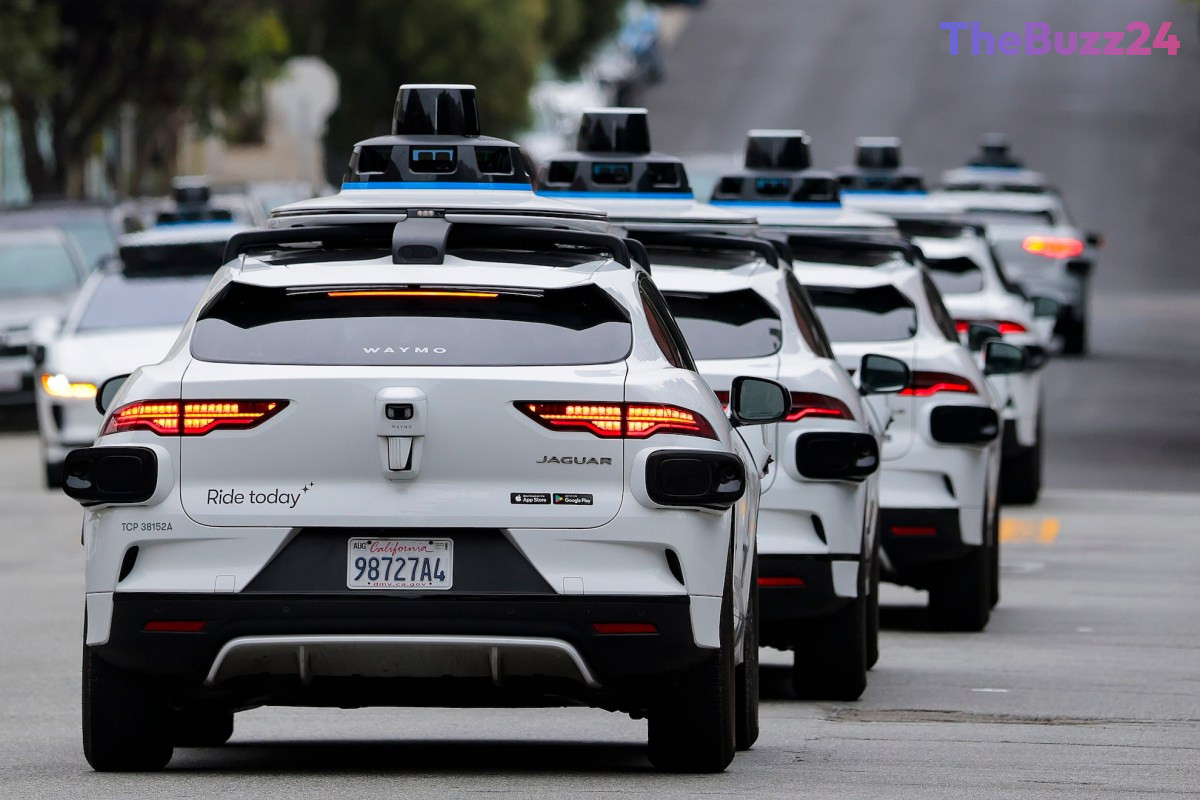
This regulatory push comes amid mounting local friction, particularly in cities like San Francisco, where recent incidents have highlighted the real-world challenges of AV deployment. Following a July 4th celebration that resulted in severe gridlock, local officials initiated inquiries into how autonomous fleets impacted public transit and emergency response routes. Reports indicated that several Waymo vehicles had to be towed after running out of power during the traffic jam. Despite these operational hurdles, federal regulators are also preparing for the future of vehicle design. The newly updated 2026 Regulatory Plan and Unified Agenda outlines proposed updates to Federal Motor Vehicle Safety Standards (FMVSS), which could pave the way for steering-wheel-free designs from companies like Tesla and Zoox.
Simultaneously, the commercial landscape for robotaxis is undergoing a significant realignment. The partnership between ride-hailing giant Uber and AV pioneer Waymo has officially concluded in Phoenix, though their collaborations in Atlanta and Austin remain active for now. Industry observers are closely watching how these two heavyweights will navigate their relationship once the remaining agreements expire, with executive posturing suggesting a shift toward direct competition. Meanwhile, in the electric vehicle sector, Rivian is securing its financial footing by launching a major capital raise of $1.32 billion through a common stock offering. The funding arrives as Rivian ramps up production of its highly anticipated R2 SUV and adjusts its 2026 delivery forecasts upward, highlighting the immense capital required to scale EV manufacturing.
Key Takeaways
- The NHTSA has issued a strict directive demanding AV developers resolve vehicle interference with emergency responders by the end of the month.
- Uber and Waymo have ended their Phoenix robotaxi partnership, signaling a potential shift toward direct competition in the ride-hailing market.
- Rivian is raising $1.32 billion in new capital to fund the production ramp-up of its new R2 SUV model.
Editor’s Analysis & Impact
The autonomous vehicle industry is entering a phase of regulatory maturity where theoretical safety must translate into flawless real-world execution. The NHTSA’s refusal to treat emergency scenes as ‘edge cases’ represents a significant shift in regulatory posture, forcing AV developers to prioritize civic integration over rapid expansion. Simultaneously, the dissolution of the Uber-Waymo partnership in Phoenix foreshadows a highly competitive landscape where ride-hailing platforms and AV technology developers will transition from partners to direct rivals. For EV manufacturers like Rivian, the massive $1.32 billion capital raise underscores the persistent financial hurdles of scaling automotive production. Ultimately, the transition to next-generation mobility will be defined by strict regulatory compliance and deep capital reserves.
Frequently Asked Questions
Q: Why is the NHTSA targeting autonomous vehicle developers?
A: The NHTSA issued a directive because autonomous vehicles have repeatedly interfered with first responders and law enforcement at emergency scenes, which the agency states is a functional insufficiency that must be resolved immediately.
Q: What is happening to the partnership between Uber and Waymo?
A: Uber and Waymo have ended their robotaxi partnership in Phoenix, though their joint operations in Atlanta and Austin currently remain active.
Q: Why is Rivian raising $1.32 billion?
A: Rivian is raising capital to support the costly production scale-up of its new R2 SUV and to fund ongoing operations as the company works toward profitability.
AI Disclosure: This article is based on verified data and official reports. Our Team and AI have cross-referenced every financial detail with primary sources to ensure total accuracy.
More from this Category