Federal Reserve Chair Kevin Warsh Faces High-Stakes Inflation Credibility Test
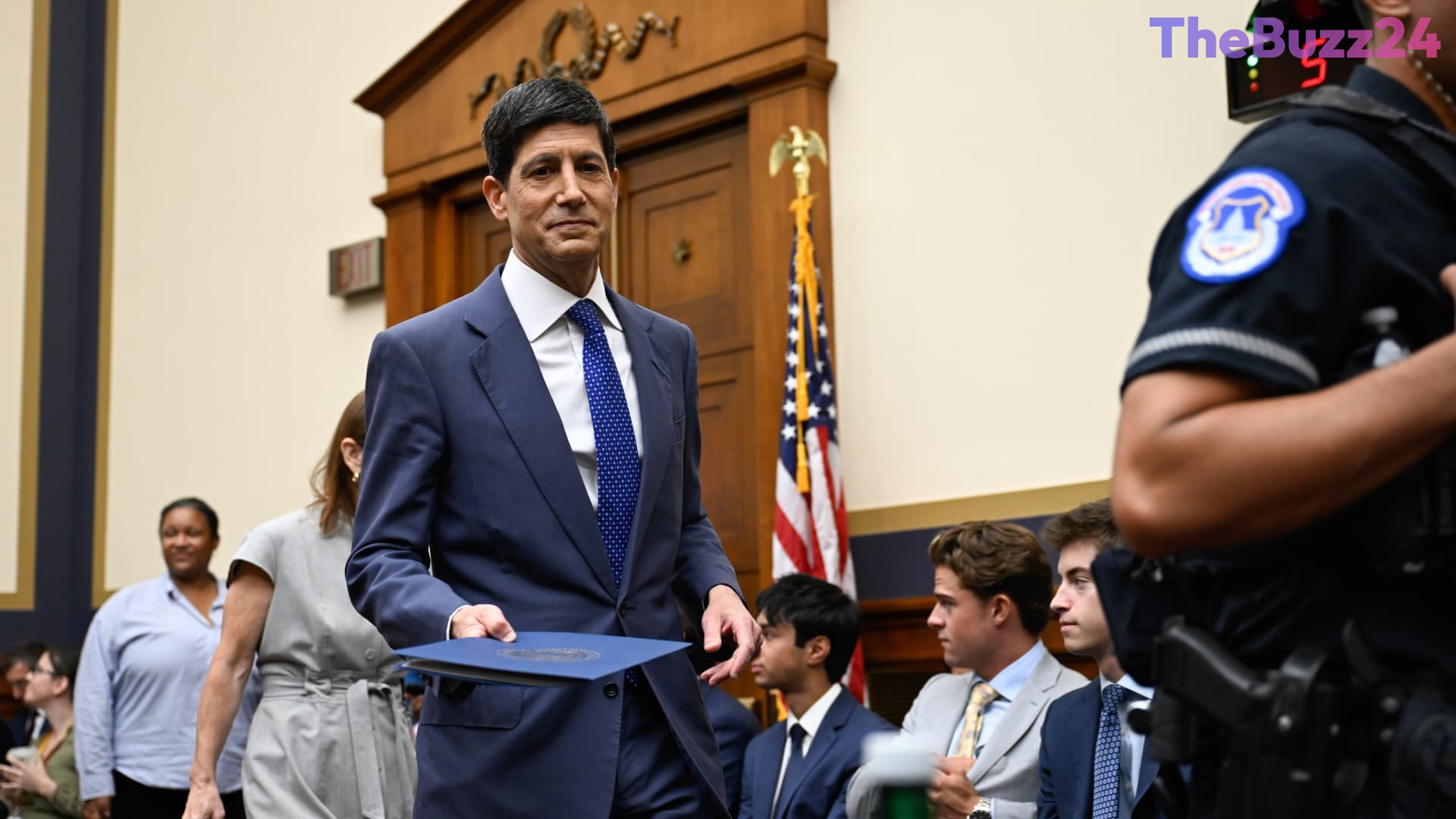
Federal Reserve Chairman Kevin Warsh recently concluded two days of intensive testimony before the House and Senate, navigating rigorous questioning regarding the nation’s persistent inflation challenges. While Warsh managed to avoid significant political missteps, the hearings underscored a growing consensus among lawmakers that current price increases remain unacceptably high. This environment places immense pressure on the new chairman to fulfill his mandate of maintaining price stability, a task that has become increasingly complex as he seeks to modernize how the central bank evaluates economic data.
Central to Warsh’s strategy is a critical re-examination of traditional inflation metrics, such as the Consumer Price Index (CPI) and the Producer Price Index (PPI). Warsh has expressed skepticism toward these standard gauges, labeling them as imperfect indicators of underlying economic health. To address this, he has initiated internal task forces to better understand the nature of modern inflation, including the potential impact of the artificial intelligence boom. While some Fed officials, such as Governor Lisa Cook, have voiced concerns that massive investments in AI infrastructure are driving up costs for chips and utilities, Warsh remains optimistic that supply-side responses will eventually stabilize these price fluctuations.
Beyond his focus on AI, Warsh is signaling a shift in monetary policy philosophy by reviving the practice of monitoring the money supply—a metric largely sidelined by his predecessor. By emphasizing that monetary policy is inherently linked to the money supply, Warsh is positioning himself within a conservative economic tradition. However, this approach carries significant risks. If inflation fails to subside, Warsh’s reliance on these new analytical frameworks and task forces may be scrutinized as ideologically driven rather than data-focused. With markets anticipating potential interest rate hikes later this year, the chairman’s ability to maintain credibility with both his colleagues and Congress hinges on his capacity to deliver tangible results in the fight against rising prices.
Key Takeaways
- Chairman Kevin Warsh is under pressure to curb inflation while simultaneously rethinking how the Federal Reserve measures price stability.
- Internal debate persists at the Fed regarding whether the rapid expansion of AI infrastructure is a primary driver of current inflationary pressures.
- Warsh has reintroduced the monitoring of the money supply as a policy tool, marking a departure from the practices of the previous administration.
Editor’s Analysis & Impact
The leadership of Kevin Warsh at the Federal Reserve marks a pivotal transition toward a more traditional, monetarist-leaning approach to economic management. By challenging the efficacy of standard inflation metrics and prioritizing the study of money supply, Warsh is attempting to differentiate his tenure from the Powell era. However, the market impact of this shift is double-edged. While intellectual diversity at the Fed is generally viewed as a positive, the reliance on task forces that may lack diverse viewpoints—particularly regarding labor—could lead to policy blind spots. The immediate outlook remains volatile; if Warsh fails to reconcile the conflicting views on AI-driven inflation within his committee, the resulting policy indecision could erode market confidence. The ultimate test for his credibility will be whether he can successfully navigate the upcoming interest rate decisions without triggering a recession or allowing inflation to re-accelerate.
Frequently Asked Questions
Q: Why is Kevin Warsh re-evaluating traditional inflation metrics like CPI and PPI?
A: Warsh views these traditional measures as imperfect indicators of the state of underlying inflation and believes that modern economic factors, such as the AI boom, require a more nuanced analytical approach.
Q: What is the significance of Warsh monitoring the money supply?
A: Monitoring the money supply is a return to a more conservative economic tradition. Warsh believes that monetary policy is fundamentally linked to the money supply, a practice that was largely abandoned by his predecessor, Jerome Powell.
AI Disclosure: This article is based on verified data and official reports. Our Team and AI have cross-referenced every financial detail with primary sources to ensure total accuracy.
More from this Category