Federal Reserve Holds Interest Rates Steady Amid Growing Hawkish Dissents and Market Volatility
The Federal Reserve concluded its latest policy meeting by opting to keep benchmark interest rates unchanged in the range of 3.5% to 3.75%. While the decision aligned with general market expectations, the meeting revealed a significant shift in internal sentiment, marked by three policymaker dissents favoring an immediate rate hike to combat persistent inflation pressures.
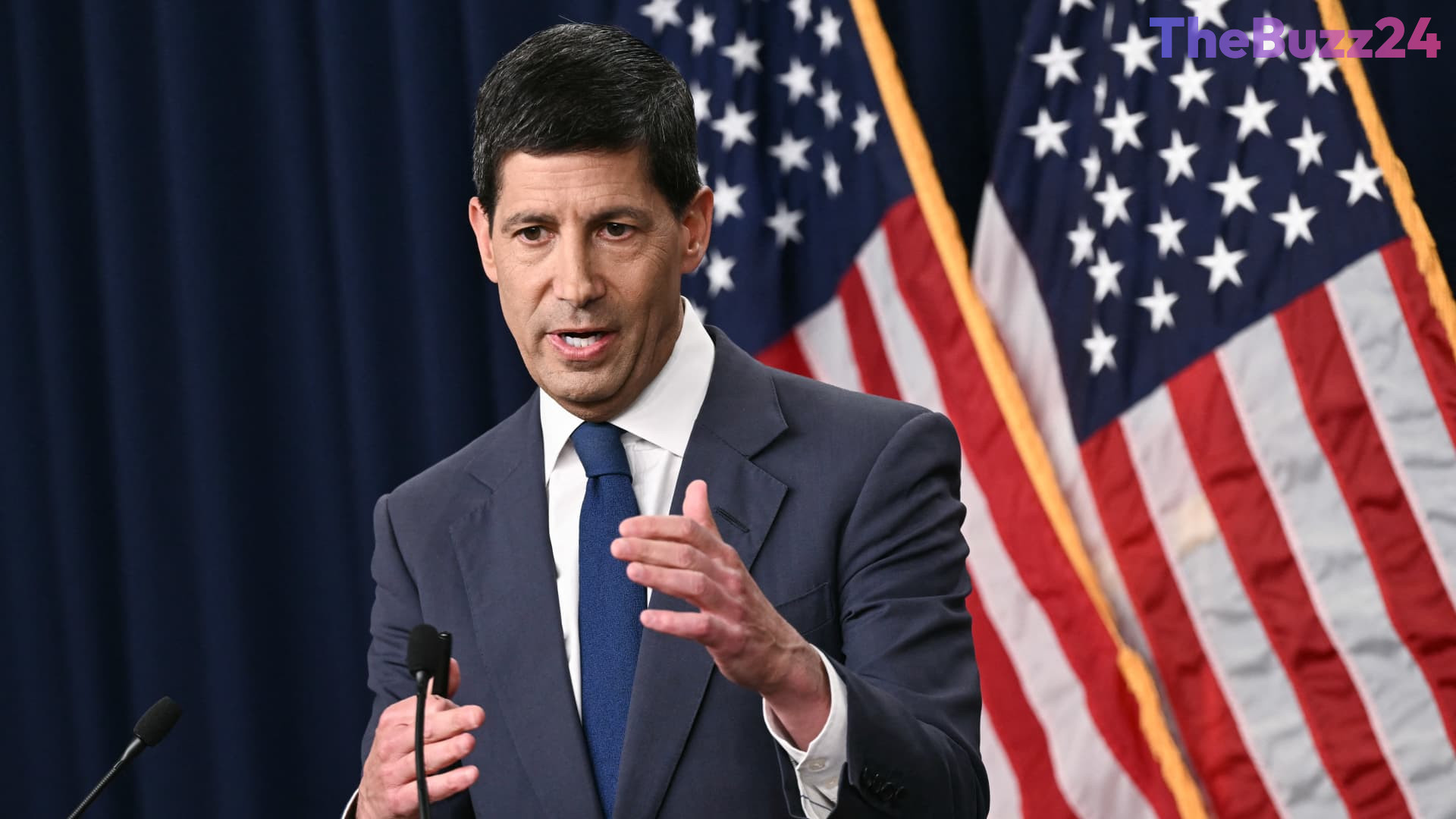
During the post-decision press conference, Chairman Kevin Warsh emphasized that the central bank remains entirely focused on achieving its 2% inflation target, declining to offer definitive forward guidance on the future path of monetary policy. Warsh characterized the discussions among committee members as a robust internal debate rather than a simple policy pause, signaling a departure from the communication style of previous leadership eras.
Financial markets reacted swiftly to the decision and the accompanying commentary. Treasury yields climbed notably, with the 30-year bond yield surpassing 5.2% to reach its highest level since 2007, while major stock indices faced downward pressure. Analysts note that ongoing geopolitical volatility, particularly rising energy costs driven by conflict in the Middle East, continues to complicate the economic landscape and fuels debate over whether additional policy tightening will be necessary later in the year.
Key Takeaways
- The Federal Reserve maintained its benchmark interest rate at the 3.5% to 3.75% range during its recent policy meeting.
- Three regional Fed presidents dissented from the decision, advocating for a rate increase to address ongoing inflationary risks.
- Treasury yields surged following the announcement, with long-term rates touching multi-year highs amid shifting market expectations.
Editor’s Analysis & Impact
The central bank’s latest decision highlights a pivotal transition period under the current leadership, characterized by reduced forward guidance and an increased emphasis on real-time economic data. The presence of three dissenting votes signals a growing hawkish faction within the committee, which could foreshadow tighter monetary policy if energy shocks and geopolitical tensions continue to drive up inflation. For financial markets, this environment introduces heightened volatility, forcing investors to reevaluate traditional rate-cut expectations. As the Fed navigates the complex intersection of labor market stability, technological productivity shifts like artificial intelligence, and global supply pressures, market participants must adapt to a more opaque, data-dependent policy framework moving forward.
Frequently Asked Questions
Q: What was the Fed's decision on interest rates?
A: The Federal Reserve voted to keep its benchmark interest rate steady at a range of 3.5% to 3.75%.
Q: Why did some policymakers dissent from the decision?
A: Three committee members dissented because they favored a rate hike to aggressively combat above-target inflation pressures fueled in part by rising energy costs.
Q: How did the bond market react to the announcement?
A: Bond yields jumped following the meeting, with the 30-year Treasury yield climbing past 5.2% to reach its highest level since 2007.
AI Disclosure: This article is based on verified data and official reports. Our Team and AI have cross-referenced every financial detail with primary sources to ensure total accuracy.
More from this Category