Federal Reserve Signals Unwavering Inflation Fight with Rate Hike, Markets React Negatively
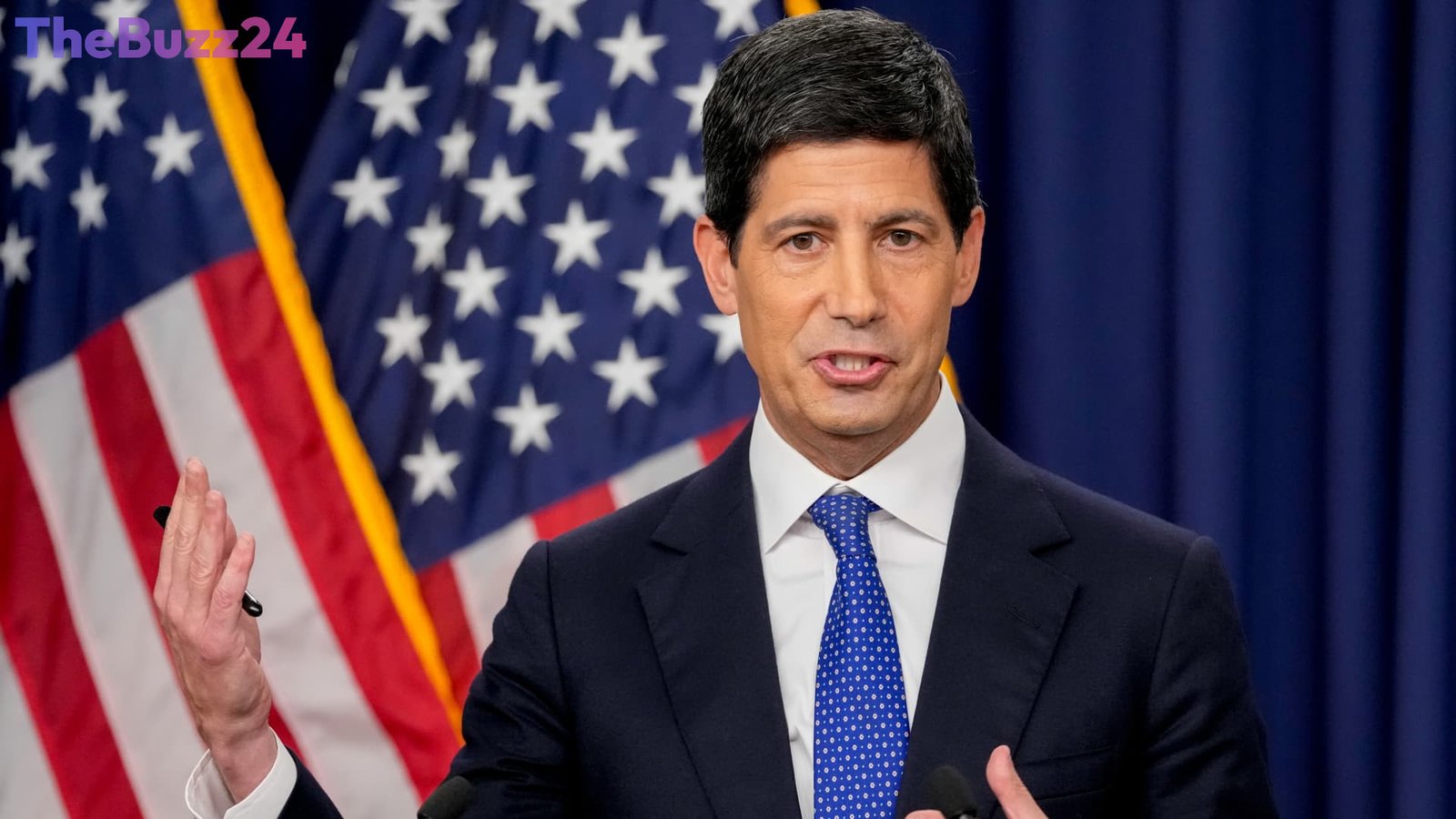
The Federal Reserve has implemented a widely anticipated interest rate increase, signaling a firm commitment to combating persistent inflation. Following the decision, Federal Reserve Chairman Kevin Warsh delivered a concise press conference, emphasizing the central bank’s dedication to price stability.
The unanimous vote for the quarter-percentage-point hike underscored a unified front among policymakers, defying earlier speculation of potential dissent. Despite varying viewpoints expressed in recent weeks, all 12 members of the Federal Open Market Committee (FOMC) supported the move, indicating a strong consensus on the need for tighter monetary policy.
However, the market’s reaction was decidedly negative. Stocks, which had shown gains prior to the announcement, experienced a sharp decline. The Dow Jones Industrial Average fell significantly, and bond yields, particularly the sensitive 2-year Treasury yield, surged. This downturn mirrored the market’s response to previous Fed actions, suggesting investor concern over the implications of continued rate hikes and the Fed’s hawkish stance on inflation.
In line with recent trends under Chairman Warsh’s leadership, the post-meeting statement was notably brief, and the subsequent press conference was equally succinct. Warsh fielded questions for approximately 22 minutes, reinforcing the Fed’s focus on its mandate. The FOMC’s own projections, known as the dot plot, revealed a general agreement on further rate increases in the near term, though considerable divergence emerged regarding the longer-term trajectory of interest rates, with significant disagreement on the timing of potential rate cuts through 2029.
Chairman Warsh also addressed questions with political undertones, particularly those related to President Donald Trump’s public commentary on Fed policy. He reiterated the importance of the Federal Reserve’s independence, stating that the institution remains focused on its economic objectives and operates independently of political pressure.
Key Takeaways
- The Federal Reserve enacted a quarter-percentage-point interest rate hike with a unanimous vote, signaling a strong commitment to fighting inflation.
- Financial markets reacted negatively to the rate increase and the Fed's hawkish tone, with stocks falling and bond yields rising.
- Policymakers' long-term interest rate projections show significant disagreement, indicating uncertainty about the future path of monetary policy beyond the immediate hikes.
Editor’s Analysis & Impact
The Federal Reserve’s latest rate hike underscores its unwavering focus on inflation control, even at the risk of short-term market volatility. The unanimous decision suggests a robust consensus among policymakers, providing a clear signal to markets. However, the negative market reaction highlights investor apprehension about the potential economic slowdown that aggressive rate hikes could trigger. The divergence in long-term rate projections from the FOMC members points to a complex economic outlook, where the path forward remains uncertain. This situation presents a delicate balancing act for the Fed, aiming to curb inflation without tipping the economy into a recession, a challenge that will likely continue to shape market sentiment.
Frequently Asked Questions
Q: Why did the Federal Reserve raise interest rates?
A: The Federal Reserve raised interest rates to combat high inflation. By increasing the cost of borrowing, the Fed aims to slow down economic activity, reduce demand, and ultimately bring inflation back to its target level.
Q: What is the 'dot plot'?
A: The 'dot plot' is a chart released by the Federal Reserve that shows individual policymakers' projections for the future path of interest rates. Each dot represents a policymaker's expectation for the appropriate federal funds rate at the end of the year and over the longer run.
Q: What does a 'hawkish' stance mean for the Fed?
A: A 'hawkish' stance by the Federal Reserve indicates a greater concern with inflation and a higher likelihood of raising interest rates or keeping them elevated to control price increases. Conversely, a 'dovish' stance prioritizes economic growth and employment, potentially leading to lower interest rates.
AI Disclosure: This article is based on verified data and official reports. Our Team and AI have cross-referenced every financial detail with primary sources to ensure total accuracy.
More from this Category