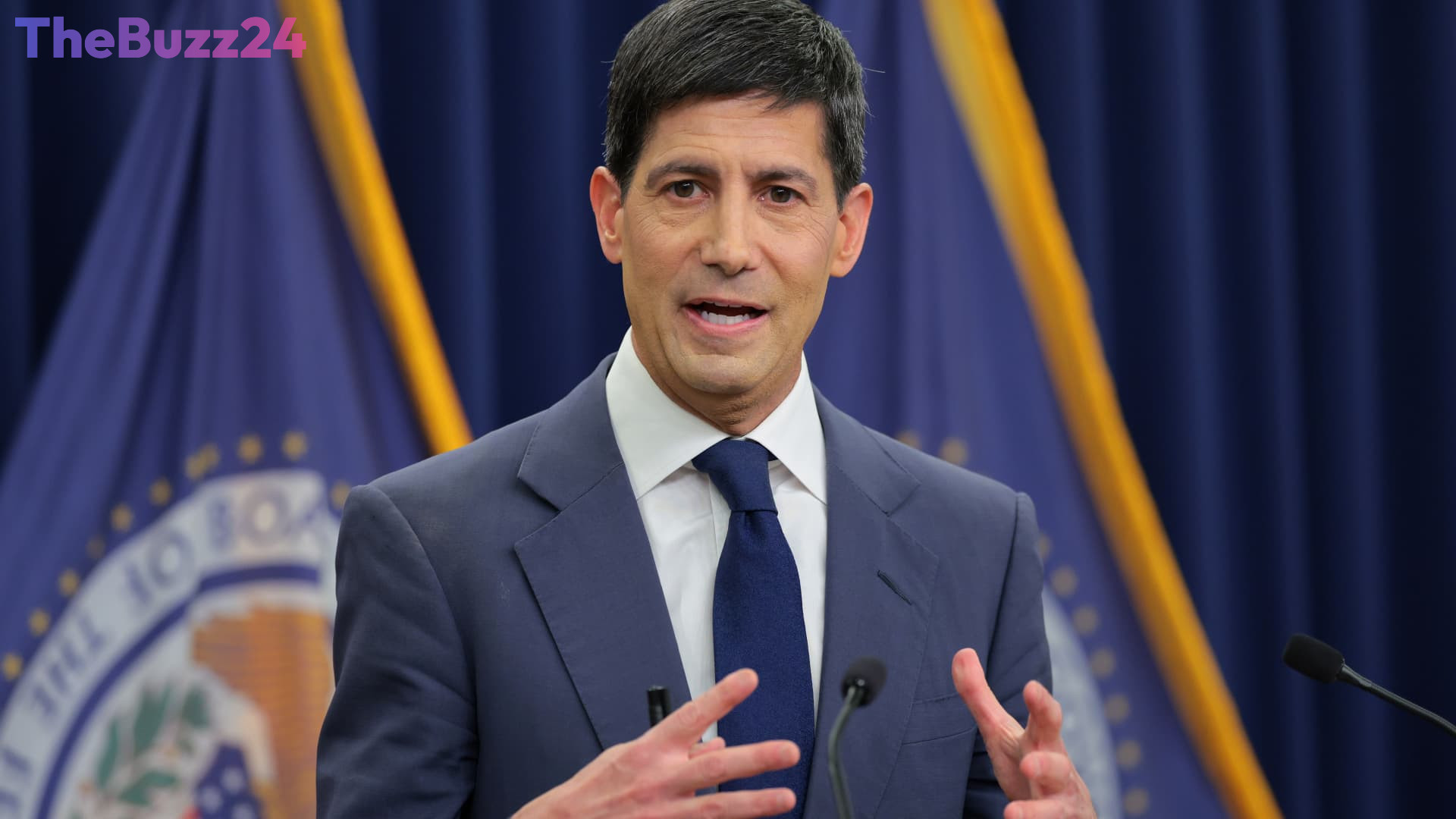
Federal Reserve Undergoes ‘Velvet Glove’ Overhaul: Warsh Initiates Sweeping Policy Review
Federal Reserve Chairman Kevin Warsh has initiated a significant, albeit quiet, transformation within the central bank, launching a series of task forces aimed at fundamentally re-evaluating the core principles and practices of U.S. monetary policy. This ambitious undertaking signals a departure from previous approaches, with a focus on examining every facet of policy setting and implementation.
Warsh’s strategy involves assembling five distinct task forces, drawing upon both internal Federal Reserve expertise and external specialists. These groups are charged with a comprehensive review, starting from “first principles” to question current methodologies, explore alternative strategies, and ultimately propose actionable steps for policymakers. The scope of their review is broad, encompassing the Fed’s communication strategies, the economic data it utilizes, its understanding of inflation and its drivers, the burgeoning impact of technologies like artificial intelligence, and the management of its substantial $6.7 trillion balance sheet, including potential strategies for its reduction.
This comprehensive examination marks one of the most extensive reviews of monetary policy in recent history. Warsh has emphasized that the goal is to foster a Federal Reserve that is “clear-eyed about its mission, fit for purpose, and focused on the future.” While Warsh previously advocated for significant “regime change” at the Fed, his current approach is characterized by a more collaborative and less confrontational tone, aiming to build consensus and foster a collegial atmosphere for implementing these far-reaching changes. This shift has been described by some observers as a “regime change, but in a velvet glove.”
Key Takeaways
- Federal Reserve Chairman Kevin Warsh has launched five task forces to conduct a comprehensive review of U.S. monetary policy.
- The review will examine areas including communication, economic data, inflation, AI's impact, and the Fed's balance sheet.
- Warsh's approach is described as a 'velvet glove' overhaul, focusing on consensus-building and a forward-looking strategy.
Editor’s Analysis & Impact
Kevin Warsh’s initiative represents a pivotal moment for the Federal Reserve, signaling a proactive effort to modernize its operational framework in response to evolving economic landscapes and technological advancements. By undertaking such a broad review, the Fed aims to enhance its clarity, effectiveness, and adaptability. The focus on AI and the balance sheet, in particular, highlights the central bank’s recognition of new challenges and tools. This strategic recalibration could lead to more nuanced policy decisions and improved communication with the public, potentially bolstering market confidence and economic stability. The success of this ‘velvet glove’ revolution will depend on the task forces’ ability to generate practical recommendations and the Fed’s willingness to implement meaningful changes.
Frequently Asked Questions
Q: What is the primary goal of the Federal Reserve's new task forces?
A: The primary goal is to conduct a comprehensive review of U.S. monetary policy, examining its foundational principles, current practices, and future direction. This includes evaluating communication strategies, data usage, inflation analysis, the impact of technology like AI, and the management of the Fed's balance sheet.
Q: How does Chairman Warsh's current approach differ from his previous stance?
A: While Warsh previously called for significant 'regime change' and cited a 'credibility deficit,' his current approach is characterized by a more collaborative and consensus-building strategy. He is using task forces to foster internal discussion and propose changes, a method described as a 'velvet glove' overhaul, contrasting with potentially more confrontational rhetoric.
Q: What specific areas of the Fed's operations are being reviewed?
A: The review covers a wide range of operations, including the Fed's communication methods (like post-meeting statements and press conferences), the economic data it uses, its framework for understanding inflation, the influence of artificial intelligence, and the size and composition of its $6.7 trillion balance sheet.
AI Disclosure: This article is based on verified data and official reports. Our Team and AI have cross-referenced every financial detail with primary sources to ensure total accuracy.
More from this Category