Ferrari’s Electric Gamble: Can the Luce Redefine the Prancing Horse?
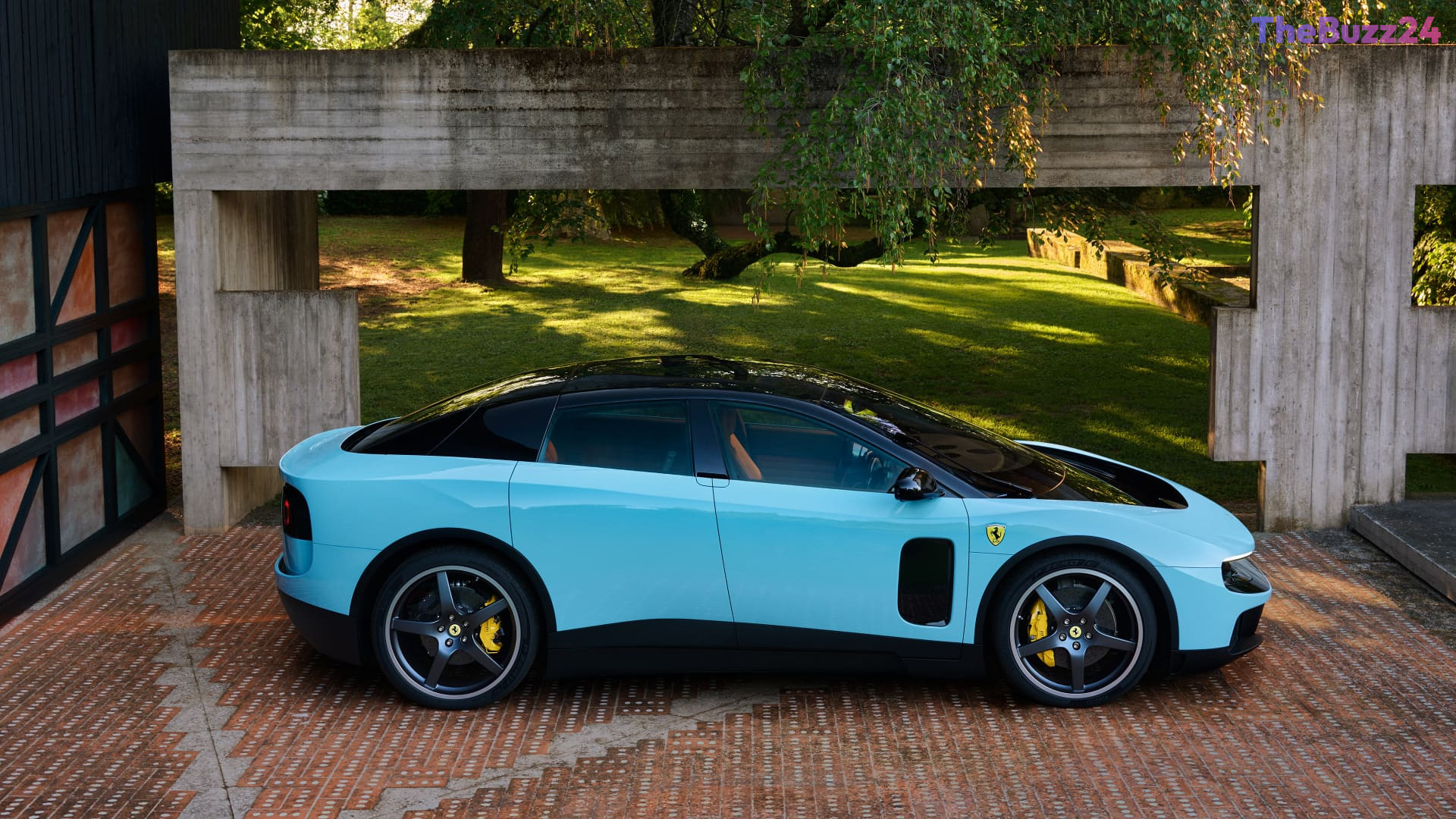
Ferrari has officially entered the electric vehicle market with the unveiling of the Luce, a high-performance, five-seater luxury car priced at 550,000 euros. The announcement triggered an immediate 8% drop in the company’s stock price, as investors expressed concern over the iconic Italian automaker moving away from its legendary internal combustion engine heritage. This strategic pivot marks a pivotal moment for the brand as it attempts to reconcile its racing pedigree with the global automotive industry’s shift toward electrification.
Despite the initial market turbulence, industry experts are drawing parallels to the 2022 introduction of the Purosangue. That model was initially met with intense skepticism for deviating from traditional design norms, yet it ultimately became a massive commercial success with demand far exceeding production capacity. The Luce features a distinct aerodynamic profile developed in partnership with LoveFrom, the design agency founded by former Apple design chief Jony Ive. This collaboration is intended to appeal to a new generation of luxury buyers, particularly within high-growth markets like China.
Not all feedback has been positive, however. High-profile figures, including former Ferrari chairman Luca di Montezemolo and Italian Transport Minister Matteo Salvini, have voiced concerns regarding the vehicle’s aesthetic choices and premium pricing. These critics argue that the design may struggle to resonate with purists who value the brand’s historical identity. Meanwhile, competitors such as Lamborghini and Bentley have adopted a more conservative approach, choosing to delay their own electric transitions to avoid alienating their ultra-wealthy clientele.
As the company gears up for the first customer deliveries in the fourth quarter, the focus remains on its Maranello manufacturing facility. While the Luce is a bold step forward, Ferrari maintains that its traditional combustion engine models will continue to serve as the primary driver of its financial performance for the near future. The long-term success of the Luce will ultimately hinge on whether the vehicle can deliver the visceral driving experience expected of a Ferrari, proving that the brand can innovate without sacrificing its soul.
Key Takeaways
- Ferrari’s stock dipped 8% following the reveal of the 550,000-euro electric Luce, reflecting investor uncertainty.
- The vehicle features a unique design developed in collaboration with Jony Ive’s agency, LoveFrom, targeting new luxury demographics.
- Despite the electric shift, Ferrari plans to keep its combustion engine lineup as the core of its financial strategy for the foreseeable future.
Editor’s Analysis & Impact
The launch of the Luce represents a high-stakes evolution for Ferrari. By entering the EV space, the company is attempting to future-proof its portfolio against tightening global emissions regulations while maintaining its status as a pinnacle of luxury. The market’s negative reaction is typical for heritage brands undergoing radical shifts; however, Ferrari’s history of successfully expanding its lineup—such as with the Purosangue—suggests that brand loyalty is more resilient than analysts often predict. The collaboration with Jony Ive is a calculated move to signal that the Luce is a design-forward product rather than just a battery-powered utility vehicle. If Ferrari can successfully marry high-voltage performance with the emotional resonance of its traditional engines, it will likely set the standard for how ultra-luxury marques survive the transition to electric mobility.
Frequently Asked Questions
Q: How much does the new Ferrari Luce cost?
A: The Ferrari Luce is priced at approximately 550,000 euros.
Q: Who helped design the Ferrari Luce?
A: The aerodynamic design of the Luce was crafted in collaboration with LoveFrom, the design agency founded by former Apple design chief Jony Ive.
Q: When will the first Ferrari Luce vehicles be delivered to customers?
A: Customer deliveries for the Luce are scheduled to begin in the fourth quarter.
AI Disclosure: This article is based on verified data and official reports. Our Team and AI have cross-referenced every financial detail with primary sources to ensure total accuracy.
More from this Category