France Faces Dual Crisis: Escalating Civil Unrest and Soaring Borrowing Costs
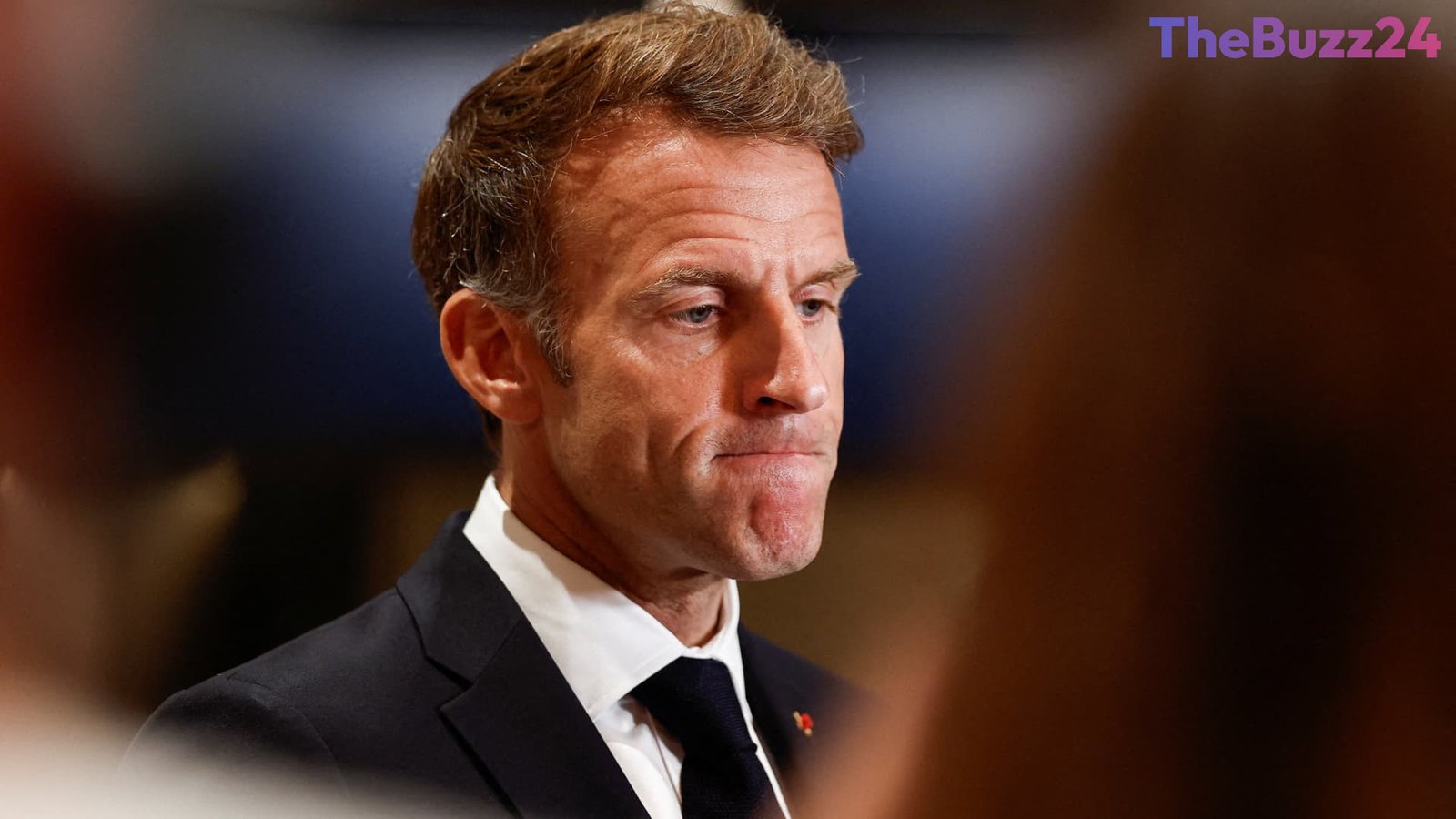
French President Emmanuel Macron has publicly condemned international interference regarding the recent wave of civil unrest sweeping across France. Describing comments from various foreign leaders as both “unacceptable” and “stupid,” Macron accused political figures of exploiting the nation’s domestic turmoil for their own partisan agendas. The criticism follows a series of inflammatory remarks from U.S. political figures and officials from other nations, who have attempted to draw parallels between French rioting and their own domestic policy debates.
Beyond the political rhetoric, the situation on the ground remains volatile. Following widespread looting, arson, and mass demonstrations centered on the cost of living and public services, student unions and activist groups like the “Yellow Vests” have scheduled further rallies. In response to the persistent threat of violence, the French government has authorized the deployment of military forces to assist in maintaining public order, while the Interior Ministry continues to trade barbs with international agencies over comparative social statistics.
The social instability is now manifesting as a significant fiscal crisis. On Thursday, the yield on 10-year French government bonds climbed to a 24-year high of 5.113%, marking a rare moment where French borrowing costs exceeded those of U.S. Treasuries. Investors are increasingly wary of the government’s ability to manage its deficit, particularly as the administration struggles to secure a parliamentary majority for its 2027 budget. With Morningstar estimating insured losses from the unrest at over 1.2 billion euros, the combination of political gridlock and economic pressure has created a precarious outlook for the French economy.
Key Takeaways
- President Macron has denounced foreign commentary on French protests as opportunistic and inaccurate.
- French government bond yields have reached a 24-year high, signaling deep investor anxiety over the nation's fiscal stability.
- Insured losses from recent rioting and looting are estimated to exceed 1.2 billion euros, further straining the national economy.
Editor’s Analysis & Impact
The convergence of civil unrest and fiscal volatility in France represents a critical inflection point for the Eurozone. The fact that French 10-year bond yields have surpassed U.S. Treasuries underscores a profound loss of investor confidence in the government’s ability to implement necessary fiscal consolidation. If the administration is forced to rely on special constitutional powers to pass its budget, it risks further alienating the public, potentially fueling a cycle of protests that could depress GDP growth even further. Looking ahead, the European Central Bank may face pressure to intervene if the spread between French and German debt continues to widen. The broader implication is a potential shift in European political stability, where domestic social grievances are increasingly weaponized by international actors, complicating the path toward economic recovery and long-term fiscal sustainability.
Frequently Asked Questions
Q: Why are French bond yields rising?
A: Bond yields are rising due to investor skepticism regarding France's ability to manage its high deficit-to-GDP ratio and the political uncertainty surrounding the 2027 budget.
Q: What is the estimated economic cost of the recent protests in France?
A: Morningstar has estimated that insured losses from the recent unrest, including damage to commercial and public buildings, could reach up to 1.2 billion euros.
AI Disclosure: This article is based on verified data and official reports. Our Team and AI have cross-referenced every financial detail with primary sources to ensure total accuracy.
More from this Category