French UN Peacekeeper Killed in Targeted Southern Lebanon Ambush
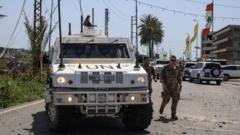
A French peacekeeper serving with the United Nations Interim Force in Lebanon (UNIFIL) was killed and three others were wounded during a deliberate ambush in southern Lebanon. The patrol, which was tasked with clearing explosive ordnance to reconnect isolated UN positions near the village of Ghanduriyah, came under intense, close-range small-arms fire. Despite immediate medical intervention by fellow soldiers, one peacekeeper succumbed to his injuries, while two others remain in serious condition.
French President Emmanuel Macron has publicly identified Hezbollah as the party responsible for the attack. While the Iran-backed militant group has denied the allegations, labeling them as premature and unfounded, the incident has significantly heightened diplomatic friction. The attack occurred shortly after a U.S.-brokered 10-day ceasefire between Israel and Lebanon was implemented on April 16, casting doubt on the stability of the current security environment.
Lebanese leadership, including President Joseph Aoun and Prime Minister Nawaf Salam, have condemned the violence and pledged a full investigation to bring the perpetrators to justice. UNIFIL officials have characterized the assault as a deliberate violation of international humanitarian law. This tragedy follows a series of fatal incidents involving peacekeepers in the region, including the deaths of three Indonesian personnel in late March, highlighting the extreme risks faced by international forces operating along the Blue Line.
Key Takeaways
- A French UNIFIL peacekeeper was killed and three others injured in a targeted ambush in southern Lebanon.
- French President Emmanuel Macron blamed Hezbollah for the attack, though the group has denied involvement.
- The incident occurred despite a recently established U.S.-brokered ceasefire, raising concerns about the safety of international peacekeeping missions.
Editor’s Analysis & Impact
The killing of a French peacekeeper in southern Lebanon represents a significant escalation in the volatility of the region, threatening to undermine the fragile U.S.-brokered ceasefire. From a geopolitical perspective, the direct accusation by President Macron against Hezbollah signals a hardening of France’s diplomatic stance, which could lead to increased pressure on the Lebanese government to exert control over non-state actors. The recurring nature of these attacks on UNIFIL personnel suggests that the mission’s mandate is becoming increasingly untenable without a more robust security framework. If the international community cannot guarantee the safety of its peacekeepers, the potential for a complete withdrawal or a shift toward more aggressive military posturing by involved nations remains a high-risk possibility, further destabilizing the already precarious border region between Lebanon and Israel.
Frequently Asked Questions
Q: What is the primary mission of UNIFIL in Lebanon?
A: UNIFIL was established in 1978 to monitor the ceasefire along the Blue Line, the de facto border between Lebanon and Israel, and to assist the Lebanese government in restoring its authority in the area.
Q: Are attacks on UN peacekeepers considered war crimes?
A: Yes, UNIFIL has stated that deliberate attacks on its personnel constitute grave violations of international humanitarian law and may be classified as war crimes.
AI Disclosure: This article is based on verified data and official reports. Our Team and AI have cross-referenced every financial detail with primary sources to ensure total accuracy.
More from this Category