From Damascus to Moscow: Tracing Assad’s Feared Spy Chief, Hussam Luka
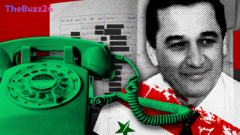
In the aftermath of Bashar al-Assad’s overthrow in December 2024, an abandoned luxury apartment in Damascus offered a glimpse into the life of one of his most feared operatives. Amidst designer clothes and documents, investigators discovered numerous photographs of a slender man, often seen with Assad himself. Gold medals and gilded certificates identified him as Hussam Luka, known ominously as “The Spider,” a top henchman accused of orchestrating atrocities and systematic torture, and sanctioned by the UK, US, and EU.
Luka, who headed Syria’s powerful civilian intelligence agency, the General Security Directorate (GSD), vanished overnight with Assad’s fall, leaving a trail of unanswered questions and a fervent demand for justice. Among the items found in his opulent apartment was an unassuming notebook containing dozens of names and phone numbers, ranging from local shopkeepers to military officials. This discovery sparked an extensive investigation, aiming to uncover Luka’s whereabouts and shed light on his alleged crimes. Early leads pointed to his notorious past in Homs, where, as a local head of the Political Security Directorate during the civil war, he was tasked with reclaiming the city from rebels. Residents recounted how Luka’s phone number was once spray-painted on walls, offering safe passage to some, while others who called were never seen again. His alleged involvement in the 2015 Eid Massacre, which claimed 28 lives including 17 children, solidified his reputation for brutality and earned him a promotion within the regime.
The journalistic inquiry meticulously pursued the contacts found in Luka’s phone book. Initial attempts to reach individuals listed, including military commanders and relatives, proved fruitless, with calls either unanswered or met with denials of association. A reporter, whose name had previously been on a GSD wanted list under Luka’s tenure, traveled to Syria, booking medical appointments with doctors listed in the book. While one doctor reluctantly confirmed treating Luka, another, who had accompanied Luka’s mother on a trip to Russia, vaguely directed the investigation to a pharmacy owned by Luka’s daughter, who had also disappeared.
The breakthrough came months later when a former guard for Luka’s apartment building provided a number for Luka’s personal bodyguard, Mahmoud. Mahmoud, angered by Luka’s sudden disappearance with a large sum of money, revealed that Luka had fled Damascus as rebels advanced. He then provided a number for Luka’s driver, who was believed to have driven the spy chief out of the capital. Further investigation, including a tip from a senior Lebanese government source, suggested Luka had passed through Lebanon on a Russian passport under a different name before flying to Russia. This was corroborated by the discovery of a Russian country code on a new number for Luka, provided by a contact also wanted by the new Syrian government. Awards from Russia’s foreign spy service and a New Year’s card from a senior Russian official found in Luka’s apartment further underscored his strong ties to Moscow.
With a Russian number in hand, investigators verified Luka’s identity by having a contact ask him specific questions only he would know. Luka, sounding anxious, confirmed his location in Russia but refused to speak directly, citing risks and an inability to explain. A second Syrian-registered number linked to his social media accounts allowed investigators to pinpoint his location to two suburban areas on the outskirts of Moscow. Attempts to confront him with the allegations via phone and WhatsApp were met with immediate hang-ups and no replies. Luka’s presence in Russia, a key backer of the Assad regime, presents a significant hurdle for those seeking justice, as Russia is highly unlikely to extradite former regime officials. For victims like Mohammed Towakatli, whose seven-year-old son Wael was killed in the Eid Massacre, the hope for accountability remains, despite the formidable challenges.
Key Takeaways
- Hussam Luka, a top Syrian spy chief known as "The Spider" and accused of atrocities, was traced to suburban Moscow after fleeing Syria following Assad's fall.
- The investigation utilized a phone book found in Luka's abandoned Damascus apartment, leading to a complex trail of contacts and ultimately a Russian phone number.
- Despite being located, Luka refused to speak about the allegations, and his presence in Russia makes extradition for justice highly improbable due to Russia's support for the Assad regime.
Editor’s Analysis & Impact
The tracing of Hussam Luka to Russia highlights the profound challenges in achieving international justice for alleged war criminals, particularly when powerful states offer sanctuary. This development underscores Russia’s continued role in shielding figures associated with the Assad regime, effectively creating a safe haven from accountability. For victims and human rights advocates, this news is a significant setback, reinforcing the perception that high-ranking officials can evade justice through political protection. The broader implications point to the limitations of international legal frameworks in the face of geopolitical realities, potentially emboldening other authoritarian regimes. Future outlooks suggest that without a dramatic shift in international relations or Russian policy, figures like Luka will likely remain beyond the reach of justice, perpetuating cycles of impunity and hindering reconciliation efforts in post-conflict regions.
Frequently Asked Questions
Q: Who is Hussam Luka and what are the accusations against him?
A: Hussam Luka, known as "The Spider," was a top Syrian spy chief who headed the General Security Directorate (GSD) under Bashar al-Assad. He is accused of orchestrating atrocities, systematic torture, and involvement in massacres, including the 2015 Eid Massacre in Homs. He is sanctioned by the UK, US, and EU.
Q: How was Hussam Luka located?
A: Luka was located through an extensive journalistic investigation that began with a phone book found in his abandoned Damascus apartment. This led to a network of contacts, including a former bodyguard and a driver, and eventually to a Russian phone number, confirming his presence in suburban Moscow.
Q: What are the implications of Luka being in Russia?
A: Luka's presence in Russia, a key ally of the Assad regime, makes his extradition for justice highly improbable. This situation highlights the difficulties in holding alleged war criminals accountable when they are protected by powerful states, posing a significant challenge for international justice and victims seeking redress.
AI Disclosure: This article is based on verified data and official reports. Our Team and AI have cross-referenced every financial detail with primary sources to ensure total accuracy.
More from this Category