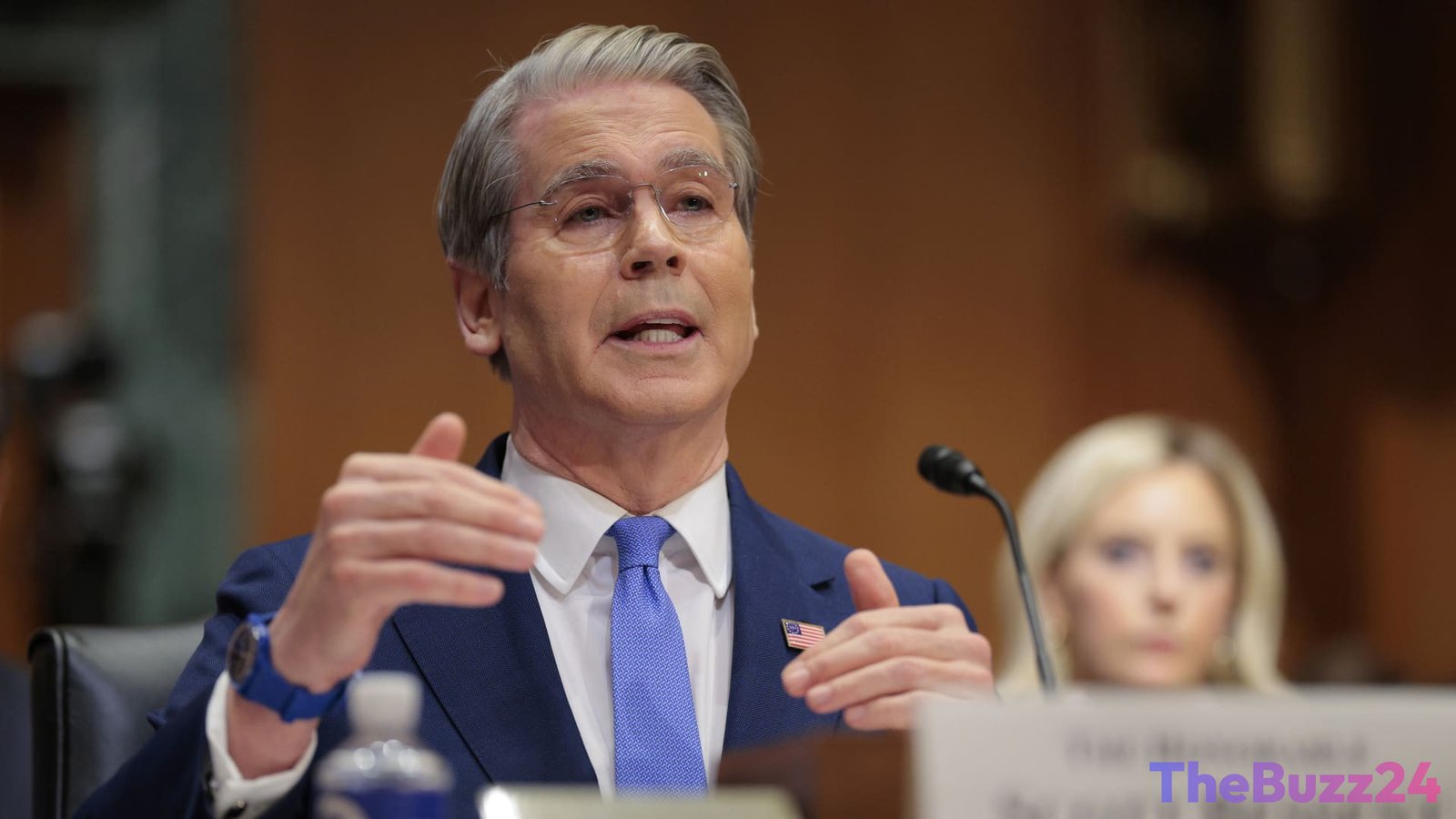
G20 Finance Summit Tests U.S. Economic Diplomacy Amid Surging Tariffs and Fiscal Pressures
Finance ministers and central bank governors from the Group of 20 major economies are gathering in Asheville, North Carolina, for high-stakes meetings hosted by U.S. Treasury Secretary Scott Bessent. The summit places U.S. economic priorities at center stage as Washington urges global counterparts to tackle persistent trade imbalances, sever business ties with Iran, and revitalize economic growth through deregulation and energy expansion. However, the talks occur against a backdrop of deep international friction stemming from newly imposed U.S. tariffs and ongoing disruptions to global commodity flows.
The broader economic atmosphere remains strained by geopolitical flashpoints, particularly the conflict involving Iran and the sustained closure of the Strait of Hormuz, which has driven up energy prices worldwide. Washington has intensified pressure on allies and trading partners by threatening secondary sanctions against institutions facilitating transactions with Tehran, recently penalizing an Egyptian-based financial institution. In response, several G20 delegates are expected to push back against Washington’s focus on sanctions, demanding direct discussions on the economic fallout of expanding U.S. import levies instead.
Trade frictions are further compounded by disputes over industrial overcapacity and export surges. While the United States has introduced renewed tariff measures affecting dozens of trading partners, European leaders are simultaneously expressing alarm over a flood of subsidized Chinese exports entering their markets, especially in automotive and technology sectors. Despite calls from Western economies for Beijing to stimulate domestic consumer spending, structural trade imbalances between major manufacturing hubs and consumer nations continue to widen.
Simultaneously, international delegates are seeking clarity on the trajectory of U.S. fiscal policy after total national debt surpassed the $40 trillion threshold. With long-term Treasury yields reaching multi-decade highs, the Treasury’s unprecedented intervention in bond buybacks has raised debate among central bankers regarding market stability. As the summit progresses, finding common ground on fiscal discipline, supply chain security, and geopolitical policy remains a formidable challenge for global policymakers.
Key Takeaways
- Treasury Secretary Scott Bessent hosts G20 finance leaders in North Carolina to press for reduced trade imbalances and stricter sanctions enforcement on Iran.
- International counterparts remain concerned over expanding U.S. tariffs and surging global energy prices linked to Middle East conflict.
- Mounting U.S. public debt past $40 trillion and elevated Treasury yields have sparked debate over bond market stability and government intervention.
Editor’s Analysis & Impact
The Asheville G20 summit underscores the growing fragmentation within international economic governance. The U.S. administration is attempting to leverage its domestic market size to mandate alignment on geopolitical sanctions and trade reciprocity, but this approach risks alienating key trading partners facing their own domestic economic hurdles. Surging U.S. sovereign debt and active Treasury intervention in bond markets challenge traditional notions of hands-off fiscal management, raising alarms among global reserve holders. Concurrently, European and Asian economies are caught between U.S. protectionist measures and Chinese export dominance. Moving forward, the lack of consensus among the G20 could accelerate regional bilateral pacts, weaken multilateral policy coordination, and maintain sustained volatility across foreign exchange and sovereign debt markets.
Frequently Asked Questions
Q: What is the primary agenda of the U.S. at the Asheville G20 summit?
A: The U.S. Treasury aims to focus discussions on reducing global trade imbalances, strengthening enforcement of secondary sanctions on Iran, and encouraging growth through market deregulation and private sector investment.
Q: Why are international delegates concerned about U.S. fiscal policy?
A: Total U.S. public debt has surpassed $40 trillion, and yields on long-term government bonds have hit near two-decade highs, raising questions about bond market volatility and recent Treasury debt buyback operations.
Q: How are trade tensions affecting European G20 members?
A: European nations are grappling with both new U.S. import tariffs and an influx of redirected Chinese exports, including electric vehicles and semiconductors, creating competitive pressures on domestic industries.
AI Disclosure: This article is based on verified data and official reports. Our Team and AI have cross-referenced every financial detail with primary sources to ensure total accuracy.
More from this Category